test
asdasd
Explore five anime endings that continue to divide fans, analyzing their emotional impact and narrative outcomes.
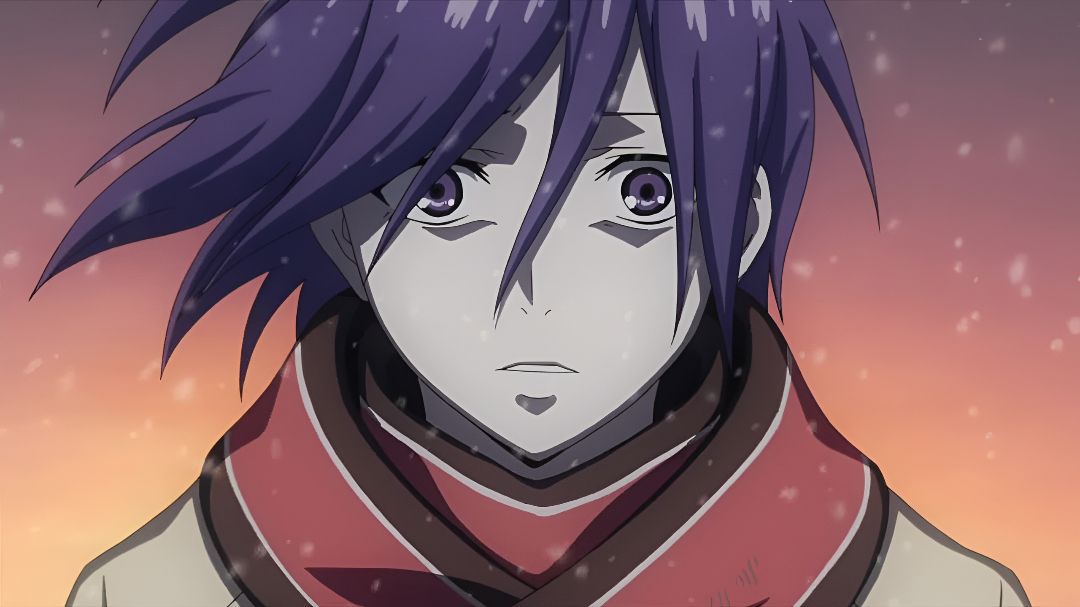
In simple terms, some anime endings leave fans polarized, leading to fervent discussions long after the credits roll. The following five series exemplify the challenges of closing a complex narrative, delivering conclusions that vary widely in reception. This breakdown will analyze why these particular anime endings, from the abrupt to the controversial, remain hot debate topics within the anime community.
What happened is that Erased, which follows Satoru as he uses time travel to avert tragedies, ends on a note that felt rushed. Although the series beautifully explores nostalgia and second chances, its conclusion attempts to condense several impactful chapters into a single episode. This leads to a lack of depth during Satoru’s key confrontation with Gaku Yashiro, leaving viewers feeling deprived of the emotional weight that could have enriched the climax. The sentiment is that while Erased maintains an emotional core, the ending sacrifices context and character motivations for a hasty resolution.
When it comes to Attack on Titan, the anime adaptation diverges from its source material’s extended ending, especially regarding Eren Yeager's characterization. Fans are split on whether the anime's drastic changes to Eren's motivations enhance or undermine the overall narrative. The manga's conclusion is more coherent, adding depth to Eren's actions, while the anime leaves viewers grappling with a narrative that feels disjointed due to abrupt revelations and rushed plot points. This alteration throws the previous character arcs into disarray, making the ending appear hollow for many.
Darling in the Franxx encapsulates the struggle of balancing thematic weight with execution. The ending features a bittersweet resolution where the main characters Hiro and Zero Two sacrifice themselves, reincarnating in a rebuilt Earth. While some viewers appreciate the emotional closure regarding fate and eternal love, others argue that this conclusion feels jarring and unearned. The need to rush through essential story beats dilutes the emotional tether that could have grounded their journey, leaving fans questioning the emotional stakes at play. This debate exposes a broader disagreement about required closures in narratives that hinge on character depth and development.
In Tokyo Ghoul: Root A, the ending opts for an ambiguous climax that fractures character arcs and fails to offer resolution. Kaneki Ken’s journey diverges from Sui Ishida’s manga, leading to a tragic and haunting final moment that presents more confusion than catharsis. The lack of a satisfying payoff frustrates viewers, especially in the context of Kaneki’s struggles and relationships. This divergence leaves audiences divided over the anime's choices and the effectiveness of its emotional closure, reigniting debates on how adaptations should handle source material.
Lastly, School Days dives into shock value with its dark conclusion, where Makoto's life ends violently at the hands of his love interests. The anime's decision to deliver such a shocking twist raises questions about the handling of character development and motivations. Some fans see this as a necessary consequence for the toxic narrative presented throughout the series, while others criticize it for resorting to gratuitous violence without sufficient character grounding. The division illustrates the intricate balance between narrative effectiveness and viewer satisfaction, particularly in the realm of dark themes and psychological horror.
To continue exploring the intricacies of anime endings, consider checking out these related articles:
These debated anime endings illustrate the challenges creators face in wrapping up complex narratives effectively. While fans may relish the rich discussions surrounding these conclusions, the dissatisfaction also serves as a reminder of the fine line between ambition and execution in storytelling. Fans remain divided, but the dialogues fuel an enduring appreciation for the nuances of anime as a medium. As opinions vary from acceptance to frustration, the ultimate takeaway is the continuing engagement these endings inspire among fans, with unresolved debates likely to persist for years to come.
Story breakdown
EpisodeBreakdown may use automated tools to assist research, drafting, and formatting. Published pages are governed by our editorial and corrections policies, and source links are shown when they are available in the article record.
Discovery source: Polygon Entertainment. The source identifies where the topic was discovered; EpisodeBreakdown is responsible for the commentary published on this page.
Reader response
Reactions and poll results are based on real reader responses. No account is required.


