test
asdasd
Exploring once-beloved cartoons that, over time, lost their charm and appeal, detailing their rise and fall.
Animation has been a vibrant storytelling medium, captivating audiences of all ages. However, some cartoons, initially adored for their creativity and humor, have overstayed their welcome. This article discusses five such shows that, while once great, ultimately declined in quality and appeal over the years.
From unexpected shifts in narrative focus to character degradation, we'll delve into how these classic cartoons transitioned from charming staples of children’s entertainment to shows that failed to capture the same magic, leading to viewer fatigue.
Cartoons often find their footing through clever storytelling, relatable characters, and engaging animation. The shows discussed in this article started with innovative premises that resonated with audiences but suffered severe narrative fatigue or creative stagnation.
Take Adventure Time, for instance. It originally showcased an imaginative universe filled with quirky characters and meaningful adventures. Yet as the series progressed, the balance between depth and comedy began to fade.
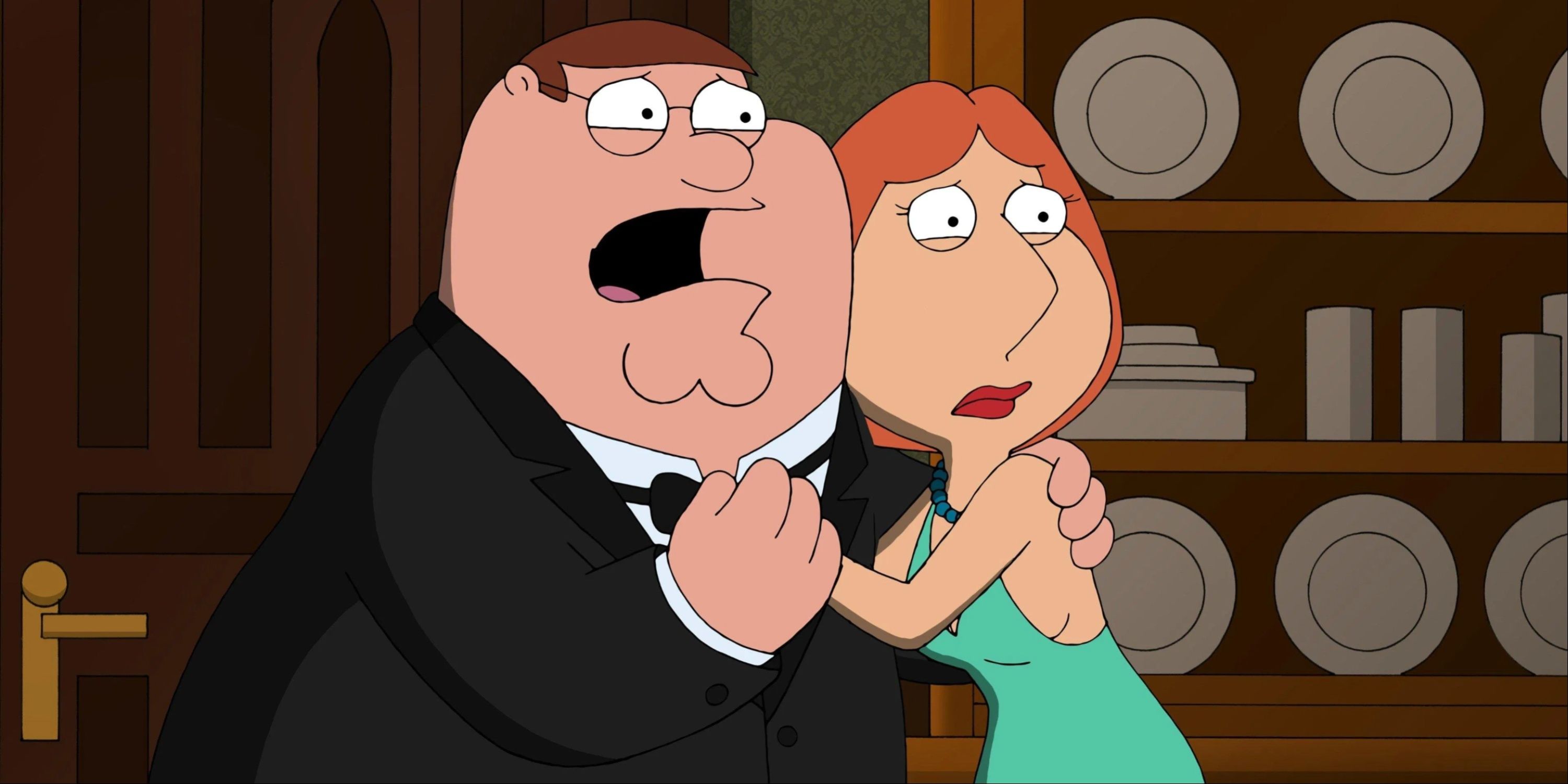
Another example is Family Guy, which drew viewers in with its unique blend of cutaway gags and social commentary. However, many fans argue that the show's reliance on shock humor and repetitive plots ultimately led to a decline in quality.
The comic landscape has changed, with newer shows emerging that better resonate with contemporaneous cultural issues, leaving these long-running series behind. The question then becomes: what went wrong?
Each of these shows boasted memorable characters that initially contributed to their success.
Adventure Time: Finn the Human and Jake the Dog epitomized friendship and adventure, while Princess Bubblegum added depth. As the show evolved, side characters were often sidelined or given inconsistent arcs.
Family Guy: Peter Griffin, Lois Griffin, and Stewie Griffin had become iconic, with Stewie's villainous yet humorous persona capturing fans' hearts. However, as storylines recycled and gags became predictable, the characters often felt two-dimensional or out of sync with their original portrayals.
The Simpsons: Homer, Marge, Bart, Lisa, and Maggie became staples of American culture. Viewers cherished their family dynamics, but as seasons dragged on, character development grew stale or contradictory, frustrating long-time fans.
While details surrounding the latest episodes of these shows vary due to their ongoing nature, it’s evident that many of them have lost coherent narrative structures. For instance, in The Simpsons, recent episodes have had convoluted plots that detract from the show's original satire on societal issues. Many dedicated fans have found the series less relatable, as it tries to navigate contemporary topics but often misses the mark.
As for Adventure Time, the series concluded in a way that was visually stunning yet left fans divided about the resolutions of their beloved characters, making it tough to recall the charm present in earlier seasons.
With many of these series still in production or able to produce spinoffs, there remains an air of uncertainty about their futures. {Based on available public metadata}, Family Guy and The Simpsons could either choose to reboot or reinvigorate their narrative styles, perhaps by embracing a more coherent story arc or introducing new characters to refresh the format. Another option may involve revisiting their roots, focusing on character-driven plots that resonate more deeply with long-time viewers.
In the case of Adventure Time, the potential for future projects exists, but there’s a concern regarding whether they can truly capture the heart of what first made the show exceptional. A creatively reinvigorated sequel or spinoff could see beloved characters return, engaging fans anew while showcasing growth and evolution.
The idea of beloved cartoons overstaying their welcome resonates strongly within pop culture discussions today. Fans grapple with feelings of nostalgia mixed with disappointment as they watch once-great series degrade. This phenomenon reflects broader trends in entertainment where many series are often extended beyond their prime to maximize on initial successes, leading to discussions about the importance of narrative closure and the need for creative evolution.
Social media platforms have been rife with debates as fans express their frustrations and reminisce about the golden days of their favorite animations. Online forums are buzzing with theories about how these series could reclaim their former glory or if they should have ended sooner.
While experiencing a decline in quality, these once-great cartoons have shaped the landscape of animated storytelling and remain treasured by many. Their journeys remind us of the complexity of creativity and the challenges of sustaining excellence over time. As viewers, we navigate a spectrum of emotions watching characters we grew up with evolve—or falter. The hope is that creators will take these experiences into account and aim for renewed innovation, preventing beloved shows from falling into the trap of overstaying their welcome.
In summary, it’s a bittersweet exploration of animation history—a reminder that even the most iconic shows can struggle to maintain the magic that captured our hearts in the first place.
Story breakdown
EpisodeBreakdown may use automated tools to assist research, drafting, and formatting. Published pages are governed by our editorial and corrections policies, and source links are shown when they are available in the article record.
Discovery source: CBR TV. The source identifies where the topic was discovered; EpisodeBreakdown is responsible for the commentary published on this page.
Reader response
Reactions and poll results are based on real reader responses. No account is required.