test
asdasd
Exploring the Akatsuki members from 'Naruto' who had the potential for heroism, we dive into their backstories and motivations that could have led them down a different path.
Explore the franchise
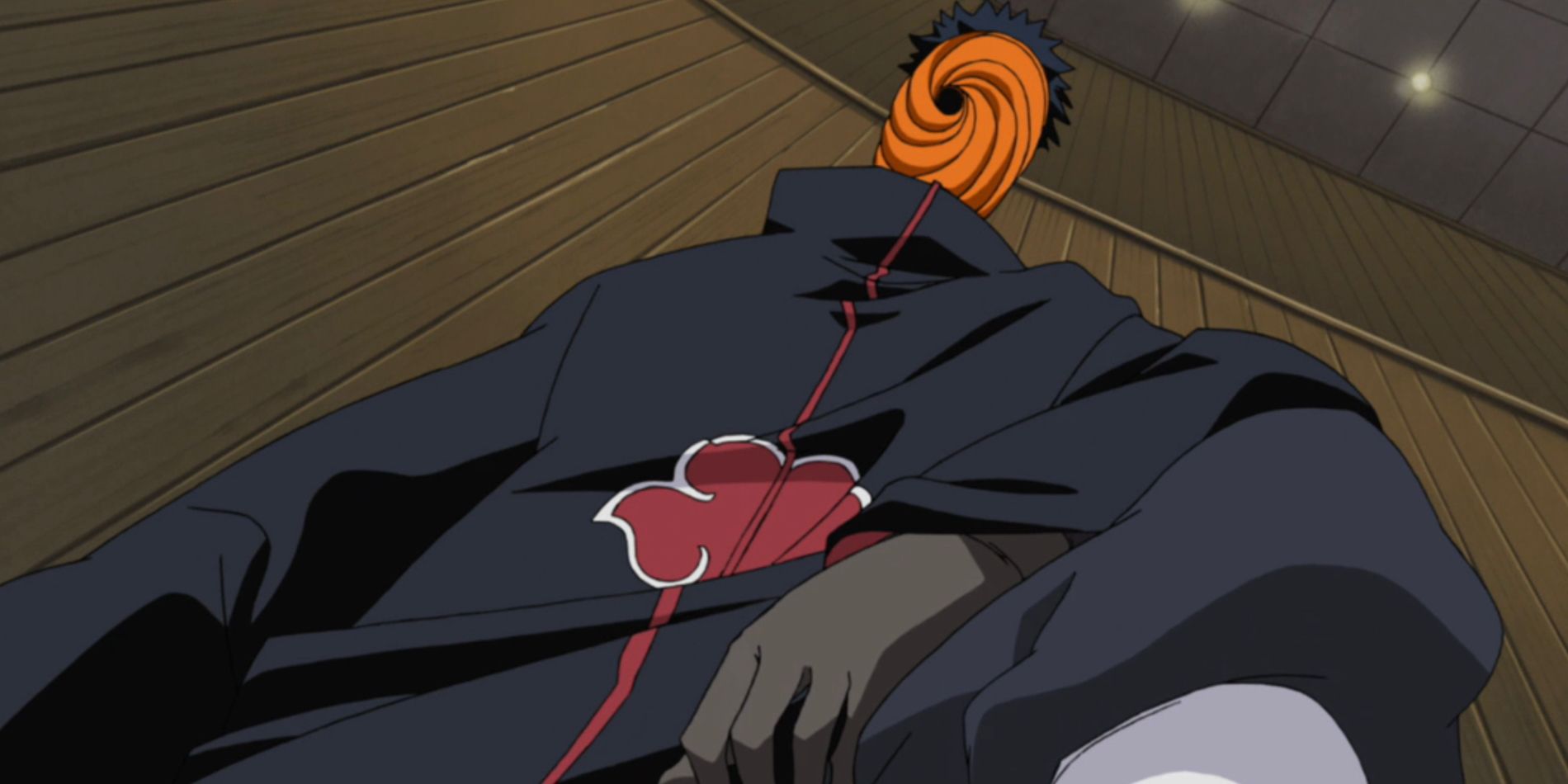
The Akatsuki, a notorious organization in the world of "Naruto," is primarily known for its role as antagonists. However, a closer examination of its members reveals complex backstories and motivations that hint at heroism lurking beneath their villainous exteriors. In this article, we’ll explore six Akatsuki members who, under different circumstances, could have been heroes instead of villains.
This breakdown highlights the potential for heroism in six members of the Akatsuki, exploring their origins and motivations that might have led them to fight for justice rather than chaos. Through analyzing their character arcs and decisions, we delve into what could have been if fate had been kinder.
Ninja villages in the world of "Naruto" often face turmoil, leading to the formation of rebel factions like the Akatsuki. Initially established to seek peace, the Akatsuki’s mission gradually twisted into seeking absolute power and domination. Characterized by their iconic red clouds on black cloaks, the Akatsuki consists of powerful shinobi each with unique abilities and tragic backgrounds. Their descent into villainy can be traced to painful pasts, lost loved ones, and a drive to change the world. Understanding their motivations aids in deciphering how easily these characters could have emerged as true heroes instead.
Itachi Uchiha stands out as a pivotal member of the Akatsuki. His seemingly deceitful actions were rooted in a tragic choice: he annihilated his own clan to prevent a potential coup that could lead to war. This level of sacrifice, fueled by a desire to protect the village he loved, strongly underscores the hero within him. Given different circumstances, Itachi could have been celebrated as a protector of peace rather than a reviled villain.
Nagato, known as Pain, is another tragic figure. Driven by the pain of losing his friends and experiencing war, he initially sought to end the cycle of suffering through extreme measures. His philosophy on peace, born from personal loss, showcases the depths of his pain. A shift in his methodology could have transformed him into a hero who advocated for understanding and reconciliation rather than domination.
Konan, the sole female member of the original Akatsuki, possesses the ability to manipulate paper into complex and lethal forms. Having lost her childhood friends during the tumult of war, she has a powerful motive for seeking peace. Her potential for heroism lies in her vision of a world free of conflict, which could have flourished if she had chosen to build rather than destroy alongside her colleagues.
Deidara, the explosive artist, once believed in the beauty of art, stating that it must be experienced in its most ephemeral moments. His motivations were deeply artistic and philosophical rather than evil. If he had directed his talents towards promoting peace through creation, Deidara could have become a hero championing the aesthetic and transformative power of art.
Hidan’s twisted sense of immortality and religious fervor led him down a path of violence. However, his beliefs in fate and the concept of living forever could have inspired him to fight for causes with a more altruistic purpose. A hero who wielded power to protect life rather than take it could have emerged from his complex psyche.
Sasori, a master puppeteer, sought to transcend the limitations of human life through puppetry. His quest for immortality stems from a desire to escape the pains of human relationships. If he had harnessed his talents for substantial change rather than manipulation for destruction, Sasori could have forged a path centered around innovation and protection rather than terror.
Based on available public metadata, the latest discussions around the Akatsuki focus on their motivations and the implications of their choices throughout the series. While the end of the original "Naruto" series wrapped up many character arcs, the debates about their potential for heroism continue to ignite fan discussions and theories. Reflecting on their complexities allows for richer engagement with the overarching narrative of reconciliation and understanding in the shinobi world.
Narrative explorations of the Akatsuki members’ stories could lead to exciting developments. Spin-off tales, focusing on alternate timelines where these characters became heroes, would not only enrich the lore but also provide commentary on choice and fate. Expanding on their backstories through additional media, like novels or animated shorts, might shed light on paths not taken, illustrating that heroism can often lie on the razor’s edge of choice.
The discussion surrounding the Akatsuki’s potential for heroism has gained traction due to ongoing fan engagement in the "Naruto" community. With the rise of new content related to the franchise—including remakes, games, and discussions on social media—fans are revisiting these complex characters to analyze what could have been. This exploration not only enhances appreciation for the source material but also allows for broader discussions on morality within storytelling.
The Akatsuki is one of anime’s most compelling groups of characters, primarily due to the depth of their motivations and the tragedy that shapes them. By pondering the potential for heroism in figures often cast as villains, fans are encouraged to view the narrative through a lens of empathy and understanding. The possibility that these characters, with their immense power and tragic backgrounds, could have chosen different paths makes their stories resonate even more strongly within the rich tapestry of the "Naruto" universe. As discussions flourish, the legacy of the Akatsuki continues to evolve, proving that heroism and villainy often exist in shades of gray.
Story breakdown
EpisodeBreakdown may use automated tools to assist research, drafting, and formatting. Published pages are governed by our editorial and corrections policies, and source links are shown when they are available in the article record.
Discovery source: CBR Anime. The source identifies where the topic was discovered; EpisodeBreakdown is responsible for the commentary published on this page.
Reader response
Reactions and poll results are based on real reader responses. No account is required.