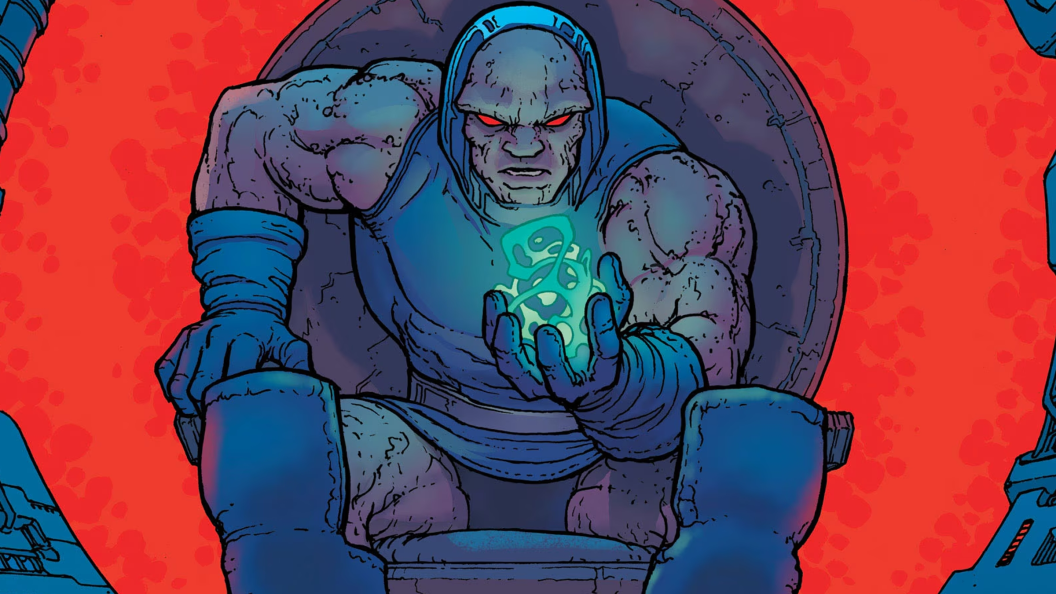
Darkseid: A Villain That Marvel Could Better Utilize
David Harth argues that Darkseid, a leading villain from DC Comics, would make a compelling addition to the Marvel Universe.
Marvel's Fantastic Four debuted 65 years ago today, transforming comics forever.
Explore the franchise
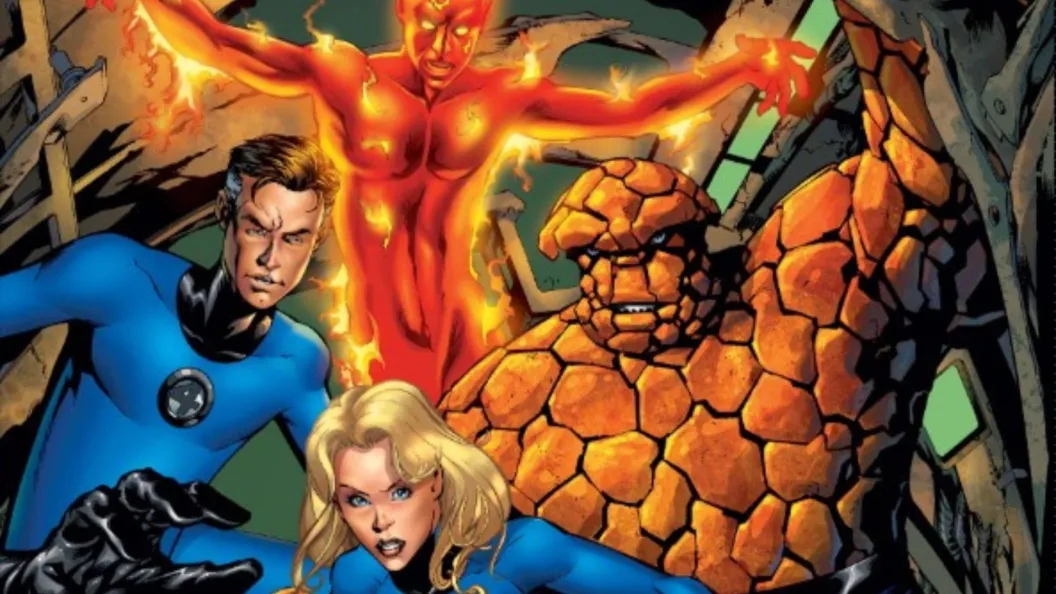
In simple terms, today marks the 65th anniversary of Marvel’s Fantastic Four, a pivotal team that changed the landscape of comic books. Created by Stan Lee and Jack Kirby, the Fantastic Four made their debut in Fantastic Four #1 on August 8, 1961. This momentous introduction is celebrated not just for its historical significance but also for its lasting impact on the superhero genre.
What happened is rooted in a tumultuous time for Marvel Comics, which was struggling financially in the early 1960s. According to a report by ComicBook.com, Stan Lee was actually considering quitting the industry when his wife encouraged him to create a comic he could truly love. Inspired, Lee formulated a concept that deviated from the typical superhero narrative, leading to the birth of Marvel’s First Family.
The Fantastic Four were revolutionary, breaking numerous conventions established by DC Comics. Unlike their predecessors, they didn’t don secret identities, emphasizing instead their humanity and personal struggles. Mr. Fantastic, Invisible Woman, Human Torch, and the Thing showcased relatable character flaws, ranging from emotional distance to self-loathing. This focus on personal narratives resonated with the readers of the 1960s, who were navigating a world fraught with uncertainty amidst the Cold War.
The characters’ sins and complexities laid the groundwork for a more psychologically nuanced approach in superhero storytelling. Their journey from ordinary citizens to cosmic heroes was not just an escapist fantasy; it addressed the very human need for connection and understanding, appealing to a broad audience.
Beyond merely representing a new direction in storytelling, the Fantastic Four ushered in the Marvel Universe as we know it. As noted by the ComicBook.com feature, their success served as a blueprint for other iconic characters like Spider-Man, Iron Man, and the X-Men, all of whom developed similarly relatable arcs. This interconnectedness became a hallmark of Marvel's storytelling, leading to expansive storylines that spanned multiple issues.
Moreover, the Fantastic Four's inaugural issue employed what would come to be known as the Marvel Method, allowing illustrators significant freedom in crafting the story’s visuals. This collaborative approach not only facilitated creative freedom but also allowed for a more fluid and engaging storytelling experience.
While the Fantastic Four may not hold the same cultural clout today as they once did, their influence on comic book storytelling and the superhero genre remains undisputed. Their introduction to readers marked a seismic shift, leading to increasingly diverse representations within the genre. Characters were no longer merely heroic figures; they became complex, multifaceted individuals facing real-world issues.
The science fiction elements, especially during the height of the Space Race, further cemented their relevance, as audiences were captivated by the promise and perils of scientific advancement. The stories told through these characters acted as allegories for larger societal questions and personal dilemmas, making them not just titans of the comic world but also champions of thematic richness.
The 65th anniversary of the Fantastic Four serves as a reminder of their significant role in shaping the superhero comics landscape. As we celebrate their contribution, it's worth recognizing how they paved the way for future generations of characters and stories. With the current revival of interest in superheroes through various media, this foundational team continues to inspire new comic tales and adaptations in animated shows and feature films alike. This legacy is a testament to the enduring appeal of relatability and humanity within the superhero narrative.
As Marvel continues to innovate, the spirit of the Fantastic Four lives on, reminding audiences old and new why we cherish these stories that blend escapism with the human experience. For more on the timeless evolution of Marvel characters, check out Doctor Doom’s Unfolding Complexity in Marvel Comics and Exploring Marvel's Lesser-Known Heroes for Tokon: Character Guide.
Entertainment news
EpisodeBreakdown may use automated tools to assist research, drafting, and formatting. Published pages are governed by our editorial and corrections policies, and source links are shown when they are available in the article record.
Discovery source: ComicBook.com. The source identifies where the topic was discovered; EpisodeBreakdown is responsible for the commentary published on this page.
Reader response
Reactions and poll results are based on real reader responses. No account is required.