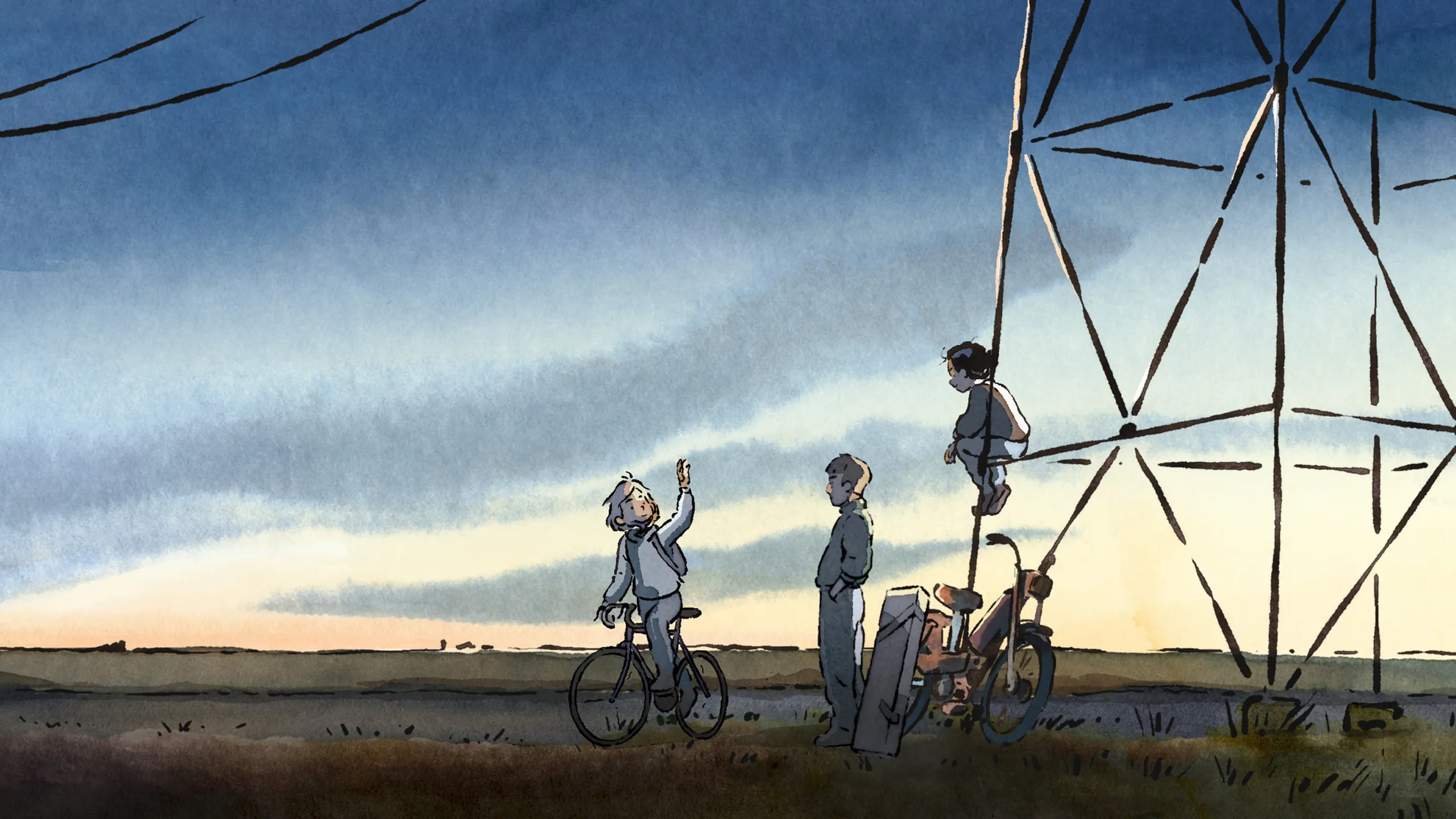
‘Paper Tiger’ and ‘Musk’ Documentary Featured at 2026 SFIFF
The 2026 Santa Fe International Film Festival showcases key titles including 'Paper Tiger' and 'Musk', marking an exciting lineup for this year.
ComicBook.com details seven iconic Spider-Man villains that established Marvel's rogues gallery.
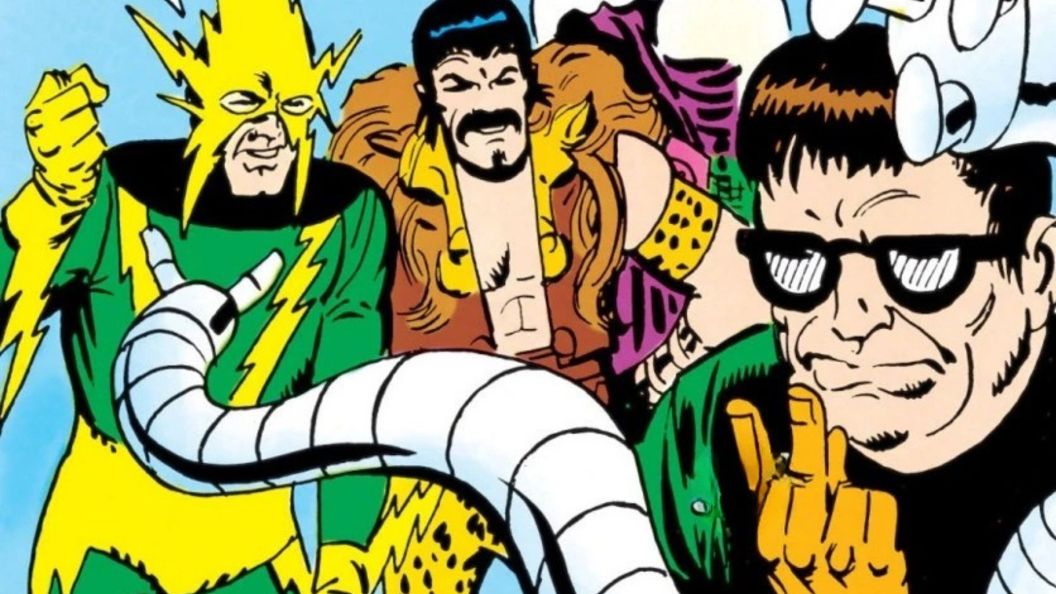
ComicBook.com has published an article detailing seven early villains who helped shape Spider-Man's celebrated rogues gallery, originally introduced in the 1960s. Spider-Man first appeared in 1962, created by Stan Lee and Steve Ditko, and quickly became notable for his relatability and complex character—a teenager balancing heroics with everyday challenges. The villains outlined in the article have had a lasting impact on the superhero landscape, contributing to Spider-Man's enduring popularity.
The Green Goblin, introduced in Amazing Spider-Man #14, stands out as a pivotal antagonist in Spider-Man's history. Often seen as one of Spider-Man's most dangerous foes, the Goblin's complex backstory involves Norman Osborn, a character who later becomes integral to Spider-Man's narrative. This villain is notorious for causing significant trauma in Spider-Man's life, including the death of Gwen Stacy. The article notes that despite various iterations of the character, the Green Goblin remains a central figure in Spider-Man lore, emphasizing the villain's role in the hero’s development.
Another significant villain featured is Kraven the Hunter, who made his debut in Amazing Spider-Man #15. Unlike traditional criminals, Kraven’s motivations stem from a desire to prove he is the finest hunter. His rivalry with Spider-Man signifies a nuanced approach to villainy that sets him apart from more conventional foes. The narrative also highlights significant storylines such as "Kraven's Last Hunt," which reshape the villain's character and influence the series.
Sandman, arriving in Amazing Spider-Man #4, is not just an early antagonist but also a character who evolves significantly over time. Starting as one of Spider-Man's formidable foes, he eventually transcends his initial role to become a more complex figure, even taking on heroic attributes later on. The article illustrates how characters like Sandman contribute to a broader understanding of morality within the superhero genre, allowing for redemption arcs that resonate with audiences.
Electro made his entrance in Amazing Spider-Man #9, characterized by his manipulative misuse of electrical powers. The emphasis on Electro's transformation following his accident, which ignited his villainous career, presents a commentary on the struggle between personal failure and societal expectations. His duality encourages readers to question the essence of good and evil, making him a compelling entry in Spider-Man's rogues gallery.
Lizard’s story as Dr. Curt Connors speaks to the tragic elements that often define Spider-Man's adversaries. His characterization demonstrates the very human vulnerabilities that can lead to villainy. Readers learn that Spider-Man often feels compelled to save Lizard rather than defeat him, showcasing the emotional complexity embedded within these narrative arcs. This portrayal adds depth to the superhero-villain dynamic, continuing to draw audience engagement through relatability and conflict.
Doctor Octopus, introduced in Amazing Spider-Man #3, ultimately becomes seen as Spider-Man’s archenemy. Highlighted for his intellectual parity with Spider-Man, this character embodies the darker potential of what Peter Parker could have become under different circumstances. The impactful storylines, including body-switching narratives, create dramatic tension that elevates this villain's status, influencing other portrayals in Spider-Man’s extensive history.
The villains outlined in ComicBook.com’s piece are more than just adversaries; they laid the groundwork for complex storytelling within superhero comics. By addressing their human flaws and intricate backstories, these characters have solidified their places within pop culture as both formidable foes and relatable figures. These early villains not only contribute to the richness of Spider-Man’s legacy but continue to inspire new adaptations in various media.
The exploration of Spider-Man's early villains as detailed by ComicBook.com reinforces their significance not just in comic history, but also in ongoing discussions about narrative complexity in superhero storytelling. Readers and fans alike will appreciate understanding the roots of the iconic rogues gallery, which continues to influence modern adaptations and character developments in the Marvel universe. These early villains remain essential in understanding not only Spider-Man’s evolution as a character but also the broader implications of heroism and villainy in contemporary narratives.
Entertainment news
EpisodeBreakdown may use automated tools to assist research, drafting, and formatting. Published pages are governed by our editorial and corrections policies, and source links are shown when they are available in the article record.
Discovery source: ComicBook.com. The source identifies where the topic was discovered; EpisodeBreakdown is responsible for the commentary published on this page.
Reader response
Reactions and poll results are based on real reader responses. No account is required.