test
asdasd
Cowboy Bebop's legacy is both revered and scrutinized; modern viewers find new challenges in revisiting this classic anime.
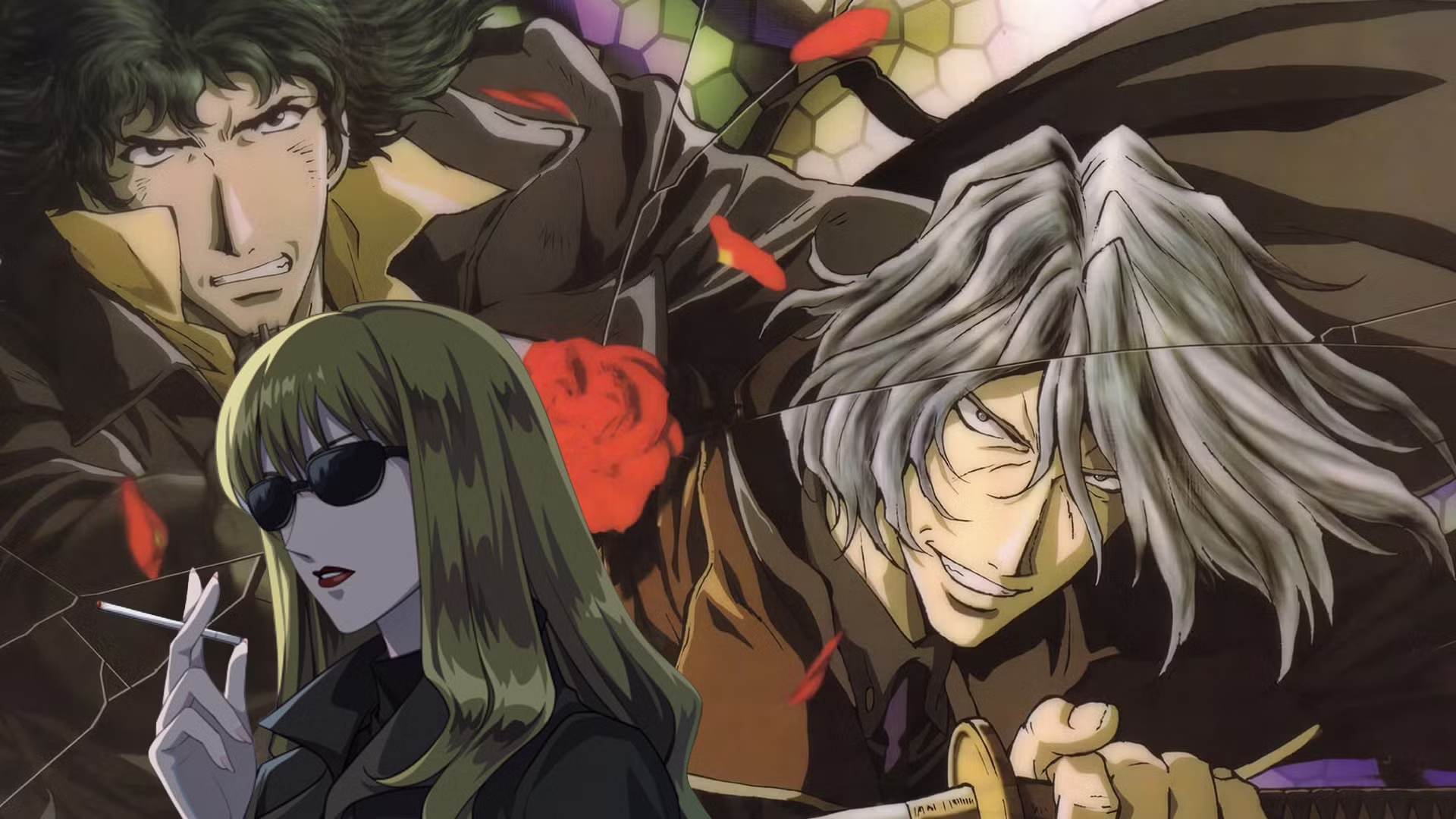
Cowboy Bebop, a hallmark of the anime genre, has captured the hearts of audiences for over 25 years. Known for its stunning animation, unforgettable soundtrack, and philosophical depth, it remains a pivotal work in the world of anime. However, as time progresses and societal norms evolve, many fans are finding it increasingly difficult to engage with the series in the same way they once did. Here are eight reasons why Cowboy Bebop might be a tougher watch today compared to its initial release.
When Cowboy Bebop first aired, some cultural tropes and representations were more widely accepted. Today, viewers are more attuned to issues of representation and cultural sensitivity. This shift can lead to discomfort when watching certain scenes or character portrayals that may not align with modern values.
Cowboy Bebop is known for its episodic structure, where each episode feels like a standalone story. While this approach has its merits, modern audiences often prefer more serialized storytelling with deeper character development. The series' pacing may feel disjointed or slow for viewers accustomed to contemporary narratives.
The portrayal of female characters in Cowboy Bebop has been a point of contention. Characters like Faye Valentine and Ed are undeniably iconic, yet their roles often reflect outdated gender dynamics. This can make it challenging for today's viewers, who are more critical of how gender is represented in media.
For many long-time fans, Cowboy Bebop is shrouded in nostalgia, making it hard to view the series through a critical lens. New viewers, however, don’t have the same attachment and may find flaws more readily apparent. This disparity can create a divide in how the series is perceived.
The anime genre has evolved significantly since Cowboy Bebop’s debut. Newer shows have raised the bar for animation quality, storytelling complexity, and character depth. As a result, viewers may find it difficult to appreciate Cowboy Bebop's animation style or narrative choices without the context of its time.
Cowboy Bebop employs a specific brand of humor that may not resonate with contemporary audiences. Some jokes may feel dated or out of place, particularly in a landscape where humor has shifted towards more diverse and inclusive narratives.
The series touches on themes of substance abuse and mental health, but the treatment of these topics can feel superficial or problematic by today’s standards. Modern viewers are more aware of the complexities surrounding these issues, and might find the show's handling inadequate or insensitive.
Cowboy Bebop's status as a classic creates a high bar for expectations. New viewers may struggle with the weight of its legacy, which can lead to disappointment if they don’t connect with the series on the same level as its most ardent fans. The conversation surrounding its greatness can overshadow the viewing experience itself.
While Cowboy Bebop remains a beloved classic, rewatching it today can reveal a host of challenges for modern audiences. As society continues to evolve, our media consumption must also adapt. Understanding these obstacles can foster more meaningful discussions about what makes a show truly timeless versus what may need re-examination. As fans continue to debate the relevance of Cowboy Bebop, it’s clear that its impact on anime and popular culture remains profound, even as we grapple with its complexities in today’s context.
Entertainment news
EpisodeBreakdown may use automated tools to assist research, drafting, and formatting. Published pages are governed by our editorial and corrections policies, and source links are shown when they are available in the article record.
Discovery source: CBR Anime. The source identifies where the topic was discovered; EpisodeBreakdown is responsible for the commentary published on this page.
Reader response
Reactions and poll results are based on real reader responses. No account is required.