test
asdasd
Explore how '80s sitcoms like 'Cheers' and 'The Golden Girls' redefined the genre and laid the groundwork for future television.
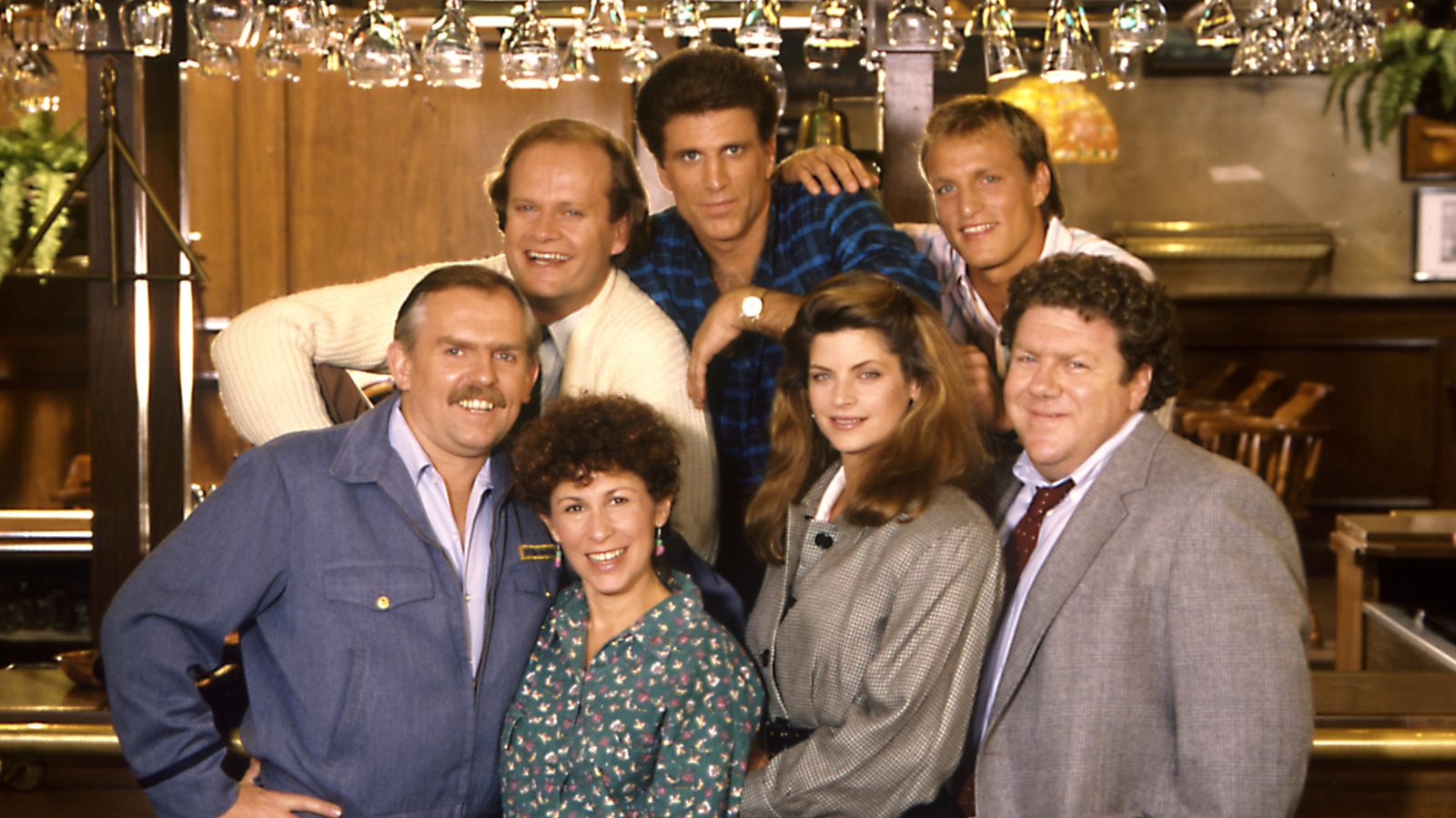
In simple terms, the 1980s were a transformative era for television sitcoms, producing groundbreaking shows that reshaped audience expectations and narrative structures. Notably, series like "The Facts of Life," "Who's the Boss?", and "Cheers" not only entertained but also ventured into uncharted territory, addressing critical social issues and diversifying character roles in ways that had not been seen before.
Here is what is confirmed: This decade introduced a series of innovative sitcoms that broke the mold of traditional family dynamics and comedy tropes. These shows paved the way for future series by addressing themes like gender roles, race, and age—ultimately setting new standards for what audiences could expect from the genre.
"The Facts of Life" is celebrated for its unique approach to storytelling. Originally a spin-off from the popular show "Diff'rent Strokes," it took significant steps in exploring the lives of teenage girls at an all-girls boarding school. Rather than sugar-coating issues, the series tackled serious topics such as eating disorders and substance abuse, creating some of the very first "very special episodes."
Additionally, the show made strides in representation by casting Geri Jewell, one of the first actors with disabilities to play a recurring role in a major television series. This commitment to a more honest portrayal of life experiences made "The Facts of Life" resonate with a generation, demonstrating that sitcoms could address more than just everyday humor.
With "Who's the Boss?", the sitcom genre experienced a significant shift in character dynamics. Unlike the traditional portrayal of families, Tony and Angela were both single parents, which was a notable divergence from the norm. This show flipped gender roles, portraying Angela as the primary breadwinner while Tony took on the more nurturing household role.
By showcasing the complexities of single parenthood and highlighting a female character's professional success, "Who's the Boss?" challenged conventional family structures. It opened up discussions about what modern families could look like, emphasizing that not every household fits the cookie-cutter model seen in earlier sitcoms.
Another milestone of the '80s was "The Golden Girls," which featured four women well beyond the typical age range of sitcom leads. This vibrant ensemble brought stories of friendship, romance, and life challenges while also shedding light on issues pertinent to older adults, such as health and societal expectations.
The show boldly tackled controversial topics, including the AIDS crisis and the invisibility of older women in society. Its fresh perspective not only entertained but also empowered viewers who had previously been marginalized in mainstream media.
While acknowledging the complex legacy of "The Cosby Show," it stands as a pivotal series in redefining the family sitcom. The Huxtable family portrayed a successful, upper-middle-class Black family, moving away from stereotypes that often pigeonholed Black families in television. Cliff Huxtable, a doctor, and Claire, a lawyer, depicted an aspirational and relatable version of family life that resonated with diverse audiences.
Though the legacy of the show has been marred by scandal, it indeed broke barriers by illustrating that families could thrive and tackle real-life issues while maintaining humor. This groundbreaking representation opened doors for a wider array of family dynamics in future sitcoms.
"Cheers" marked a departure from the conventional sitcom format of neatly resolved conflicts in each episode. It introduced a serialized storytelling style, particularly through the romantic saga of Sam and Diane, that set new expectations for audience engagement. Co-creator James Burrows' vision for ongoing character development—where relationships evolved over time—was a significant innovation that influenced many subsequent shows, including "Friends" and "The Office."
Not only did "Cheers" blend workplace dynamics with a social setting, but it also invited viewers into the lives of a diverse cast. Characters like Norm and Cliff added layers to storytelling that enriched the overall narrative experience, setting a new standard for ensemble casts in sitcoms.
In summary, these transformative sitcoms of the '80s significantly impacted television in ways that continue to influence how stories are told today. By embracing complex social issues, reversing traditional roles, and catering to underrepresented demographics, these series redefined expectations for future shows. While the legacy of some has been complicated, their original intentions laid a strong foundation for the diversity and complexity we see in today's television landscape. Looking forward, future sitcoms may continue to evolve, drawing inspiration from the groundbreaking work that emerged during this pivotal decade.
Story breakdown
EpisodeBreakdown may use automated tools to assist research, drafting, and formatting. Published pages are governed by our editorial and corrections policies, and source links are shown when they are available in the article record.
Discovery source: TVLine. The source identifies where the topic was discovered; EpisodeBreakdown is responsible for the commentary published on this page.
Reader response
Reactions and poll results are based on real reader responses. No account is required.