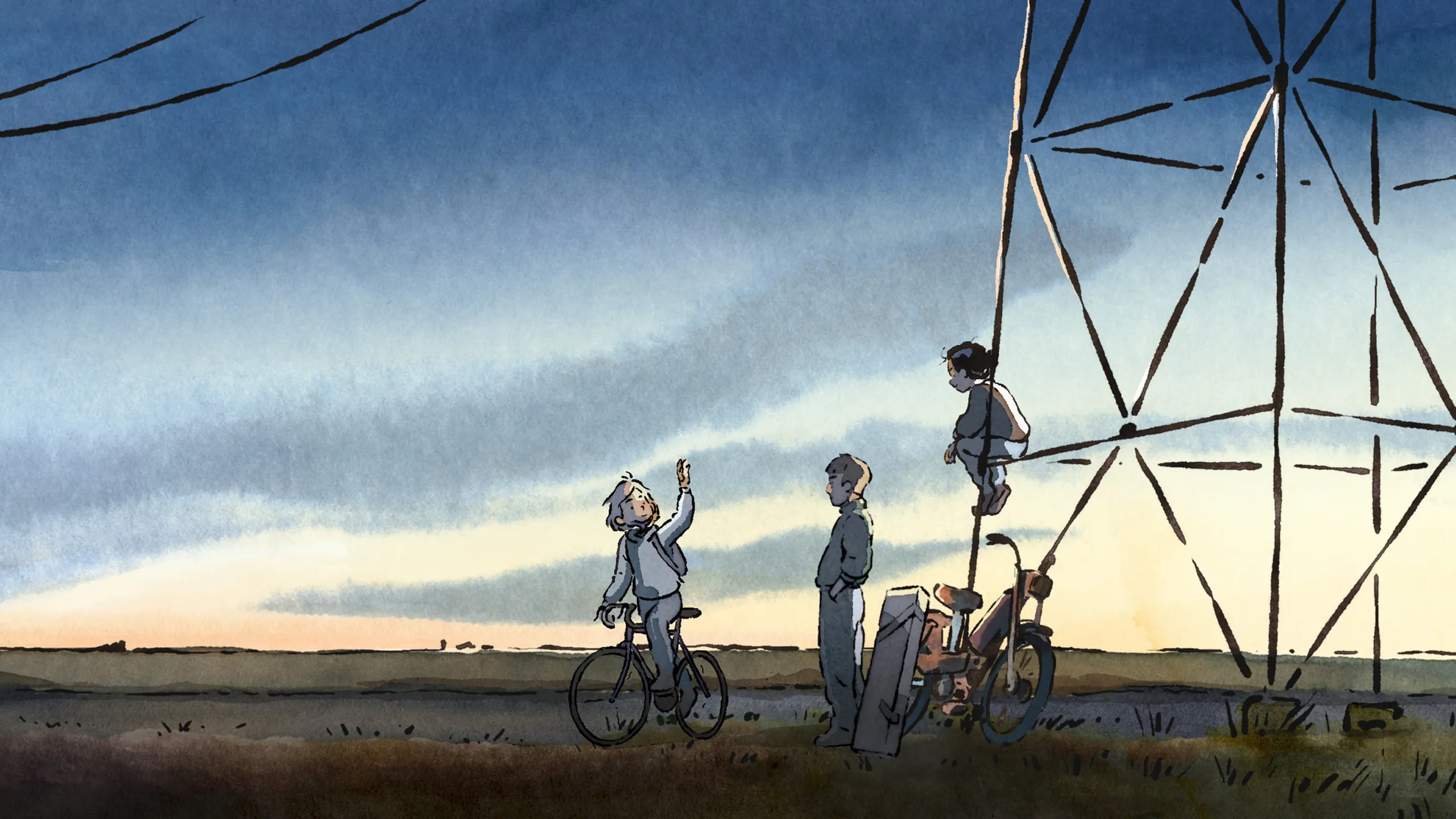
‘Paper Tiger’ and ‘Musk’ Documentary Featured at 2026 SFIFF
The 2026 Santa Fe International Film Festival showcases key titles including 'Paper Tiger' and 'Musk', marking an exciting lineup for this year.
Andrew Haigh's latest film, ‘A Long Winter,’ tells a haunting story of family struggles in the Rockies during the early ’50s.
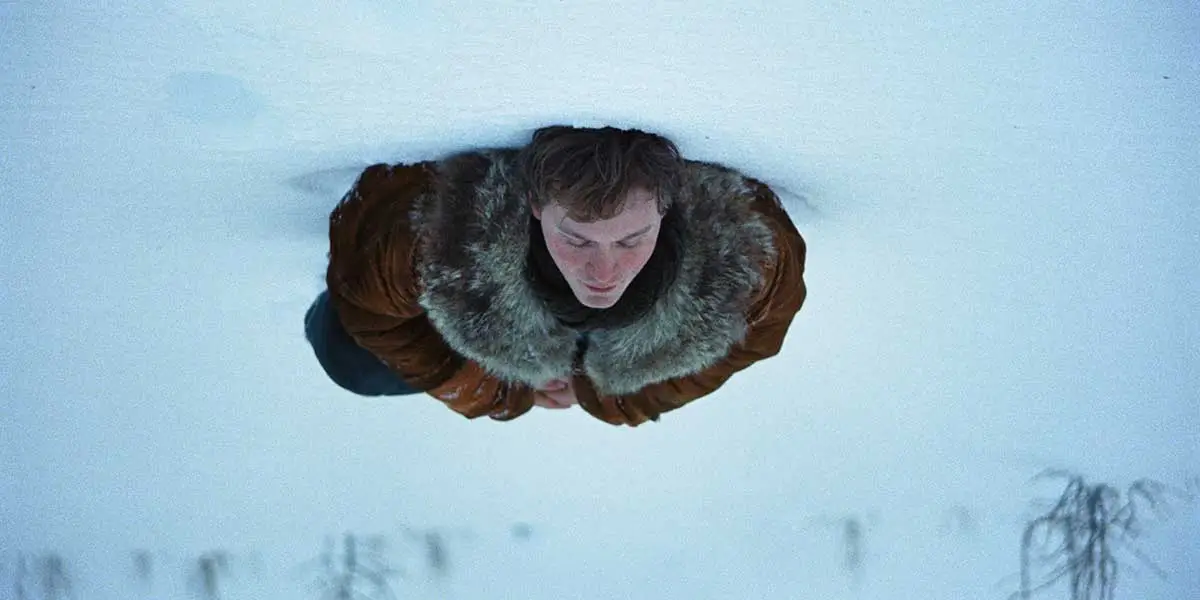
Renowned director Andrew Haigh presents his latest film, A Long Winter, a moody drama set in the early 1950s on a farm in the Rocky Mountains. The film is based on a novella by acclaimed writer Colm Tóibín and was reviewed by Variety, highlighting its rich cinematography and poignant storytelling. Released on September 5, 2026, this marks Haigh's first film since All of Us Strangers.
Variety notes that while A Long Winter risks alienating some viewers with its austere presentation, it resonates deeply with those receptive to its quiet, evocative style. The film's visuals, characterized by stunning depictions of the majestic Rockies and intimate family scenes, draw viewers into its world. Haigh's collaboration with cinematographer André Turpin results in a film where each frame contributes to the story, enhancing the overall narrative experience. The backdrop of a cold, remote farm sharply contrasts with the emotional warmth often felt in family dynamics, establishing a compelling tension throughout.
The narrative follows two brothers, Mikey and Tom, portrayed by Fred Hechinger and Kit Connor, as they navigate family struggles. Mikey cherishes the tranquility of their secluded life, while Tom feels constrained and prepares for Army service. The film portrays their close bond, strained by underlying tensions within their family, particularly concerning their mother, Louise, played by Caitríona Balfe. The dynamics are fractured by Louise's issues with alcohol and her increasingly strained relationship with her husband, Lester (Ebon Moss-Bachrach).
As the plot progresses, Louise's sudden departure shifts the focus toward the remaining family members, elevating the stakes and weaving a haunting mystery around her absence. Mikey, determined to find her, grapples with his familial responsibilities and emerging truths about himself, creating an atmosphere ripe for exploration of identity and emotional turmoil.
The haunting absence of Louise becomes a profound metaphor for loss, guilt, and unfulfilled desires within the family. While the film can be viewed as a journey through grief, it serves as a quiet exploration of Mikey's burgeoning sense of self, particularly in his nuanced attraction to men, which is expertly intertwined with the familial narrative. Haigh captures the essence of innocence and yearning against a period when such feelings were seldom explored in mainstream storytelling.
This film provides reflective commentary on the 1950s and resonates with contemporary audiences, particularly those familiar with Haigh’s work focusing on queer narratives. The depth of Mikey's character development is noteworthy, as viewers witness his transition from boyhood to a deeper understanding of his place in both his family and the world.
Fans of Haigh's previous works, as well as newcomers to his unique cinematic voice, will likely find much to appreciate in A Long Winter. For anyone seeking a rich narrative experience grounded in emotional authenticity, this film promises to deliver. To learn more about other recent film developments, check out our coverage on Mike Leigh's Tender Loving Care and Sara Bareilles’ documentary, Good Grief.
Entertainment news
EpisodeBreakdown may use automated tools to assist research, drafting, and formatting. Published pages are governed by our editorial and corrections policies, and source links are shown when they are available in the article record.
Discovery source: Variety. The source identifies where the topic was discovered; EpisodeBreakdown is responsible for the commentary published on this page.
Reader response
Reactions and poll results are based on real reader responses. No account is required.