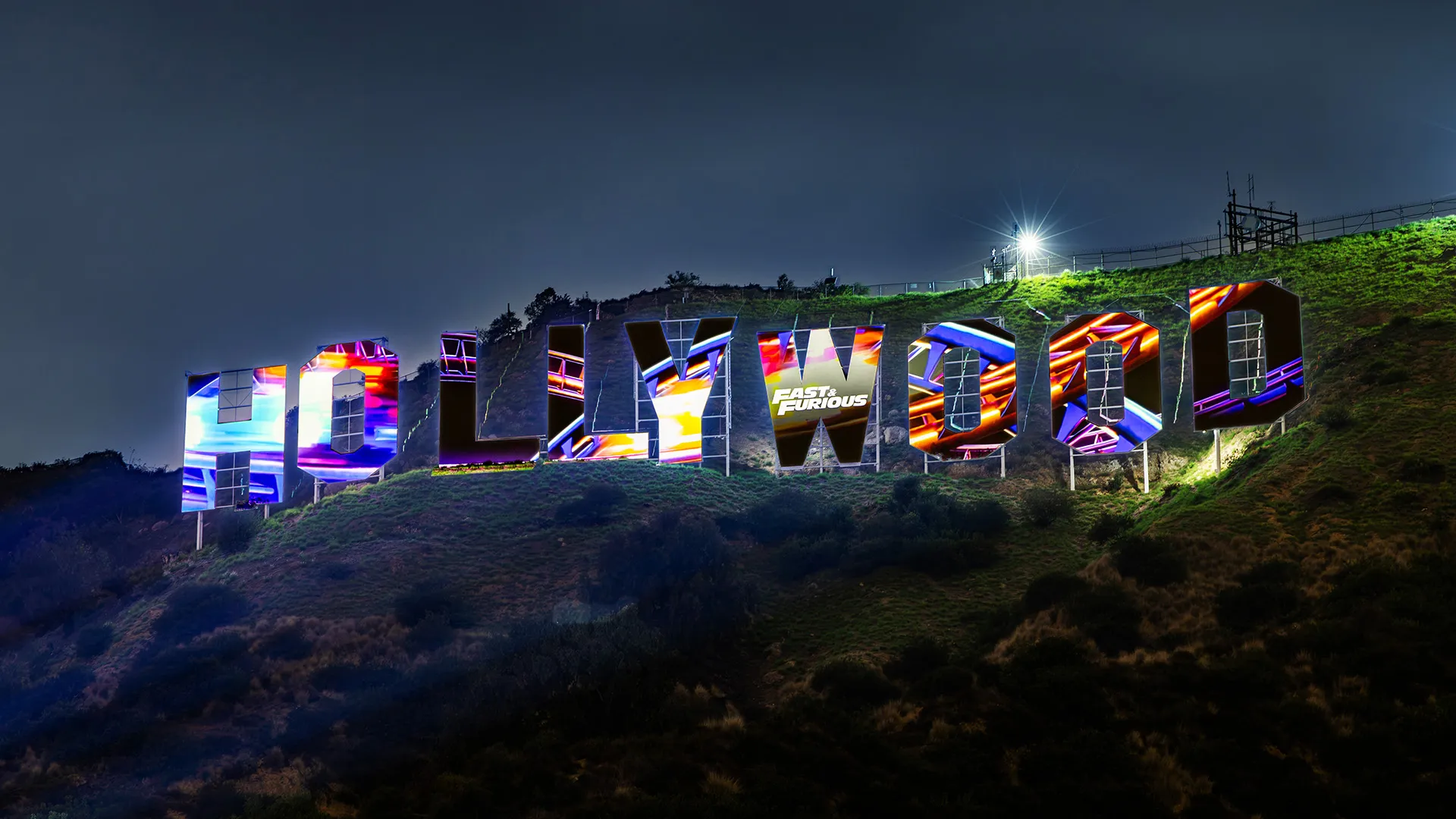
Hollywood Sign Gets A ‘Fast & Furious’ Makeover
The Hollywood Sign received a vibrant update with Fast & Furious imagery during a recent event at Universal Studios Hollywood.
ABC contests the FCC's rationale for early review of its station licenses, citing retaliatory motives linked to the Trump administration.
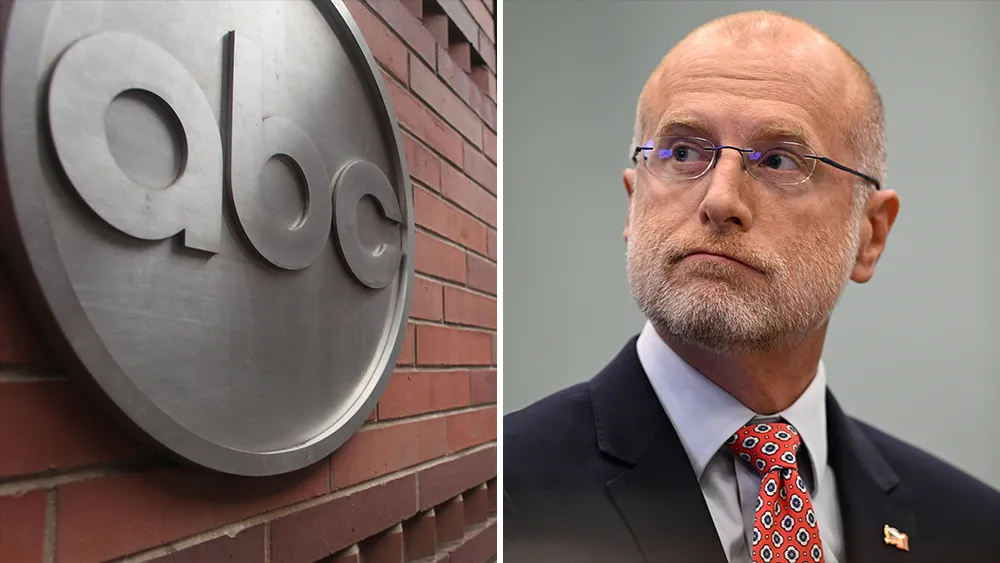
On September 17, 2026, ABC submitted a legal response to the FCC's decision to review its eight owned station licenses for early renewal. The document, revealed by Deadline, contends that the FCC failed to address substantial evidence suggesting that the review is motivated by retaliation stemming from the Trump administration.
ABC previously filed a First Amendment lawsuit against the FCC in August, arguing that the agency's order for early license renewal was an unusual measure intended to silence the network's speech. The network claims that the FCC’s actions align with criticisms made by former President Donald Trump concerning ABC's news coverage and late-night programming, specifically targeting comedian Jimmy Kimmel. The FCC, for its part, has aimed to dismiss the lawsuit, asserting that the early license renewal is mainly tied to an investigation of Disney's diversity, equity, and inclusion (DEI) practices.
In its latest filing, ABC's attorneys argued that FCC officials incorrectly conflated the nature of their claims of retaliation with the details surrounding the early renewal process. Their legal team emphasized that the court is not being asked to rule on potential violations of FCC regulations but rather to assess whether the FCC initiated this proceeding as a means of retaliation against ABC for content deemed unfavorable by the Trump administration. The network asserts that the Commission's handling constitutes a breach of First Amendment rights, as the government is prohibited from using regulatory powers to punish media organizations for their perspectives.
During discussions about ABC's content, Trump has called for the revocation of the licenses not only for ABC but also for other broadcasters. The impact of these regulatory threats has been noted to have a chilling effect on creative expression at ABC, manifesting in decisions like Kimmel's recent choice to stream an interview online rather than broadcasting it, explicitly citing fears of FCC retribution. Support has emerged for ABC, with several organizations filing amicus briefs supporting its stance. Notable supporters include the Foundation for Equal Rights and Expression, as well as former FCC chairs from various administrations, who argue that the current regulatory environment stifles the free press.
U.S. District Judge Loren L. AliKhan has scheduled a hearing for October 6 to discuss the ongoing legal battle between ABC and the FCC. As both parties prepare for this crucial date, the implications of the trial could set significant precedents regarding the intersection of media regulation and free speech in the United States.
The situation between ABC and the FCC raises vital questions regarding regulatory overreach and media freedom. As the legal proceedings unfold, the outcome could have lasting effects not only on ABC but also on the broader media landscape, highlighting the ongoing tensions between government regulation and the First Amendment rights of broadcasters. The hearing may also clarify the extent to which retaliatory actions are permissible under American law, potentially influencing future interactions between media outlets and federal regulators.
Entertainment news
EpisodeBreakdown may use automated tools to assist research, drafting, and formatting. Published pages are governed by our editorial and corrections policies, and source links are shown when they are available in the article record.
Discovery source: Deadline. The source identifies where the topic was discovered; EpisodeBreakdown is responsible for the commentary published on this page.
Reader response
Reactions and poll results are based on real reader responses. No account is required.