test
asdasd
Explore the compelling world of anime’s best-written anti-heroes and their complex narratives.
Explore the franchise
In simple terms, the best-written anime anti-heroes serve to challenge the conventions of heroism by embodying complexities of morality and personal conflict. Characters like Vegeta from Dragon Ball and Sasuke from Naruto illustrate how anti-heroes navigate their own flawed ideals, expanding the narrative depth in anime storytelling. These characters often grapple with intense emotional backstories, allowing audiences to explore deeper themes of vengeance, redemption, and internal struggle.
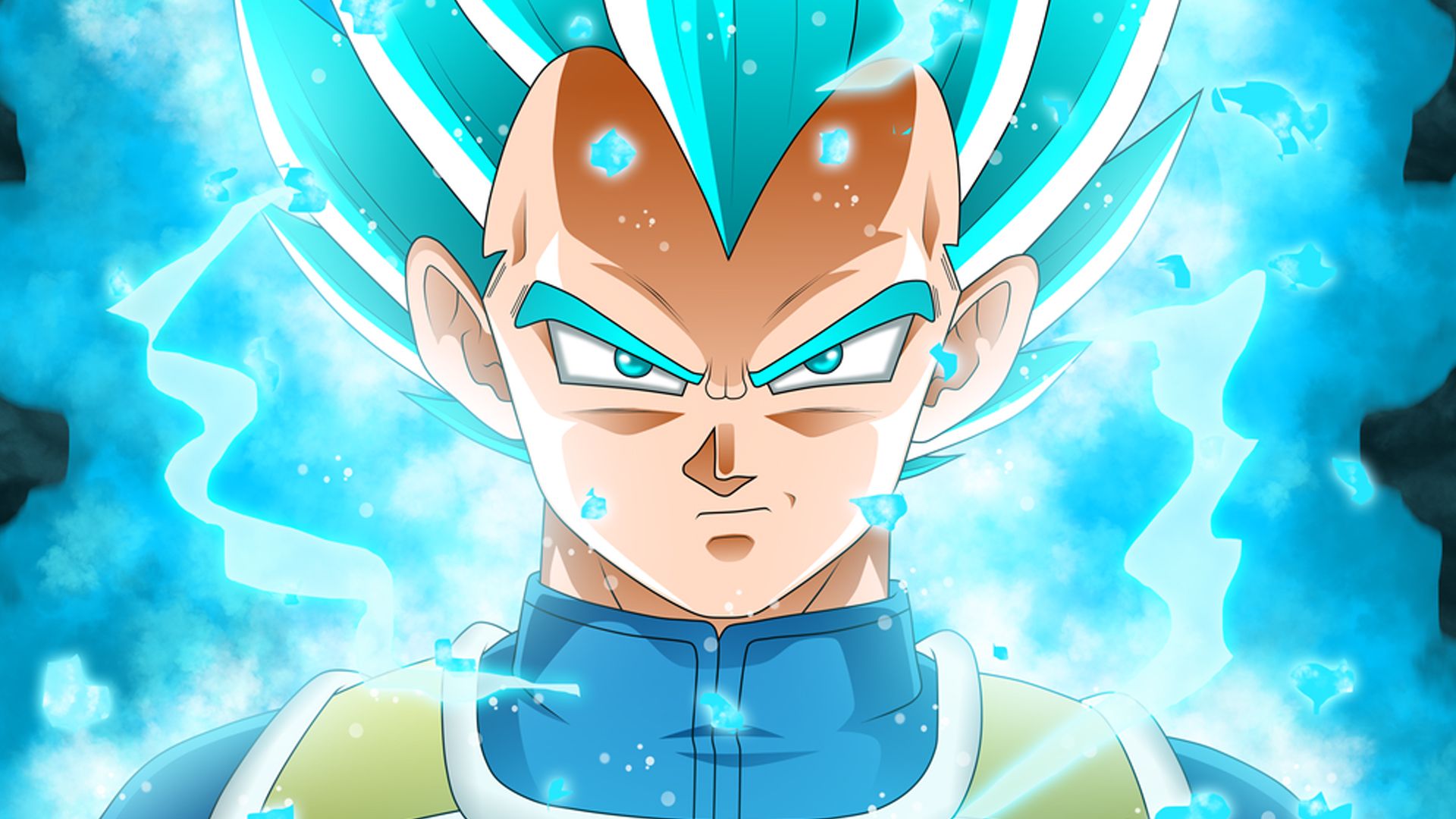
Vegeta, the Saiyan prince from Dragon Ball, is a prime example of an anti-hero’s evolution. Initially portrayed as a ruthless character focused solely on power and dominance, his character arc spans decades, allowing for profound development. Vegeta's relationship with the Z-Fighters—particularly with his family—shifts his motivations from selfish ambition towards self-sacrifice for the greater good. This nuanced evolution challenges the notion that anti-heroes must reject morality altogether.
Sasuke Uchiha, from Naruto, similarly embodies the anti-hero archetype through his tragic complexities. After witnessing the murder of his family, Sasuke's journey is marked by vengeance against those responsible. As the storyline unfolds, his internal conflicts lead to a deeper exploration of themes like friendship, betrayal, and redemption. His character arc serves as a cautionary tale about the consequences of allowing hatred to define one's identity.
In Hellsing, Alucard, the legendary vampire, defies typical villain tropes through his complex relationships and moral landscape. As he enforces order for humanity—which he simultaneously despises—his internal conflict about immortality and the meaning of true humanity offers a compelling take on the anti-hero narrative. Alucard's disdain for his own power underscores the series’ exploration of humanity's darker instincts, showcasing that anti-heroes can possess a rich psychological background that enhances their depth.
Attack on Titan presents Eren Yeager, whose transformation from a hopeful hero to a morally complex figure is both unsettling and fascinating. Eren’s radicalization throughout the series, driven by trauma and oppression, raises critical questions about freedom and the nature of humanity. His ultimate decisions force audiences to confront the realities of conflict and the ethical costs of survival, positioning him as a mirror reflecting uncomfortable truths about vengeance and violence.
In Vinland Saga, Thorfinn's narrative arc is a masterclass in anti-hero storytelling. Initially driven by a quest for revenge against the man who killed his father, Thorfinn evolves through harsh experiences and deep introspection. His eventual shift towards pacifism reveals the harsh truths of violence and the redemption that can arise from seeking purpose beyond vengeance. Thorfinn’s journey encapsulates the theme that anti-heroes are often born from tragedy, leading them towards complex moral revelations.
The multi-dimensional nature of these anti-heroes enriches the anime landscape by offering stories that reflect the messy realities of human nature. Characters like Light Yagami from Death Note and Lelouch vi Britannia from Code Geass complicate traditional notions of good and evil. Their stories challenge viewers to engage with ethical dilemmas while maintaining suspense and tension throughout the narrative.
Each of these characters represents the broader spectrum of anti-hero design in anime, illustrating how moral ambiguity can fuel captivating storytelling. By casting protagonists who grapple with their flawed nature, these narratives invite the audience to explore what it truly means to be human.
For those intrigued by the dynamics of anti-heroes in anime, consider exploring related themes in Black Lagoon and Cowboy Bebop. The complexities of Revy from Black Lagoon and Spike Spiegel from Cowboy Bebop further showcase how trauma and personal histories shape characters beyond the traditional hero-villain dichotomy. Check out our 10 Action Anime That Perfectly Captivate, providing additional perspectives on storytelling through action and character motivations.
The exploration of anti-heroes presents a vital lens through which audiences can examine themes of morality, trauma, and the human condition. While characters such as Vegeta and Sasuke shine through their journeys, others like Eren and Alucard further emphasize how storytelling in anime can articulate the complexities of human behavior and society. As viewers continue to engage with these characters, the dialogue surrounding what constitutes heroism remains open-ended and provocative, ensuring that anti-heroes will continue to occupy an essential role in anime narratives.
Story breakdown
EpisodeBreakdown may use automated tools to assist research, drafting, and formatting. Published pages are governed by our editorial and corrections policies, and source links are shown when they are available in the article record.
Discovery source: CBR Anime. The source identifies where the topic was discovered; EpisodeBreakdown is responsible for the commentary published on this page.
Reader response
Reactions and poll results are based on real reader responses. No account is required.