Exploring the Most Suspenseful Thriller Movies of All Time
Dive into our in-depth analysis of the eight most suspenseful thrillers, exploring key themes, character choices, and unforgettable moments.
This detailed analysis of 'The End of Oak Street' explores its themes, characters, and significant twists.
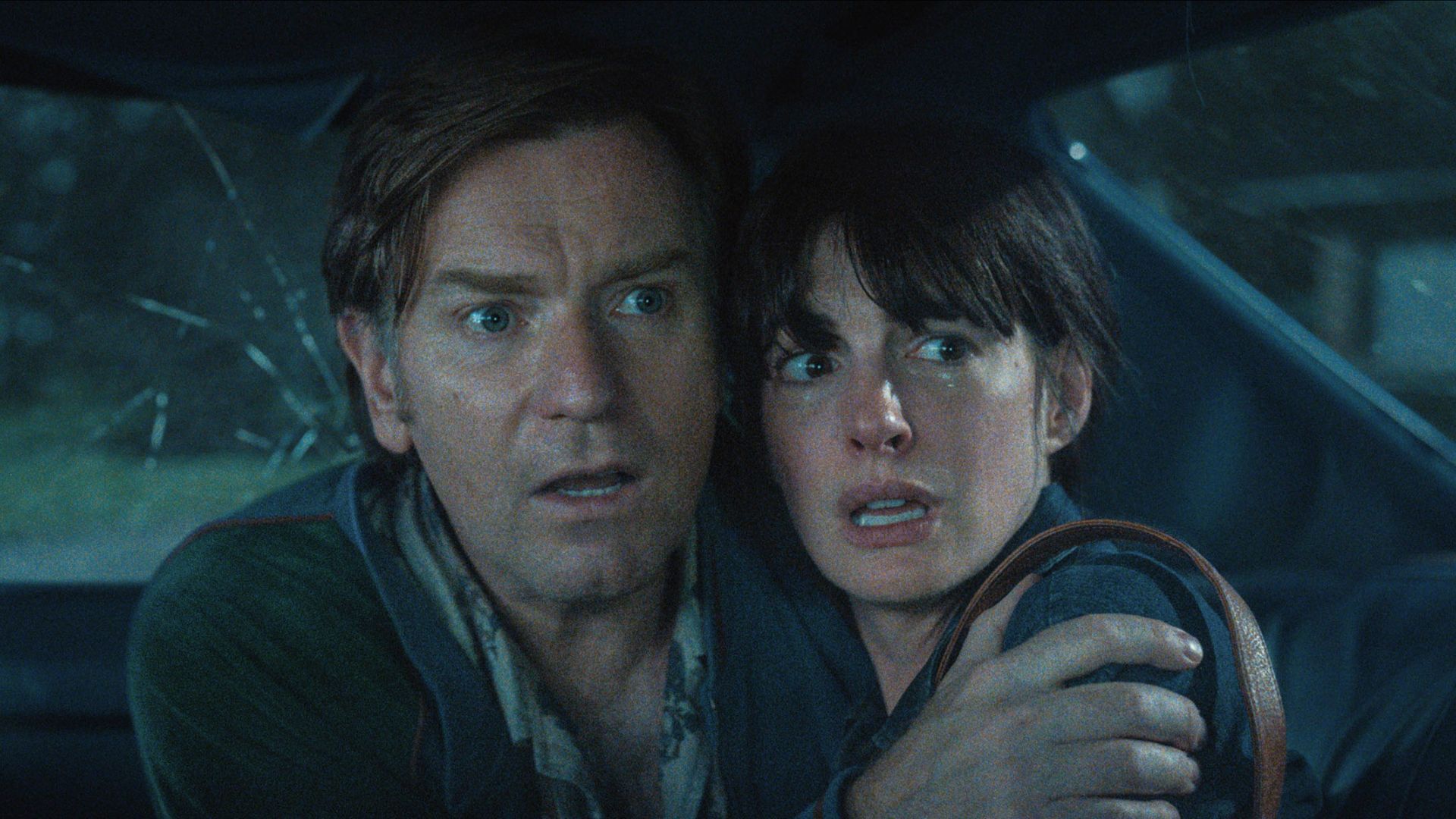
In simple terms, The End of Oak Street poses a central question: what happens when the familiar comforts of suburban life collide with the raw terror of the prehistoric world? This new sci-fi thriller, starring Anne Hathaway, unfolds a gripping story where a cosmic event displaces an entire neighborhood, embedding it in a landscape dominated by dinosaurs. The film asks not just about survival but also about the bonds of family, making it an exceptional entry in this summer's cinematic landscape.
What happened is that the Platt family—comprised of Hathaway, Ewan McGregor, and their on-screen children—must navigate their new, perilous surroundings. As the film develops, it becomes clear that the struggles of adapting to this foreign, deadly environment parallel the complexities of familial relationships in times of extremity. In a world populated by creatures that should not exist, the film cleverly interweaves themes of survival and connection, emphasizing that the true battle is against isolation as much as against dinosaurs themselves.
The turning point of the narrative occurs when the peaceful suburb of Oak Street is abruptly ripped from its foundations during a mysterious cosmic event. Confirmed details indicate that this moment marks the beginning of an extraordinary journey for the Platt family, whose normal lives are immediately upended. The suddenness of this transformation sets a disorienting tone, reminiscent of The Twilight Zone, where normalcy gives way to the inexplicable. This shift serves as the catalyst for character development, as each family member grapples with their new reality in varied, personal ways.
An essential theme in The End of Oak Street is the bond of family under duress. As the Platt family confronts external threats—dinosaurs lurking in their backyard—they also face internal conflicts. The film explores how each character's strengths and vulnerabilities surface when pushed to their limits. This approach aligns with director David Robert Mitchell's established penchant for character-driven narratives, seen in his previous works like It Follows and Under the Silver Lake.
While the plot compels us through visceral action and tension, the core of the movie lies in how familial ties are tested and ultimately reinforced. The mere act of survival becomes a reflection of their personal journeys, making the stakes emotionally resonant rather than merely physical.
There are various clues throughout the film that hint at deeper philosophical themes. Early scenes at the Platt household suggest a fabric fraying under ordinary stress before plunging into chaos. This juxtaposition of mundane life against extraordinary circumstances invites viewers to ponder the fragility of order and the strength of human relationships.
Moreover, the film’s visual language plays a crucial role in conveying its themes. With sweeping shots of the prehistoric skyline contrasted against suburban motifs, viewers can infer the dissonance between safety and danger. This visual rhetoric helps to amplify the sense of the uncanny that permeates the story, reinstating the idea that the threats lurking around the corner can come from both within and outside.
While many elements about the character journey and thematic depth are confirmed through the trailers and synopses, certain aspects remain uncertain until the film’s release. We know that the integration of dinosaurs is a significant draw, suggesting a surface-level spectacle akin to Jurassic Park. However, the psychological unraveling of the characters in such scenarios, drawing inspiration from The Twilight Zone, raises questions about how the narrative will resolve these complexities. Will the family emerge stronger, or will the chaos ultimately tear them apart? How they navigate their newfound perils remains an open question.
While the specifics of the film's conclusion are undisclosed, the trajectory suggests that personal growth and unity are paramount. Considering the family’s struggles posed earlier in the film, a resolution that underscores reconciliation or newfound strength aligns with narrative conventions in contemporary cinema. This could echo existing sentiments in other films that meld high concept adventures with emotional truths, positioning The End of Oak Street as a meaningful original piece in an era saturated with sequels and reboots.
The End of Oak Street stands as a unique summer blockbuster, not just for its thrilling premises but for its deeper examination of human connection in life-and-death situations. As it breaks away from franchise norms, it represents a crucial moment for original storytelling in contemporary cinema. Anticipation surrounding the film builds expectations for an experience that effectively marries spectacle with substance, reaffirming viewers' faith in high-quality, original narratives. This is confirmed by the growing buzz and Hathaway's rich resume this year, promising a cinematic experience that may just redefine what summer blockbusters can be.
For related discussions on original films, you can explore The Unmatched Masterpieces of Sci-Fi in the 2020s or Exploring the 6 Best Blockbuster Movies Since 2000.
Movie explanation
EpisodeBreakdown may use automated tools to assist research, drafting, and formatting. Published pages are governed by our editorial and corrections policies, and source links are shown when they are available in the article record.
Discovery source: CBR Movies. The source identifies where the topic was discovered; EpisodeBreakdown is responsible for the commentary published on this page.
Reader response
Reactions and poll results are based on real reader responses. No account is required.