
Sega PS2 Exclusive Game Officially Returning Next Year
A Sega PS2 exclusive game, Metal Slug 6, is officially returning next year as part of the Metal Slug Ultimate Collection, which will be available on multiple platforms.
Despite his powerful legacy, Apocalypse’s narrative peaked decades ago, highlighting Marvel’s struggles with this iconic character.
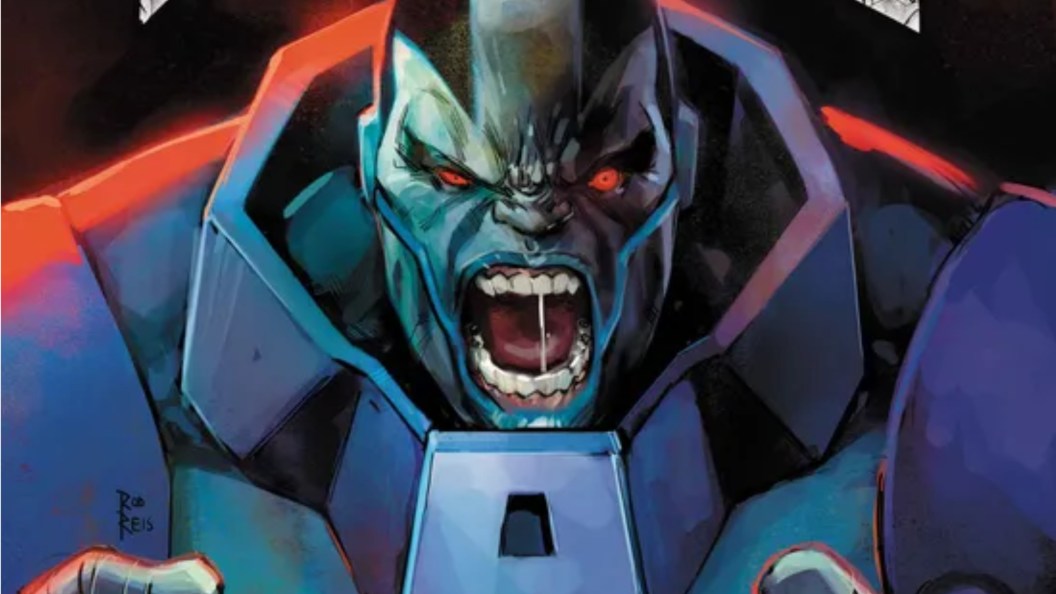
Marvel Comics has created numerous compelling villains, yet few have left an indelible mark like Apocalypse, the X-Men's arch-nemesis. Originally introduced in X-Factor (Vol. 1) #5, Apocalypse, also known as En Sabah Nur, swiftly secured his place in Marvel's rogues gallery. However, a recent report from ComicBook.com emphasizes that this once-formidable character peaked in storytelling quality 35 years ago, specifically around 1991.
According to the report, 1991 marked a pivotal year for both the X-Men and Apocalypse. This period saw the conclusion of several important arcs as part of the X-Men's biggest reboot yet. Prior to this transformation, X-Factor successfully established Apocalypse as a main villain whose complex nature and morally ambiguous motives captivated readers. The introduction of the Horsemen concept and his compelling motives were crafted by writers like Bob Layton and Louise Simonson.
The report highlights that during this time, Apocalypse's story was characterized by a compelling narrative arc with clear beginnings, middles, and conclusions. Unlike later stories that lacked the same depth, X-Factor gave fans a villain whose motivations were intricately tied to the primary characters, thus enhancing the overall narrative.
Despite Apocalypse's initial success, the years following 1991 saw a noticeable decline in his role within the Marvel universe. The subsequent stories, particularly from 1991 to 1997, are described as featuring less impactful narratives, primarily focusing on his resurrection rather than his character development. The rare significant arc, like the alternate universe storyline in Age of Apocalypse, did not consistently provide the depth fans had come to love.
From the late '90s onward, Apocalypse appeared sporadically and lacked the engaging complexity that originally characterized him. The introduction of themes like “survival of the fittest” appeared repetitive and uninspired compared to earlier narratives.
In recent years, Marvel has attempted to revitalize Apocalypse’s character within the evolving landscape of the X-Men stories, particularly during the Dawn of X era. While new elements such as his backstory as a leader of Okkara were introduced, these changes have faced criticisms for lacking coherence and failing to genuinely develop his character further.
The report suggests that instead of successfully modernizing Apocalypse, these attempts have often left fans unsatisfied. The complexities that made him a compelling villain have either been diluted or lost in translation, resulting in a character that has devolved into a recurring trope rather than an evolving antagonist.
The discussion surrounding Apocalypse's trajectory raises important questions about long-term character development in comic stories. It emphasizes the necessity for writers to innovate while maintaining core elements that resonate with audiences. For fans who fondly remember the compelling narratives of Apocalypse’s earlier arcs, this retrospective showcases a character in need of revitalization.
To create a narrative around Apocalypse that appeals to both old and new fans, Marvel must move beyond simply recycling past themes. Instead, they should explore new dimensions that respect his legacy while propelling him into fresh storylines. Readers interested in similar topics can explore related articles like Marvel Sets New Viewing Record on Disney+ Amid Franchise Resurgence and 5 Marvel Heroes Who Defeated Doctor Doom (Who Aren't the Fantastic Four).
Entertainment news
EpisodeBreakdown may use automated tools to assist research, drafting, and formatting. Published pages are governed by our editorial and corrections policies, and source links are shown when they are available in the article record.
Discovery source: ComicBook.com. The source identifies where the topic was discovered; EpisodeBreakdown is responsible for the commentary published on this page.
Reader response
Reactions and poll results are based on real reader responses. No account is required.