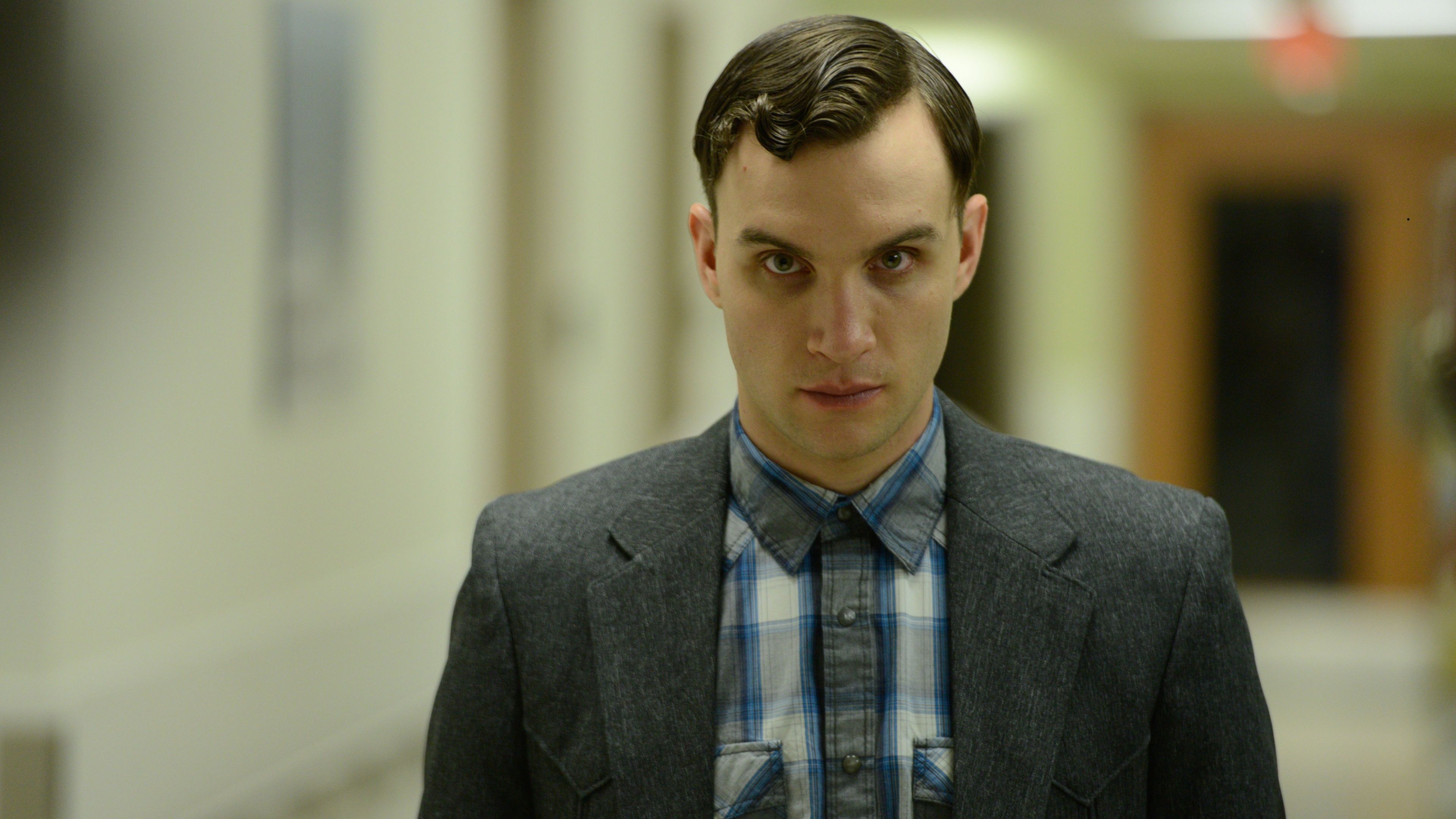
Orphan Black: A Sci-Fi Masterpiece Like Severance and Bourne Identity
This news report explores Orphan Black's unique blend of identity thrillers and sci-fi elements, likening it to Severance and The Bourne Identity.
Umair Bilal’s documentary 'As Light as Air' explores the Sufi community in Sehwan, Pakistan, offering a unique perspective on spirituality and immersion.

In simple terms, director Umair Bilal's documentary, "As Light as Air," has its much-anticipated premiere at the 79th Locarno Film Festival. The film captures the essence of Sehwan, Pakistan, a town known for its Sufi shrine, focusing on the lives of pilgrims and the spiritual atmosphere rather than adhering to traditional narrative structures. This unique approach was detailed in an article by Naman Ramachandran for Variety published on August 9, 2026.
What happened is that Bilal, initially intent on directing a conventional documentary, found himself surrendering to the rhythms of the town. His realization that the film's emotional and visual essence belonged more to Sehwan than his own memories marked a significant turning point in the filmmaking process. "Every time I tried to impose that logic onto Sehwan, it felt like I was working against the place rather than with it," he shared with Variety.
The documentary’s transformation from a structured film to a more immersive experience was gradual. Bilal, along with co-cinematographer Konstantin Stell, adopted an exploratory approach by choosing paths that intuitively drew them in, thus eliminating preconceived notions about the documentary's direction. This method allowed them to capture spontaneous moments within the shrine town, resulting in a 65-minute film that celebrates the ecstatic communal trance known as dhamal.
Bilal emphasizes that the film does not seek to follow conventional storytelling but resembles musical composition—flowing through emotional rhythms instead of structured plots. He appreciates this deviation and resists labeling the film as strictly an experimental documentary, believing such tags can create distance from the viewer.
The sensory fragments that Bilal highlights are vital to the film's narrative; scenes of profound prayer, the aromas of incense, and the warmth of oil lamps contribute to a unique atmosphere. This sensory immersion is designed to make the audience feel part of Sehwan, inviting them to inhabit its spiritual reality rather than driving them with questions about what happens next.
In development, the project attracted an international team for post-production, including collaborators from Berlin and Mumbai. According to Bilal, the relationships formed were organic, arising from shared discussions about cinema and the spirituality depicted in the film.
Bilal addressed the ethical complexities of documenting a spiritual community that does not belong to him. He spent weeks building relationships with local pilgrims before filming commenced. “The camera came after the human connection, not before it,” he asserted, showcasing his commitment to authentic representation.
An intriguing aspect of the film is its omission of direct references to the tragic 2017 ISIS bombing at the Lal Shahbaz Qalandar shrine, instead focusing on the resilience of the Sehwan community. This choice reflects a broader question that Bilal aims to answer in the film—where does Sehwan’s vitality stem from?
The premiere of "As Light as Air" at the Locarno Film Festival positions Umair Bilal as a significant voice in documentary filmmaking, aiming to reshape how audiences engage with cinematic narratives. By exploring Sehwan’s spiritual landscape through a lens of immersion rather than storytelling, Bilal invites viewers to experience rather than simply observe. This innovative approach offers a fresh perspective on how documentaries can go beyond traditional constructions to evoke deeper emotional responses, thereby expanding the possibilities for future documentaries.
For those intrigued by unconventional narrative forms in cinema, Bilal’s documentary serves as a reminder that sometimes the most profound stories are found in the rhythms of life rather than scripted words. It aligns with a global trend in film to focus on sensory experiences and immersive storytelling, paving the way for future works that prioritize emotional engagement over conventional plot development.
Entertainment news
EpisodeBreakdown may use automated tools to assist research, drafting, and formatting. Published pages are governed by our editorial and corrections policies, and source links are shown when they are available in the article record.
Discovery source: Variety. The source identifies where the topic was discovered; EpisodeBreakdown is responsible for the commentary published on this page.
Reader response
Reactions and poll results are based on real reader responses. No account is required.