
‘Magazine’ Premieres at Toronto Film Festival: A Glimpse into NYC's Literary Past
‘Magazine’ showcases a pre-digital era of New York publishing, featuring Lily McInerny in a compelling role at the Toronto Film Festival.
Marco Bechis draws from his experience as a survivor of the 1976 military coup for this story of a political prisoner returning to the site of his torment 30 years later.
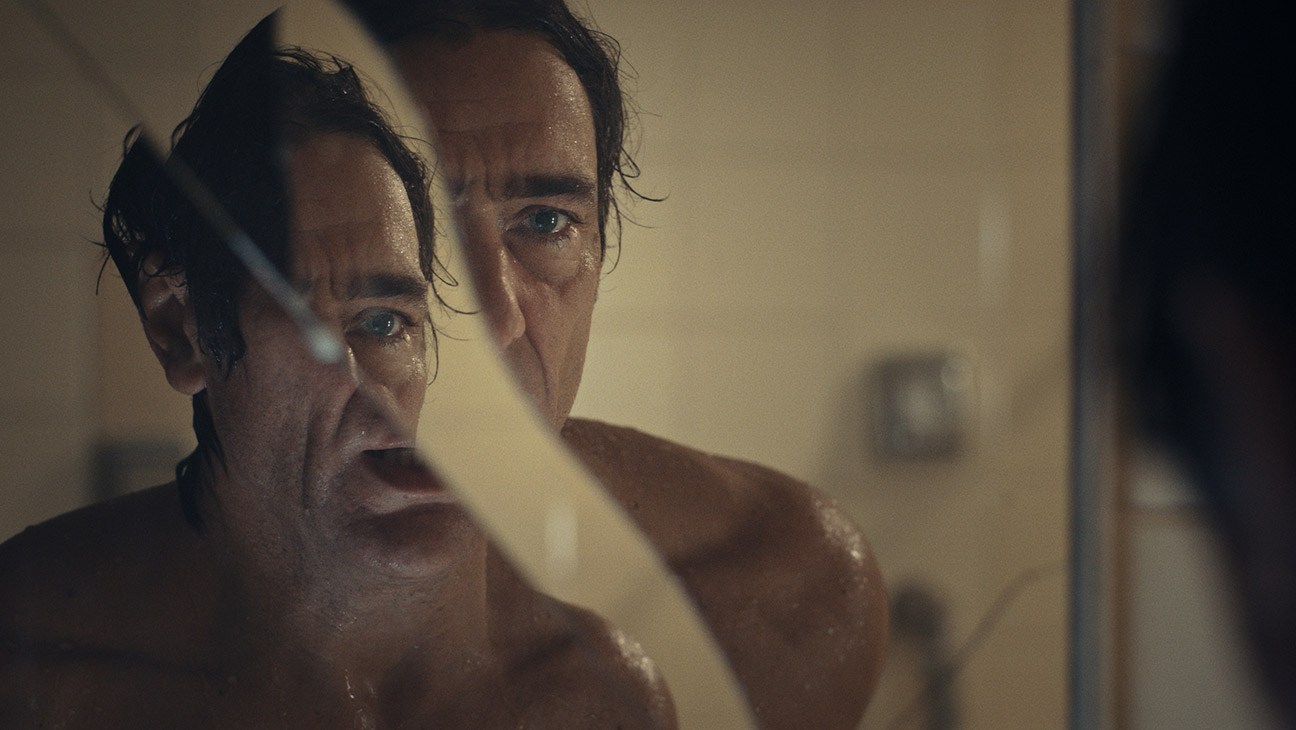
‘Back to Buenos Aires’ premiered at the Venice Film Festival, showcasing the harrowing legacy of Argentina’s military dictatorship from 1976 to 1983. Directed by Marco Bechis, who survived the very turmoil depicted in the film, the story centers on Mariano (Adriano Giannini), a former political prisoner returning to Buenos Aires after three decades. His homecoming is complicated by the psychological scars of his past and the expectation to testify against the military junta members responsible for his suffering.
Marco Bechis' own experiences as a survivor of the brutal regime provide a unique perspective to the narrative. The film opens in Torino, 2008, where we find Mariano, now a paramedic, grappling with his memories. After years of evasion, he is confronted by a summons to testify against his former captors. Initially reluctant, Mariano's journey to Buenos Aires symbolizes a forced reckoning with his traumatic past.
Upon arrival in Buenos Aires, the narrative transitions between the present-day courtroom drama and flashbacks to the 1976 coup. These scenes reveal how he survived as a medic within a notorious prison known for torture, navigating complex relationships with fellow prisoners who view him with disdain due to his past. The emotional weight of shame and guilt permeates Mariano's interactions, as the film poignantly explores the lingering effects of trauma.
While ‘Back to Buenos Aires’ is praised for its emotional gravitas and historical authenticity, critics have pointed out issues with pacing, claiming that it sometimes lacks suspense. However, the depth of Bechis' depiction of psychological trauma evokes a visceral reaction. The gradual unfolding of Mariano's story allows viewers to deeply engage with his internal conflicts and moral dilemmas, particularly during the courtroom scenes where he confronts his demons.
The film serves as a critical commentary on the burden of guilt faced by survivors and the complicating nature of accountability in post-dictatorship societies. ‘Back to Buenos Aires’ is anticipated to resonate with audiences at arthouse cinemas and festivals in Europe and Latin America, driving conversations about memory, trauma, and human rights. It frames a narrative that not only reflects on Argentine history but also invites global audiences to contemplate the implications of resilience amid suffering.
Marco Bechis’ ‘Back to Buenos Aires’ revisits a painful chapter of history through the lens of a survivor. By illuminating the complexities of trauma and the enduring struggle for justice, the film fosters an important dialogue about the past's impact on the present. It emphasizes the necessity of confronting difficult legacies, resonating with audiences as discussions around human rights and memory politics continue to evolve.
For more on impactful films, check out our reviews of ‘Knife: The Attempted Murder of Salman Rushdie’ and ‘Look Back’ starring Furi Nanase.
Entertainment news
EpisodeBreakdown may use automated tools to assist research, drafting, and formatting. Published pages are governed by our editorial and corrections policies, and source links are shown when they are available in the article record.
Discovery source: The Hollywood Reporter. The source identifies where the topic was discovered; EpisodeBreakdown is responsible for the commentary published on this page.
Reader response
Reactions and poll results are based on real reader responses. No account is required.