test
asdasd
Explore the rich history of Batman's animated adaptations, showcasing the evolution of his character across different eras.
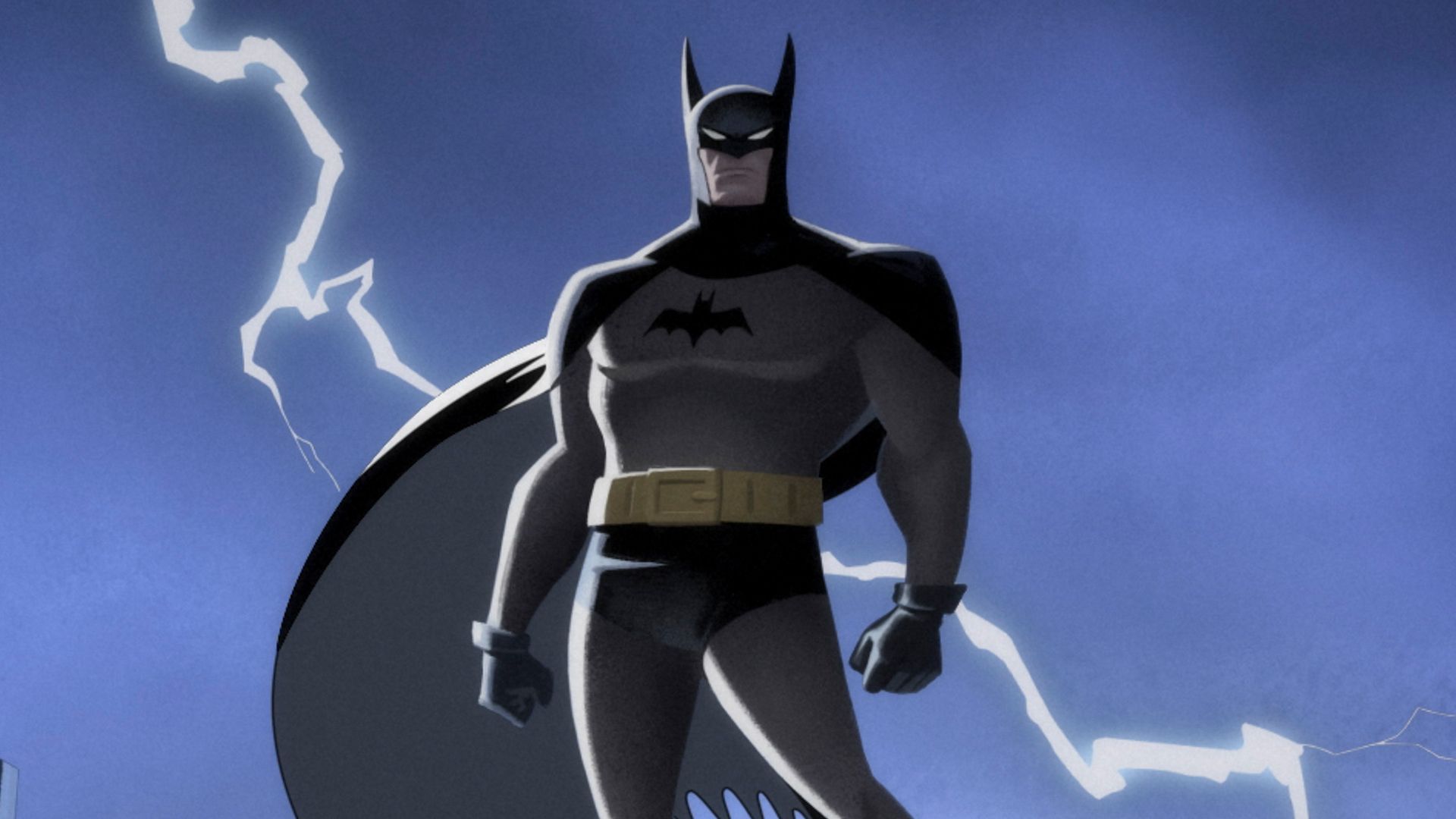
In simple terms, Batman has been a cornerstone of animated television for decades, evolving with the changing landscape of animation and storytelling. This article aims to chronicle every significant Batman cartoon in chronological order, illustrating how the character's portrayal reflects cultural shifts and audience expectations.
The journey begins in the 1960s with the iconic live-action series featuring Adam West. This success sparked animated adaptations, starting with segments in The Batman/Superman Hour, where Olan Soule provided Batman's voice. This early representation set the tone for future adaptations, emphasizing the campy elements of the character.
Following this, The Adventures of Batman transitioned into Batman with Robin the Boy Wonder and eventually paved the way for the Super Friends series in 1973. Although it showcased a broader assortment of heroes, Batman's role remained central, assisting in establishing the Justice League within popular culture. These early animations, while dated by today’s standards, laid the groundwork for all Batman-related cartoons that followed.
The 1990s heralded one of the most beloved incarnations of Batman with Batman: The Animated Series (BTAS). Created by Bruce Timm and Paul Dini, this series differentiated itself through darker themes, nuanced characters, and a groundbreaking art style. BTAS not only introduced memorable villains such as Harley Quinn, but it also established a shared universe that included Superman: The Animated Series and Justice League.
BTAS has been widely regarded as a turning point, elevating superhero storytelling within animated series. Featuring Kevin Conroy as Batman and Mark Hamill as the Joker, the series earned critical acclaim and defined characterizations that would influence generations. The impact of BTAS extends even further, having laid the foundations for The New Batman Adventures, allowing for richer character arcs and expandability of the DC Universe.
Following the success of the animated series, Batman Beyond emerged as a successor that revitalized the franchise by introducing a new protagonist, Terry McGinnis, in a futuristic Gotham. This fresh perspective on the Batman mythos not only attracted a younger audience but also allowed for innovative storytelling grounded in themes like legacy and heroism.
As audiences adjusted to new formats, The Batman debuted in the early 2000s, showcasing modern animation style and focusing on a younger iteration of the D.C. hero. Though distinct from BTAS, this series sought to reintroduce the character in a way that appealed to a new generation. Despite mixed reviews initially, it has since garnered a fan base for its unique take on the iconic hero.
In recent years, Batman's presence in animation has continued to thrive. Titles like Batman: The Brave and the Bold creatively returned to a lighter tone reminiscent of earlier renditions, pairing Batman with lesser-known heroes for whimsical adventures. This series celebrated the breadth of the DC Universe while engaging new audiences with humor and nostalgia.
Furthermore, Young Justice introduced deeper narratives involving Batman acting as a mentor, expanding his influence beyond the solo hero archetype. The show’s continual revival demonstrates the character's relevance across changing cultural landscapes. Recent additions like Batwheels illustrate how Batman continues to adapt, introducing themes suitable for young viewers while reinforcing the franchise's longstanding values.
Batman’s evolution in animated series reflects not only the character's adaptability but also the broader changes within the animation industry and society at large. Each iteration has contributed to the lore and development of Batman, from his portrayal in the light-hearted Super Friends to the serious narratives in BTAS.
The rich history of Batman cartoons invites fans to explore the multifaceted nature of his character. As Batman continues to inspire new generations, the future appears bright, with more stories that bridge the past and present.
For further exploration into Batman's legacy, check out our articles on the cancellation of Batman Beyond's spinoff, The Zeta Project and [the impact of legacy characters in superhero narratives].
The enduring appeal of Batman's animated series shows no signs of fading. While the character has consistently transitioned across various adaptations, each new project brings opportunities for innovation and reinterpretation of this iconic hero. Fans can look forward to new series and specials that will continue to celebrate and redefine Batman’s legacy for future audiences.
Episode breakdown
EpisodeBreakdown may use automated tools to assist research, drafting, and formatting. Published pages are governed by our editorial and corrections policies, and source links are shown when they are available in the article record.
Discovery source: CBR TV. The source identifies where the topic was discovered; EpisodeBreakdown is responsible for the commentary published on this page.
Reader response
Reactions and poll results are based on real reader responses. No account is required.