4 Small-Town Sci-Fi TV Shows Outshine Stranger Things, According to ComicBook.com
ComicBook.com highlights four small-town sci-fi series that surpass Netflix's Stranger Things in storytelling and depth.
The Zeta Project, a spin-off of Batman Beyond, aired for two seasons but lacks the enduring fanfare of its predecessor. Its legacy remains largely unrecognized today.
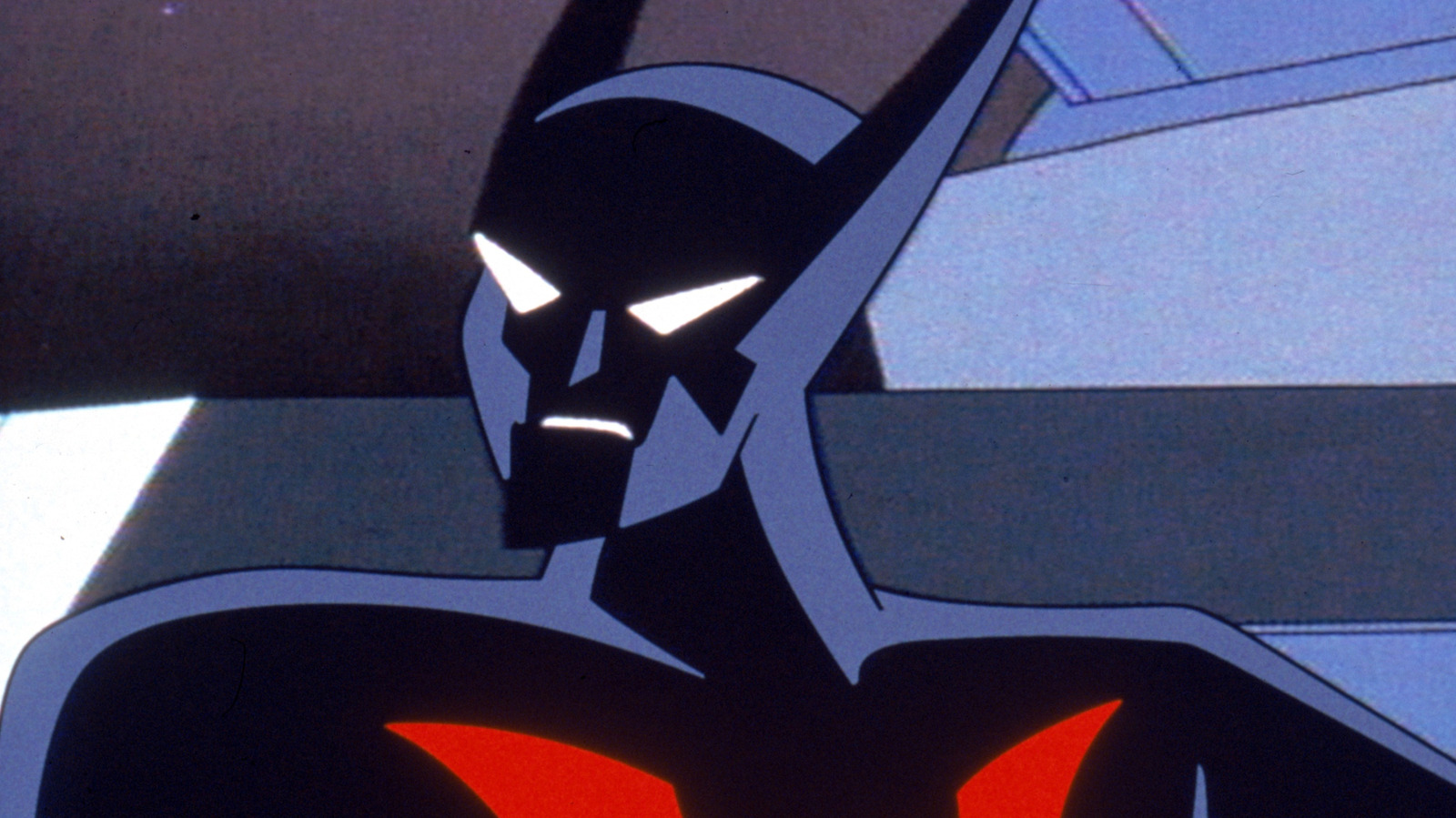
The animated series The Zeta Project was announced as a spin-off of the successful Batman Beyond, which premiered in 1999. This show marked the sixth entry in the DC Animated Universe (DCAU) but has not enjoyed the lasting appeal of many of its contemporaries.
Set years after Batman: The Animated Series, Batman Beyond featured an elderly Bruce Wayne mentoring a new hero, Terry McGinnis. An episode titled "Zeta" introduced a government-constructed robot who defies its original programming and becomes a fugitive in search of a peaceful existence. This character's journey served as the foundation for The Zeta Project.
Over its two-season run, beginning in 2001, The Zeta Project followed a redesigned, more humanoid Zeta as he partnered with a teenager named Ro Rowan. The premise revolved around Zeta's escape from NSA agents intent on recapturing him, exploring themes of identity and the quest for peace. The narrative drew inspiration from film noir classics like Blade Runner but presented a more simplistic visual style, contrasting sharply with the darker tones of its predecessor.
Key cast members included Diedrich Bader, who later voiced Batman in other series, and Michael Rosenbaum as NSA Agent West, shortly before securing his iconic role as Lex Luthor in Smallville.
Despite its ties to Batman Beyond, The Zeta Project encountered significant hurdles. Initially lacking the star power of recognizable characters within the DCAU, the show struggled to establish its identity as a series linked to the Batman legacy. This challenge was compounded by the aftermath of the 9/11 attacks, which shifted network priorities and resulted in pressure to modify the show’s tone and content.
Due to these constraints, series creator Robert Goodman departed as showrunner, and the show ultimately ended in 2002.
Though Batman Beyond remains cherished among fans, The Zeta Project failed to carve out a similar place in pop culture history. It did not leverage the vast fanbase of its predecessor nor foster a recognizable legacy of its own, making it a largely forgotten chapter within the DCAU. The contrast in aesthetic and thematic execution between the two series may have contributed to the public's lack of lasting interest.
Nevertheless, this spin-off represents a noteworthy attempt to explore the evolving themes of heroism and identity within a technologically advanced context.
The Zeta Project serves as a reflection of the challenges faced by spin-off series when they diverge from established narratives and characters that audiences are already invested in. While Batman Beyond thrives as a significant entry in superhero animation, the ultimate fate of The Zeta Project highlights the delicate balance between creative innovation and audience connection. As media continues to evolve, the lessons from its production history may offer insights for future adaptations within the superhero landscape.
Entertainment news
EpisodeBreakdown may use automated tools to assist research, drafting, and formatting. Published pages are governed by our editorial and corrections policies, and source links are shown when they are available in the article record.
Discovery source: TVLine. The source identifies where the topic was discovered; EpisodeBreakdown is responsible for the commentary published on this page.
Reader response
Reactions and poll results are based on real reader responses. No account is required.