test
asdasd
Batman: Caped Crusader Season 2 features the Mad Monk, one of Batman's earliest villains, in a chilling cult narrative intertwined with Gotham's mythos.
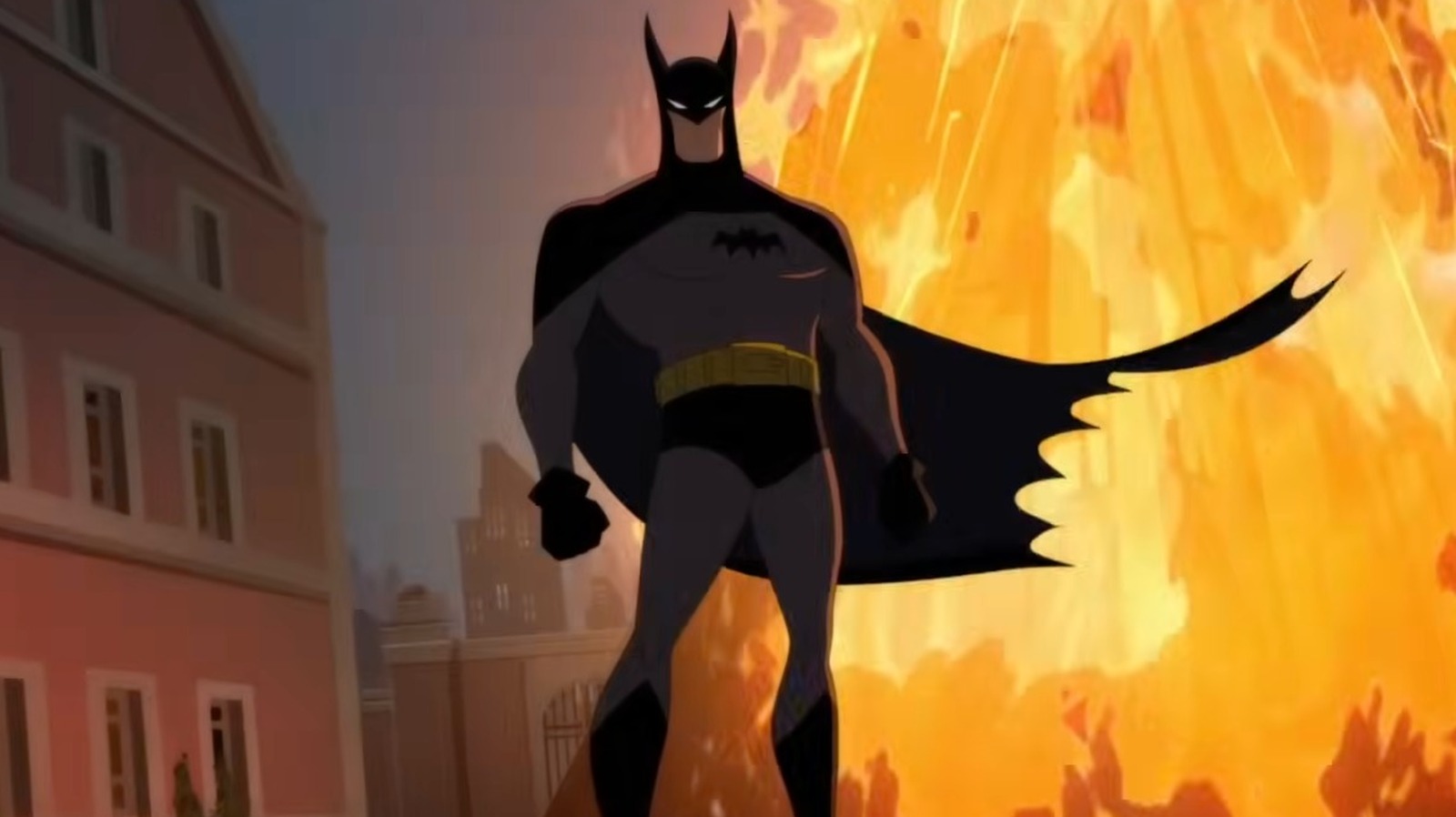
In simple terms, Season 2 of Batman: Caped Crusader shines a spotlight on one of the earliest antagonists from the Batman universe: the Mad Monk. This marks a significant moment in comic book history as it showcases a villain who debuted back in 1939, predating many of Batman’s more famous foes like the Joker and the Riddler. The revelation is both nostalgic and compelling, providing deeper context to Batman's early adventures.
What happened is that the Mad Monk has come to life in Caped Crusader as the sinister leader of a cult worshipping the bat god, Barbatos. In this narrative, the Monk uses his supernatural persona and the myth surrounding Barbatos to manipulate his followers in Gotham. This episode not only ties deeply into Batman's history but also expands the darker elements of the lore surrounding Gotham City.
The original Mad Monk first appeared in Detective Comics #31, penned by Bob Kane and Gardner Fox. His character was introduced as a genuinely supernatural villain—a vampire with the ability to shapeshift into a wolf. This character stood apart from many subsequent villains in that era, who were often drawn from psychological or crime-related backgrounds.
In the current series, the Monk adopts a more modern twist. While still embodying cult-like traits, he’s depicted as a fraud, more focused on swindling his followers rather than upholding any actual supernatural power. This shift allows the show to reflect contemporary themes of demagoguery and manipulation in our society, as seen with various influencers in today's media landscape.
In the episode titled “The Devil's Due,” the Monk presents Barbatos not just as a villainous entity but also as a symbol of the dark urban legends embedded in Gotham’s history. Readers familiar with the lore will recognize Barbatos from storyline arcs like Batman: Dark Knight, Dark City, which relate Gotham's origins to this malevolent figure. The rich tapestry of Gotham’s history is further developed in Caped Crusader, instilling a sense of foreboding about the city itself—a place where darkness thrives.
Despite the Monk’s claims, it’s clear that the show leans into skepticism regarding the existence of Barbatos, showcasing a more relatable form of evil through the character’s opportunistic behavior. The twist that the Monk doesn’t believe in the very myth he exploits aptly illustrates the dangers of charismatic authority figures, akin to the cult-like leaders seen in real life.
The cult led by the Monk believes that they need Batman’s blood to summon Barbatos, which not only grants Batman a compelling storyline but also resonates with ongoing discussions about fervent followers and the consequences of blind faith. Throughout the episode, various dynamics are explored, including the Monk’s manipulation of Hattie Tetch, a sensational talk show host who utilizes mass media to turn public opinion against Batman.
By merging the Monk’s depictions with modern-day parallels, the series conveys the message that corruption exists in many forms, whether it be through religion or media sensationalism.
While the Mad Monk embodies many elements of horror and superstition, Caped Crusader does an admirable job steering the narrative towards the real hazards of leadership and belief systems. Although the Monk’s quest for power parallels themes of vampirism and supernatural control, it ultimately serves as a commentary on charismatic manipulation in contemporary societies.
Moreover, the episode’s portrayal of cult dynamics gives depth to Batman’s struggle against foes who represent more than just physical threats but societal cancers emanating from misinformation and deception.
Batman: Caped Crusader Season 2 stands out for integrating historical villainy with contemporary issues, making the Mad Monk a vessel for exploring deeper societal themes. With its rich Gothic aesthetics, the series continues to captivate audiences by blending nostalgia with critical modernity—an approach that is sure to resonate with both longtime fans of Batman and new viewers captivated by its storytelling prowess.
With the Mad Monk's entry into the animated realm, it enhances our understanding of Gotham's dark mythos and serves as a reminder of how easy it can be to manipulate the desperate and the hopeful, echoing the real-world phenomena that plague society today.
For more insights into the evolving world of Gotham, check out our analyses of It: Welcome to Derry and The Batman: Part II.
Episode breakdown
EpisodeBreakdown may use automated tools to assist research, drafting, and formatting. Published pages are governed by our editorial and corrections policies, and source links are shown when they are available in the article record.
Discovery source: Slashfilm. The source identifies where the topic was discovered; EpisodeBreakdown is responsible for the commentary published on this page.
Reader response
Reactions and poll results are based on real reader responses. No account is required.