test
asdasd
Explore the standout villains in Season 2 of Batman: Caped Crusader and the one that missed the mark.
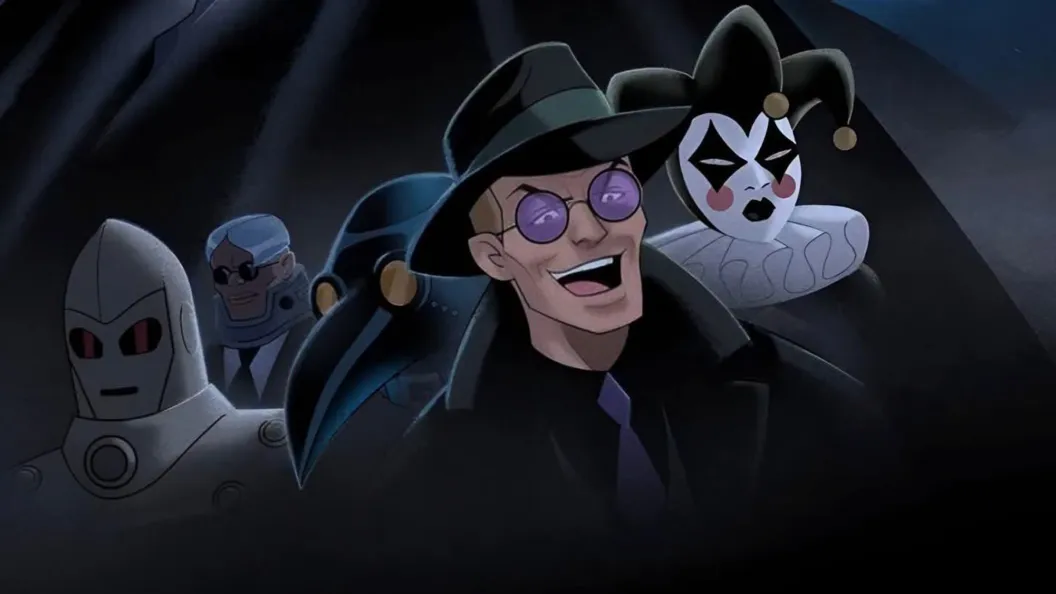
In simple terms, Season 2 of Batman: The Caped Crusader revitalizes several classic villains while introducing fresh concepts that fit its noir aesthetic. This article breaks down five standout antagonists, highlighting how they align with and diverge from their comic counterparts. Additionally, we’ll explore one character who failed to resonate, marking a disappointing choice for the season's narrative.
The Mad Monk is an intriguing character in Season 2, serving as a cult leader who initially draws Batman's attention. Unlike many villains, the Monk’s backstory as one of Batman's earliest adversaries adds a historical weight to his character. This version exploits a cleverly updated narrative where he manipulates a cult, devoid of supernatural powers, revealing himself to be merely a charlatan. This reinterpretation not only provides depth but aligns perfectly with the thematic currents in Caped Crusader, showcasing Gotham's darker underbelly. For more about the evolution of Batman's rogues, check out our guide on exploring Batman's legacy in other media.
Another standout character in this season is Thorn, a lesser-known figure in the Batman universe. Initially thought to be a mere spin-off of Poison Ivy, Thorn’s history is indeed rich, dating back to 1947. In this incarnation, her motivations are driven by personal loss rather than superpowers, providing a fresh angle on the narrative. The visceral connection to the Riddler’s actions adds layers to her character, making it easy for viewers to invest emotionally. This nuanced portrayal makes her an unexpectedly compelling addition to the roster. For deeper insights into DC characters, see our detailed timeline of Batman's villains.
Redefining the Mad Hatter as a narcissistic television icon presents an innovative twist. Hattie Tetch, unlike her comic counterpart, infuses elements reminiscent of reality TV, which fits neatly into the show’s noir setting. This transformation mirrors the Penguin's reimagining from earlier seasons, showing that the series excels in reinventing established characters appropriately. While her presence is brief due to plot developments, she injects an intriguing dynamic to the ensemble, showcasing the show's ability to play with genre conventions.
Jim Corrigan’s return is pivotal, rendering one of the more powerful arcs in Caped Crusader. In this version, his journey diverges from the traditional route, as he becomes the Spectre not through divine intervention but via experimental procedures. This change adds a layer of tragedy to his character while still exploring themes of vengeance and forgiveness. Fans of the source material might appreciate how this rendition keeps the essence of the character intact while addressing deeper philosophical questions. To explore more on character transformations in media, refer to our analysis of the Spectre's evolution in comics.
The Joker, reintroduced with a sinister twist, is arguably the most unconventional representation seen in a while. This version strips away much of the humor typically associated with the character, opting instead for a portrayal that leans heavily into the macabre. The introduction of a unique accent and a more serious demeanor compels both Batman and the audience to view him through a different lens. This representation has sparked conversations about how reimagining classic villains can breathe new life into their story arcs.
Among the notable characters, Eddie Nygma—the Riddler—falls flat in this season. Unlike his traditional persona known for intricate puzzles and clever machinations, this iteration relies on brute force and greed. The absence of riddles significantly detracts from the character’s intrigue, making his presence less impactful compared to the other villains. This seemingly superficial alteration misses the essence that has made Riddler an engaging adversary through the decades. For fans seeking to understand character dynamics better, take a look at our piece on DC's exploration of villains and anti-heroes.
Batman: The Caped Crusader Season 2 successfully reinvents many beloved villains, from introducing compelling new character arcs to reimagining well-established figures. While the portrayal of some characters, like Eddie Nygma, exemplifies what doesn't work in character development, others like the Joker and Thorn demonstrate how fresh interpretations can elevate narrative complexity. With a mix of triumphs and shortcomings, the season challenges the audience's understanding of these iconic rogues. Ultimately, this season reaffirms that good storytelling can emerge from both innovation and critical revisits of established lore.
Story breakdown
EpisodeBreakdown may use automated tools to assist research, drafting, and formatting. Published pages are governed by our editorial and corrections policies, and source links are shown when they are available in the article record.
Discovery source: ComicBook.com. The source identifies where the topic was discovered; EpisodeBreakdown is responsible for the commentary published on this page.
Reader response
Reactions and poll results are based on real reader responses. No account is required.