test
asdasd
Explore the most memorable fight scenes in Marvel TV series, showcasing character depth and emotional stakes.
Explore the franchise
Marvel TV shows have produced some of the most iconic and memorable fight scenes in the superhero genre. In simple terms, the best fight scenes don’t just wow audiences with choreography; they also reveal the emotional stakes and character depth behind each blow. From the face-offs between beloved heroes to tense emotional confrontations, these sequences are pivotal moments that enhance the viewing experience across different series.
The fights mentioned in several Marvel TV shows are a blend of stunning visuals, compelling choreography, and powerful storytelling. This combination captures the essence of what makes Marvel’s characters resonate with audiences. Each battle serves a purpose beyond mere action, often revealing the internal struggles and motivations of the characters involved.
One powerful example is found in the season finale of Loki, where Loki (Tom Hiddleston) confronts his female variant, Sylvie (Sophia Di Martino). Their emotional clash takes place at the Citadel at the End of Time as they grapple with the ramifications of killing He Who Remains (Jonathan Majors). This is not just a physical duel; it is a poignant battle of ideals that captures the heart of the Multiverse Saga. The moment is layered with tension and emotional weight, elevating a simple sword fight into a moment that defines the series.
Another notable battle occurs in The Falcon and the Winter Soldier, particularly in episode 5. Sam Wilson (Anthony Mackie) and Bucky Barnes (Sebastian Stan) join forces against the imposter Captain America, John Walker (Wyatt Russell). The fighting choreography stands out as it highlights their teamwork and the tension built throughout the series. This moment underscores Sam’s emotional journey and validates his heirship to the Captain America mantle. The choreography becomes a physical manifestation of their emotional growth, pushing the series beyond conventional superhero narratives.
In Jessica Jones, the fight scene where Jessica (Krysten Ritter) must battle Luke Cage (Mike Colter), who is under Kilgrave's (David Tennant) control, adds an emotional layer to the action. The silhouettes, set against a purple hue reminiscent of Kilgrave’s influence, serve both an aesthetic and narrative purpose. This confrontation isn’t just a battle between two powerful individuals; it’s a painful engagement between lovers caught in a web of external manipulation. The fight culminates in a moment of desperation from Jessica that amplifies the scene’s emotional impact, making it one of the most memorable in Marvel television history.
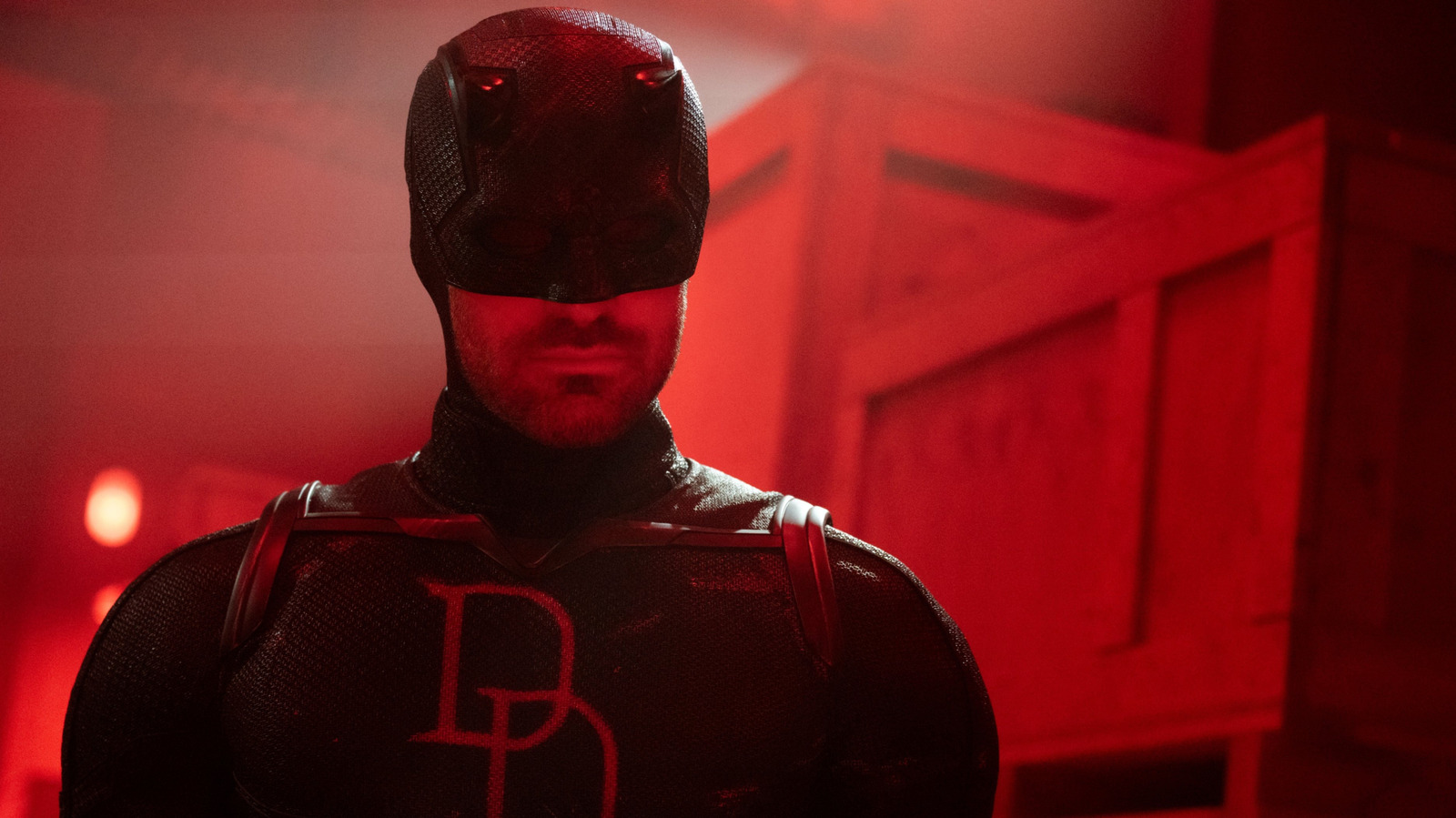
The Echo series also boasts a thrilling moment where Daredevil makes a pivotal appearance. The one-shot sequence featuring a fierce clash of combat between Maya (Alaqua Cox) and Daredevil (Charlie Cox) showcases incredible choreography and visual storytelling. From the moment of Daredevil’s entrance to their intense moments of parallel struggle, this scene serves as fan service while also solidifying the show's action credibility. It captures the intricate dance of martial arts without excessive visual effects, proving the power of well-constructed fight scenes in conveying story depth.
The character Frank Castle, portrayed by Jon Bernthal in Daredevil, showcases perhaps one of the most brutal fights in television history. The prison fight scene in Season 2 emphasizes not only Castle’s physical prowess but his dark motivations stemming from his tragic backstory. This action sequence does more than entertain; it underscores a fundamental aspect of his character: a relentless quest for vengeance against those who have wronged him. The bloody mayhem that ensues ultimately sets a high bar for portraying violence in superhero adaptations, making Castle's actions impactful within the greater narrative.
In Hawkeye, the climactic fight at the Rockefeller Center merges humor and action, culminating in a sequence where Clint Barton (Jeremy Renner) and Kate Bishop (Hailee Steinfeld) showcase their witty banter while battling the Tracksuit Mafia. The memorable use of trick arrows invigorates a festive atmosphere, making the fight not only thrilling but also deeply enjoyable. Its lightheartedness counterbalances the more serious themes elsewhere in the narrative, giving audiences a well-rounded experience.
WandaVision also features a significant fight that stands out for its theatrical flair. The final confrontation between Wanda (Elizabeth Olsen) and Agatha Harkness (Kathryn Hahn) showcases chaotic magic and emotion, embodying Wanda’s struggle to reclaim her powers. This climactic battle, filled with visual ingenuity and dynamic effects, embodies the creative risks taken in the series, culminating in a visually striking representation of empowerment.
What is most compelling about these scenes is not just the action itself, but how they resonate with the characters and the viewers alike. Every punch thrown and sword swung adds layers to the narrative, enriching the overall storytelling across the Marvel television universe.
The best fight scenes in Marvel television serve as a testament to the medium's ability to combine action with emotional storytelling. While the choreography and visuals are undeniably crucial, it’s the underlying character dynamics and stakes that elevate these moments into memorable cinematic experiences. With each engaging battle, Marvel continues to prove that action and emotion can coexist, providing not only an adrenaline rush but also deep character connections that resonate with fans. As Marvel expands its universe further, it will be interesting to see how future fight scenes continue to evolve and impact storytelling.
For more insights into Marvel storytelling, check out our articles on Marvel Tōkon: Fighting Souls Ending Explained and Exploring the Best Book Series of All Time.
Story breakdown
EpisodeBreakdown may use automated tools to assist research, drafting, and formatting. Published pages are governed by our editorial and corrections policies, and source links are shown when they are available in the article record.
Discovery source: TVLine. The source identifies where the topic was discovered; EpisodeBreakdown is responsible for the commentary published on this page.
Reader response
Reactions and poll results are based on real reader responses. No account is required.