test
asdasd
Betty White's sitcom 'Life With Elizabeth' was unexpectedly canceled due to its immense popularity, leading to a historical television anomaly.
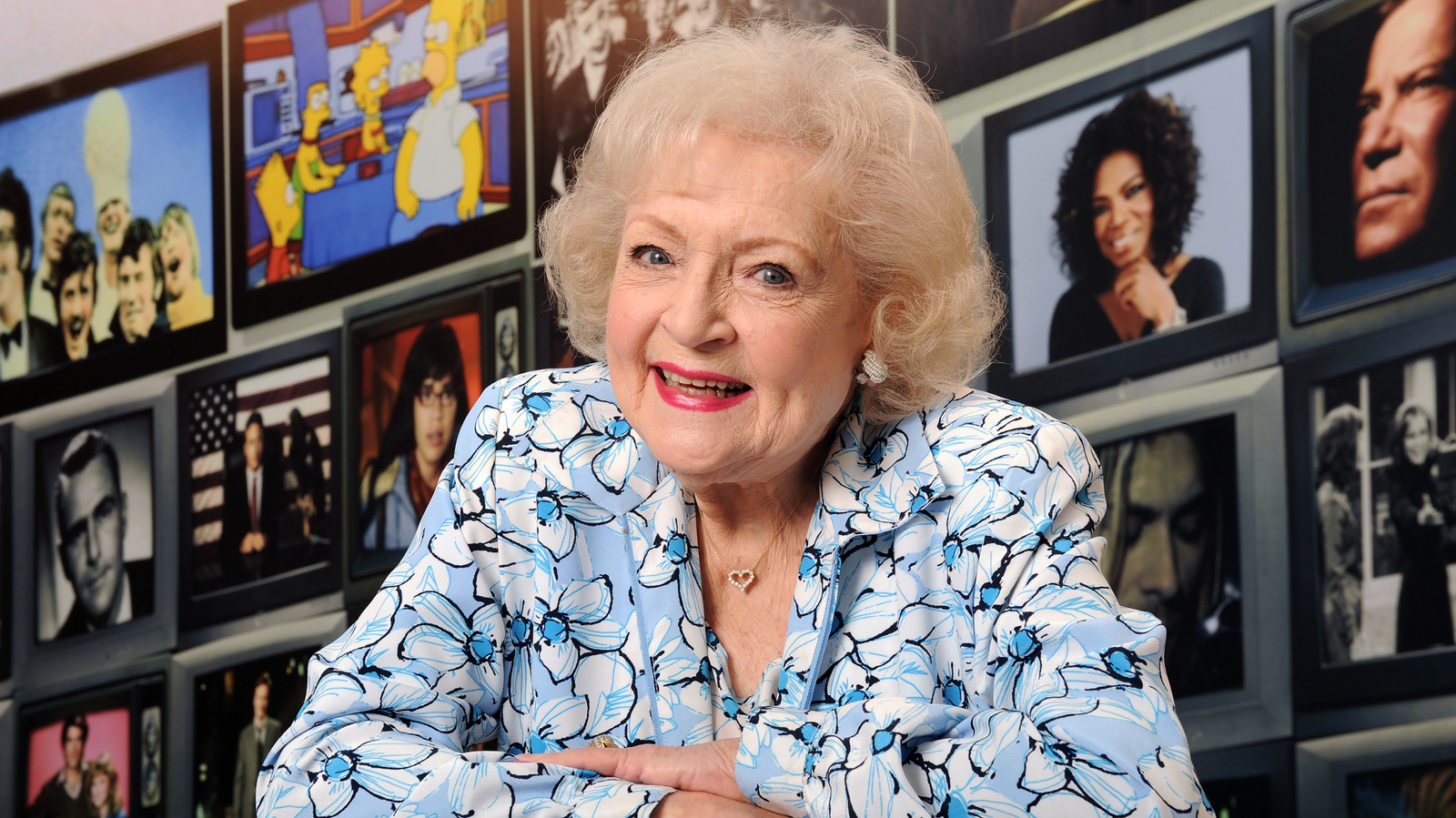
In simple terms, the cancellation of Betty White’s first sitcom, "Life With Elizabeth," was a peculiar situation where its success ultimately led to its downfall. When the show gained traction and entered syndication, the producers feared oversaturation, halting new episodes despite its growing fanbase. This unusual decision raises questions about the dynamics of television programming in the 1950s.
"Life With Elizabeth" originally debuted in 1952 on a local Los Angeles station, KLAC. The sitcom starred Betty White as Elizabeth, alongside her fictional husband, Alvin, portrayed by Del Moore. The show was notable for its unique format, showcasing the everyday adventures of this couple.
The series quickly garnered attention, leading to Betty White receiving a Los Angeles area Emmy award for her performance. After gaining popularity, Guild Films took over, producing episodes that could be sold to other networks. This transition played a vital role in the show's eventual fate.
What happened is that within two years, "Life With Elizabeth" had an impressive 65 episodes produced. Its popularity skyrocketed, and stations across the nation were eager to purchase and air the episodes. However, the production team worried that creating additional episodes might dilute the show's value, interpreting it as a risk for revenue generation.
As a result, they decided to stop making new episodes while the show was still thriving. This decision stands out as an extraordinary case in television history, where a show was effectively canceled while still in its prime.
This choice had immediate implications. Television stations eventually became tired of repeatedly airing the same episodes, leading to a decline in interest and viewership. While some sitcoms from that era, such as "I Love Lucy," remain iconic and recognizable, "Life With Elizabeth" faded into relative obscurity.
The decision to halt production is often cited as an extreme example of corporate caution in the entertainment industry—a testament to how fear of oversaturation could stifle creativity. The producers’ dilemma illustrates how unpredictable television success can be.
For Betty White, filming "Life With Elizabeth" was not without its drawbacks. In hindsight, she expressed that the transition from a live format to a filmed show changed the atmosphere significantly. She commented on this disparity in her reflections, specifically pointing out how the filming process altered the comedic timing, making it less vibrant than the live performances.
Despite its premature end, White's career flourished post-"Life With Elizabeth." She went on to have stints in highly revered shows, including "The Mary Tyler Moore Show" and earning accolades for her role in hosting "Saturday Night Live" in 2010.
The mixed legacy of "Life With Elizabeth" illustrates both a success story and a cautionary tale. While it cemented White's place in television history, it also raised critical questions about how audiences consume media. Unlike some of her contemporaries, White navigated her career with remarkable versatility, leading to a lasting imprint on the television landscape.
Betty White’s career and legacy transcend her early sitcom, as she embodied evolving roles throughout her life and remained a beloved figure until her passing.
While "Life With Elizabeth" stands out due to its peculiar cancellation, it prompts comparisons with other shows that experienced similar trajectories due to fluctuating audience interest and studio decisions. For instance, the late shifts in network programming strategies often leave fans questioning the longevity of their favorite shows, similar to what happened with shows like "Ted Lasso" and other popular projects.
For a deeper dive, readers can explore articles like Ted Lasso Season 3 Recap: What To Remember Before Season 4 or Tom Holland’s 'The Crowded Room': A Major Apple TV Misstep to understand how the industry responds to content saturation.
The legendary story of Betty White's first sitcom highlights a fascinating perspective on television history. It raises lasting questions about the economics of show production, audience engagement, and creative risks in television development. Although "Life With Elizabeth" remains overshadowed by shows with longer footprints, its unique cancellation exemplifies an era of television that continues to evolve. Classroom discussions about this anomaly remain, reflecting on how success can sometimes eerily lead to an unexpected end in the entertainment industry.
Episode breakdown
EpisodeBreakdown may use automated tools to assist research, drafting, and formatting. Published pages are governed by our editorial and corrections policies, and source links are shown when they are available in the article record.
Discovery source: TVLine. The source identifies where the topic was discovered; EpisodeBreakdown is responsible for the commentary published on this page.
Reader response
Reactions and poll results are based on real reader responses. No account is required.