M. Night Shyamalan's Comeback: 11 Years Since The Visit's Release
M. Night Shyamalan marked 11 years since the release of The Visit, a pivotal film that rejuvenated his career.
The latest report suggests Dark Horse Comics' Black Hammer may succeed where others have failed in superhero narratives.
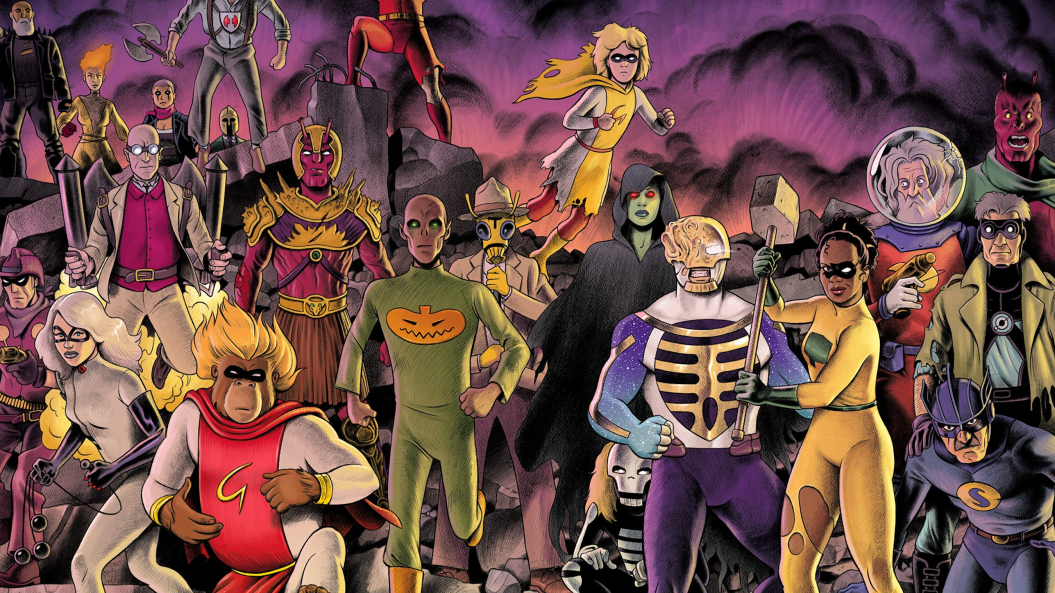
ComicBook.com recently highlighted that Dark Horse Comics’ Black Hammer could represent the next evolution in cinematic superhero storytelling. In an entertainment landscape saturated with superhero narratives from Marvel and DC, as well as various indie adaptations, Black Hammer stands out for its unique blend of characters and storytelling possibilities.
Superhero films have been experiencing a notable decline in momentum. Historically, properties like Superman and Batman paved the way for blockbuster franchises, but the current landscape is markedly different. By 2026, even the once-mighty Marvel Cinematic Universe (MCU) is struggling to maintain its prior critical and commercial success. Meanwhile, the DC universe has had its own share of ups and downs, failing to achieve the consistency that once characterized the MCU.
Black Hammer was created by writer and artist Jeff Lemire, who first conceptualized it in 2014 after gaining traction in the industry. The comic series debuted in 2016, swiftly garnering fan and critical attention. The story centers around a collection of pastiche superheroes, each combining features from iconic characters across the American comics landscape. For example, Abraham Slam serves as a costumed vigilante reminiscent of classic wartime heroes, while Barbalien provides a modern twist on the Martian hero archetype.
Noteworthy characters include Golden Gail, who embodies the struggles of being trapped in a child’s form, and Madame Dragonfly, a darker twist on the superhero motif. These intriguing characters are set in a world where they must discover their true identities, creating a narrative ripe with potential for adaptation into other media formats.
As superhero stories pivot towards more mature themes, Black Hammer has been noted for striking a balance between traditional superhero thrills and deeper, more relatable experiences. Comparatively, popular series like Invincible and The Boys have introduced brutal aspects to reformulate the superhero genre, providing audiences a fresh perspective. However, Black Hammer, while not shying away from complexity, encapsulates a broad spectrum of themes that resonate with various audiences.
The universe created by Black Hammer is detailed and expansive, showcasing potential for both large-scale cinematic releases and serialized television formats. Unlike the myriad of superhero films that have emerged, Black Hammer promises an innovative take—drawing from decades of comic history and artistry, all while aiming to deliver a cohesive and engaging universe.
Black Hammer appears to be uniquely positioned to revitalize the superhero genre, potentially drawing audiences back to theaters and living rooms alike. While the ramifications of this emerging universe have yet to be fully realized, the creativity and depth offered by the source material indicate a promising future for superhero narratives that prioritize character development and emotional depth alongside action. As fan expectations evolve, adaptations like these may serve as a blueprint for upcoming releases.
For more about superhero cinematic ventures, check out our insights on the best Dracula movie you probably haven’t seen and King Ghidorah’s expected return in Toho's Godzilla Minus Zero.
Entertainment news
EpisodeBreakdown may use automated tools to assist research, drafting, and formatting. Published pages are governed by our editorial and corrections policies, and source links are shown when they are available in the article record.
Discovery source: ComicBook.com. The source identifies where the topic was discovered; EpisodeBreakdown is responsible for the commentary published on this page.
Reader response
Reactions and poll results are based on real reader responses. No account is required.