The Pagemaster: A 1994 Box Office Bomb That Became a ‘90s Classic
Despite underperforming at the box office, The Pagemaster became a nostalgic classic for ’90s kids, emphasizing the magic of reading.
The debate on which version of Ridley Scott's *Blade Runner* is best has captivated fans for 34 years since the release of its Director's Cut.
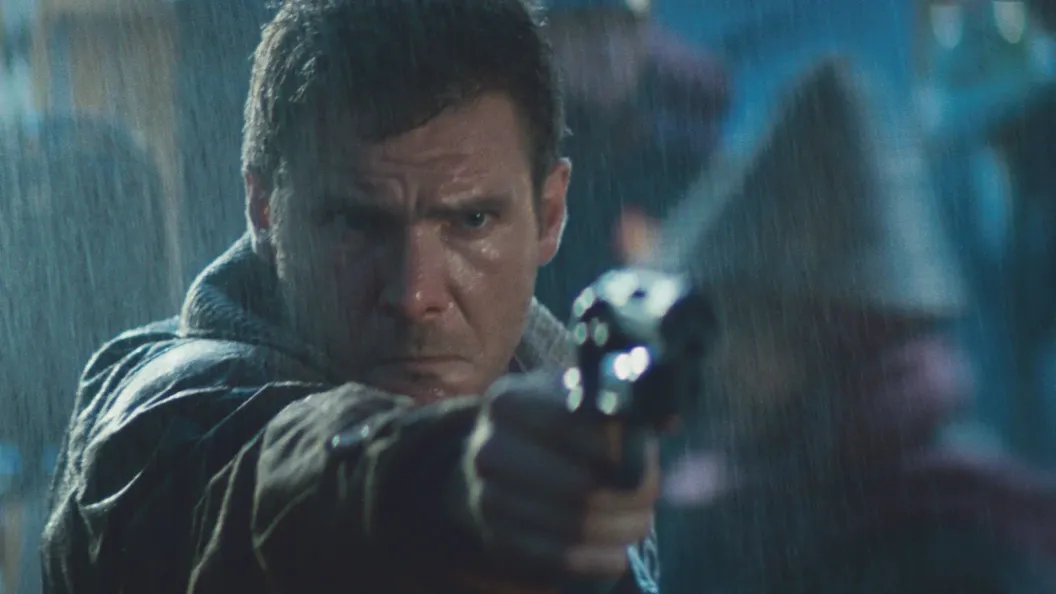
Today marks 34 years since the release of Ridley Scott's Blade Runner Director's Cut, and the debate over which version of this iconic sci-fi film is best remains fiercely contested. Since its original release in theaters in 1982, Blade Runner has spawned discussions that delve into film theory, audience engagement, and directorial intent, igniting passion among fans in a way few films manage to achieve. Initially inspired by Philip K. Dick's novel Do Androids Dream of Electric Sheep?, it was the Director's Cut release on September 11, 1992, that truly ignited debate around its various iterations.
Initially, audiences reacted negatively to Scott's original dark ending during test screenings. The studio mandated a new ending featuring Rick Deckard and Rachael fleeing Los Angeles, along with a voiceover that undermined the film's layered narrative. This original version dominated viewings for over a decade, contributing to mixed reviews and disappointing box office sales. However, as interest in Blade Runner grew—especially following unofficial screenings of an earlier workprint version—the release of the Director's Cut allowed viewers to experience a version that eliminated the happy ending and voiceover. Instead, this cut explores deeper thematic elements, reviving powerful visuals like the unicorn motif, which resonates throughout the film's lore.
The controversy came to a head again with the release of Blade Runner: The Final Cut on October 5, 2007. This version, over which Scott had complete control, runs slightly longer than the Director's Cut and intensifies violence and visuals for a grittier effect. With three different cuts now available, fans are divided over which one newcomers should watch first. Many argue that the Final Cut represents the ultimate realization of Scott's vision, while others contend that it introduces unnecessary changes to an already revered work. This division echoes the ongoing debates surrounding the special editions of Star Wars, highlighting how fan devotion often sparks contrasting opinions on 'definitive' versions.
As Blade Runner continues to stream across various platforms, the challenge for new viewers lies in navigating its multiple cuts. Determining which version to watch can be daunting, especially as availability shifts frequently. Longtime fans often find themselves split into factions, each passionately defending their preferred cut as the 'true' representation of the film's narrative and themes.
The enduring debate surrounding Blade Runner underscores the profound impact of Ridley Scott's adaptation on both sci-fi cinema and fan culture. Its complex history, marked by diverse cuts and versions, has solidified its status as a cult classic while fostering ongoing conversations about the essence of storytelling in film. The question of which version to view first is still left to each individual viewer. Ultimately, this debate illustrates the intricate relationship between the film and its audience interpretation, ensuring that Blade Runner remains a significant milestone in cinematic history. As discussions continue, fans can expect to revisit these themes for many years to come.
Entertainment news
EpisodeBreakdown may use automated tools to assist research, drafting, and formatting. Published pages are governed by our editorial and corrections policies, and source links are shown when they are available in the article record.
Discovery source: ComicBook.com. The source identifies where the topic was discovered; EpisodeBreakdown is responsible for the commentary published on this page.
Reader response
Reactions and poll results are based on real reader responses. No account is required.