test
asdasd
Discover the reasons behind the cancellation of the 'Breaking Away' series, a prequel to the Oscar-winning film, despite its promising premise.
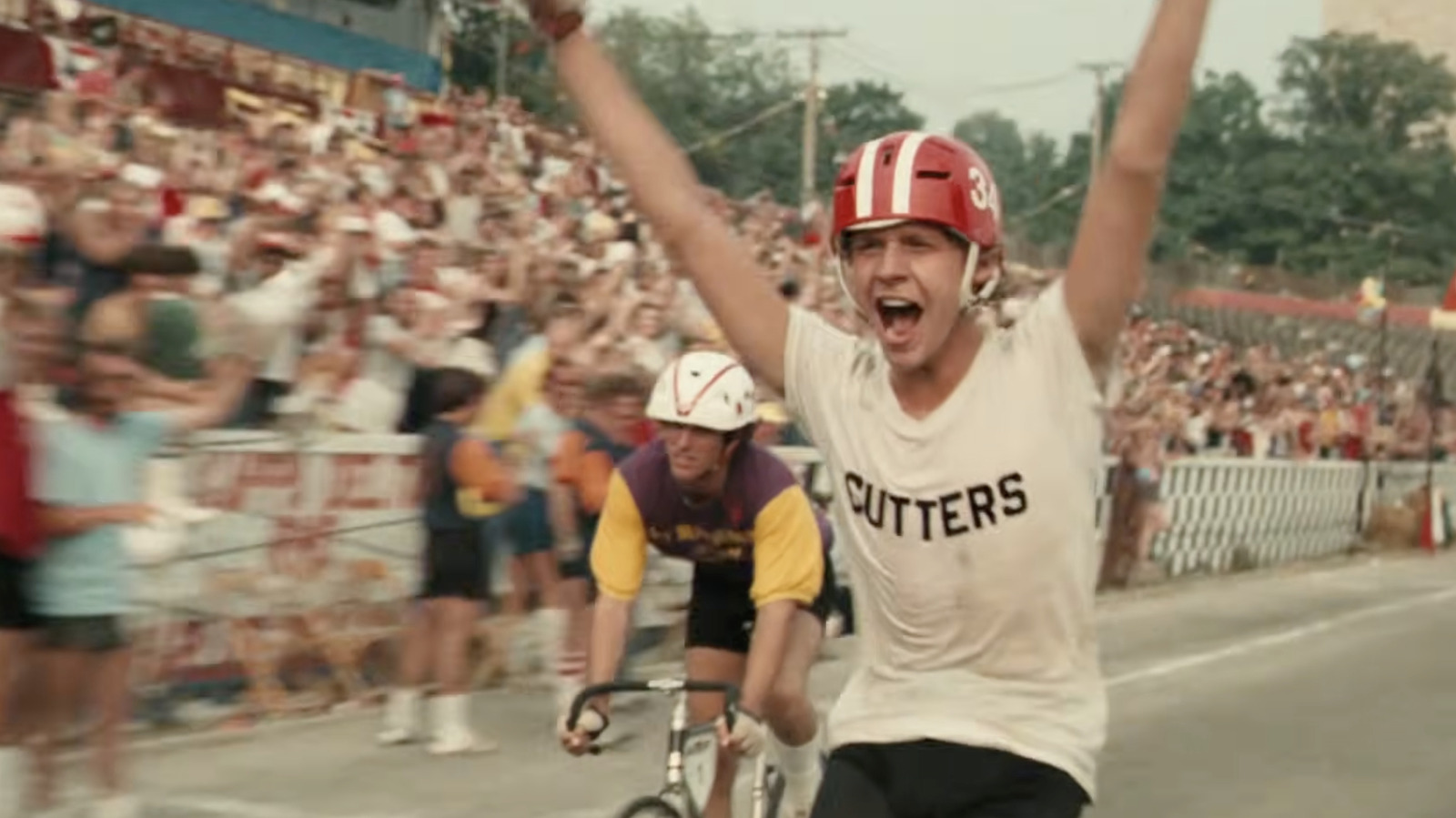
In simple terms, the TV adaptation of the Oscar-winning film Breaking Away faced steep challenges that ultimately led to its cancellation after just seven episodes. Though the original 1979 movie captivated audiences and won an Academy Award for Best Original Screenplay, the 1980 ABC series failed to translate that success into lasting viewer engagement. Here is what is confirmed:
The Breaking Away movie, a coming-of-age story about a young cyclist named Dave, had all the makings of a classic. Its ability to resonate with audiences came from relatable themes of ambition and friendship. However, when the show premiered on November 29, 1980, it faced the monumental task of living up to its predecessor.
Breaking Away originated from the creative vision of Steve Tesich, the Oscar-winning screenwriter who adapted his own work into the television format. The original story revolved around a high school senior in Indiana whose dream of becoming a competitive cyclist drives his relationships and aspirations. Despite the movie’s success and critical acclaim, the task of replicating that magic on TV proved to be daunting.
Only three key actors returned for the television series, among them Jackie Earle Haley and Barbara Barrie, with Barrie even garnering an Emmy nomination for her performance. Actor Shaun Cassidy was cast to replace Dennis Christopher as the lead, but the transition did not meet audience expectations. Cassidy’s performance was criticized in various reviews, including one from the Kentucky New Era, which pointed out that while the show had potential, it ultimately fell short.
Despite decent reviews initially, Breaking Away struggled to attract an audience. It aired in a non-competitive time slot but simply could not capture the interest of viewers. As the show progressed, its ratings dipped, and so did the network's confidence. ABC ultimately made the decision to cancel the series after airing just seven of the eight produced episodes.
The network's choice to end the show came after Cassidy's earnest plea to audiences to support the series aired as part of its promotion. Unfortunately, the efforts were futile, and the series finale aired on January 10, 1981, leaving fans and creators alike disappointed. What was once viewed as a promising prequel had to bow out shortly after its inception.
A post-mortem examination by media outlets, including the Madison Courier, suggested that the cancellation wasn't rooted in a lack of quality. They acknowledged the series's good creative pedigree, noting that it wasn't competing against popular programming in its time slot. So why, then, did it fail to capture viewer attention?
The answer seems to lie in its inability to resonate at the same emotional level as its predecessor. While the original movie struck a chord through its relatable storytelling and character development, the series lacked the same depth and engagement. In addition, the change in lead actors might have disoriented the established fanbase that adored the nuances presented in the film.
Breaking Away serves as a poignant reminder in the annals of television history about how difficult it is to transition from film to TV, regardless of initial success. Today, this adaptation is often overlooked, living in obscurity among many '80s shows that never quite found their footing. Although it received accolades for its efforts, the series is more a footnote than a celebrated slice of television history.
Looking at today's programming, adaptations that draw from successful films still face scrutiny and the same uphill battle to resonate with audiences. Shows like The Mandalorian and The Boys highlight how television can remix existing properties effectively, contrasting sharply with the misadventure of Breaking Away.
For those interested in how adaptations sometimes struggle or excel, check out our breakdown of why The Scream Trilogy faces removal from Netflix and delve into the underrated gems of television in our article on the 15 most underrated TV shows of the 2010s. Similarly, you can explore more on other adaptations in our article discussing films that deserved an Oscar for Tom Cruise.
The journey of the Breaking Away TV series illustrates the unpredictable nature of adapting successful films into television formats. Despite a robust starting framework, several factors—including changes in cast, audience expectations, and overall execution—culminated in its early demise. Such scenarios remind us of the fragility of television success and that sometimes, what appears to be a surefire hit can quickly unravel, leaving both creators and fans asking, "What went wrong?"
Story breakdown
EpisodeBreakdown may use automated tools to assist research, drafting, and formatting. Published pages are governed by our editorial and corrections policies, and source links are shown when they are available in the article record.
Discovery source: TVLine. The source identifies where the topic was discovered; EpisodeBreakdown is responsible for the commentary published on this page.
Reader response
Reactions and poll results are based on real reader responses. No account is required.