test
asdasd
Discover how Netflix's 'Bridgerton' elevates Julia Quinn's novels through creative twists and character expansions.
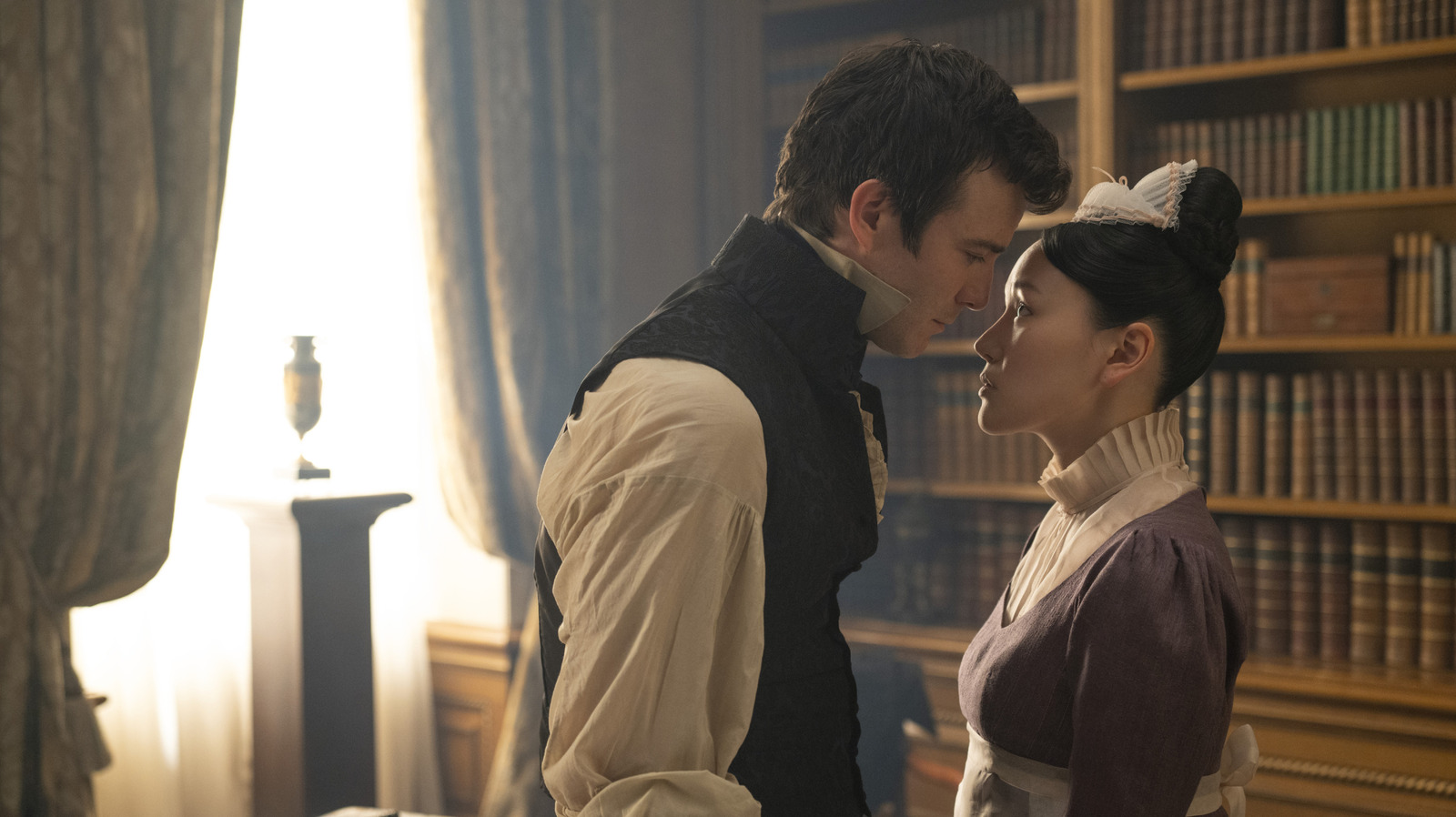
In simple terms, Netflix’s adaptation of Bridgerton showcases significant alterations that enhance the storytelling experience compared to Julia Quinn's novels. By shifting character focus and altering pivotal plot points, the series creates a richer narrative landscape and introduces deeper emotional dynamics.
One of the most notable innovations in the series is the introduction of Queen Charlotte, portrayed by Golda Rosheuvel. Unlike in the books, where her character is absent, she becomes a pivotal figure in the show. As the queen bestows the title of "diamond of the season," her interactions with the Bridgerton family showcase her influence on the social scene. Viewers have embraced her character, which has led to a spin-off titled Queen Charlotte: A Bridgerton Story. This new narrative focuses on the complexities of her arranged marriage to King George III, blending history with fictional storytelling.
In Quinn's novels, the identity of Lady Whistledown remains a mystery much longer. However, the Netflix series opts for an early reveal, allowing audiences to see Penelope Featherington's (Nicola Coughlan) duality as a writer and a friend. By giving viewers insight into her persona from Season 1, the show produces a compelling tension between Penelope's ambitions and her relationships, adding layers to her character that enrich the story.
Unlike the linear focus of Quinn’s novels, where one sibling is followed at a time, the Bridgerton series intertwines the lives of multiple siblings in the Bridgerton family. This approach allows for a broader exploration of familial relationships and social dynamics. For instance, Season 3 spotlights Penelope and Colin Bridgerton (Luke Newton) while also introducing Francesca Bridgerton (Hannah Dodd), who finds love earlier than intended in the narrative arc of the books. This storytelling choice provides a more holistic view of the family’s emotional struggles and triumphs.
Season 2 focuses on Anthony Bridgerton (Jonathan Bailey) and Kate Sharma (Simone Ashley), transforming their courtship into an engaging slow burn. This depiction heightens the romantic tension, making their journey to love more captivating than in the book, where their relationship evolves more rapidly. As Anthony grapples with the decision to pursue love or a marriage of convenience, viewers are left on the edge of their seats, rooting for the couple amidst societal conformities.
The series also shines a light on characters who play essential roles but are less explored in the books, such as the domestic staff and secondary family members. By giving more screen time to these characters, the series offers fresh perspectives that enhance the emotional stakes. For instance, the development of staff character Alfie (David Moorst) in Season 4 provides a unique viewpoint on the shifting dynamics within the Bridgerton household, allowing audiences to appreciate the complexity of socio-economic class during the Regency era.
Overall, Netflix’s Bridgerton excels in a multitude of ways, transforming its source material into a vibrant tapestry of romance, intrigue, and societal commentary. The adaptation not only stays true to the essence of Julia Quinn’s storytelling but amplifies it by prioritizing character development, incorporating nonlinear storytelling, and revealing hidden depths through supporting characters. These enhancements have played a crucial role in maintaining reader and viewer interest alike.
As Bridgerton continues to grow in popularity, its impactful adaptations serve as a case study for future literary adaptations. While Julia Quinn's original stories remain beloved, the series not only complements the novels but offers an expansive view into the intricate world of the Bridgerton family, mapping out how creative liberties can lead to richer storytelling experiences. As audiences eagerly await future seasons, the interplay between adaptation and original content raises intriguing questions about the relationship between literature and its interpretations on screen.
For further exploration, you might be interested in 5 Fantasy Shows That Rival 'House of the Dragon' or 6 Essential Brandon Sanderson Books for Apple TV Adaptation After 'Mistborn'.
Story breakdown
EpisodeBreakdown may use automated tools to assist research, drafting, and formatting. Published pages are governed by our editorial and corrections policies, and source links are shown when they are available in the article record.
Discovery source: TVLine. The source identifies where the topic was discovered; EpisodeBreakdown is responsible for the commentary published on this page.
Reader response
Reactions and poll results are based on real reader responses. No account is required.