test
asdasd
Brie Larson's Apple TV miniseries 'Lessons in Chemistry' captivates with its stunning portrayal of feminism and scientific ambition in the 1950s.
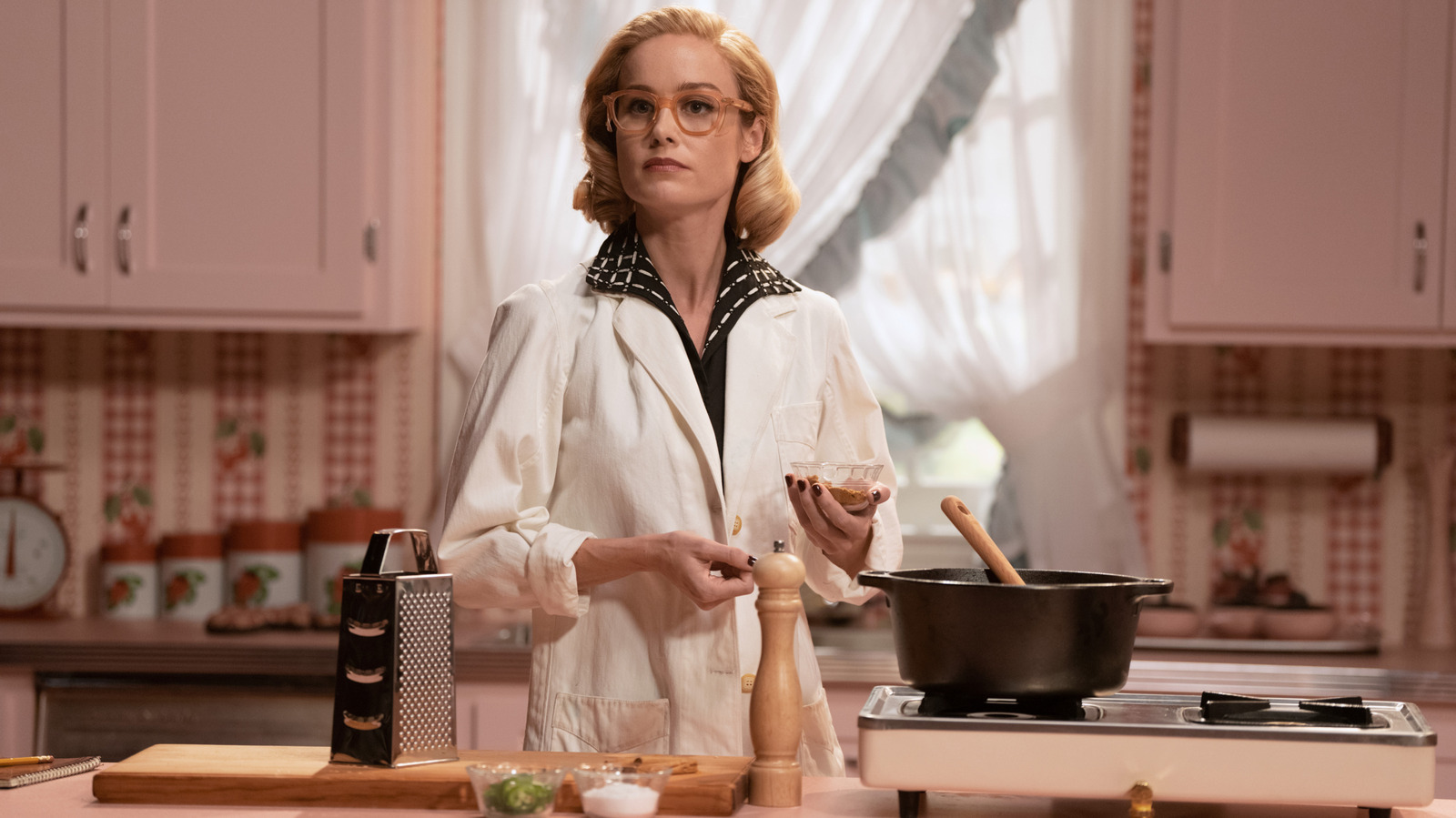
Brie Larson's latest project, the Apple TV miniseries 'Lessons in Chemistry', offers an engaging glimpse into the challenges faced by women in the 1950s, particularly in scientific fields. In simple terms, this adaptation of Bonnie Garmus' best-selling novel presents a potent mix of period drama and feminist commentary that is rich with both emotional and intellectual depth.
Set against the backdrop of a male-dominated scientific landscape, the series follows Elizabeth Zott, a brilliant scientist portrayed by Larson. What is confirmed is that Zott faces significant barriers due to her gender—barriers exacerbated by male colleagues who dismiss her contributions, claiming she lacks the necessary credentials. As the story unfolds, viewers navigate her struggles in both her professional and personal life, revealing a multifaceted character driven by ambition, love, and resilience.
The mid-20th century was a challenging time for women aspiring to succeed in traditionally male fields like chemistry. Elizabeth Zott’s narrative epitomizes this struggle, capturing the essence of the era. Flashbacks illuminate her background, detailing her decision to abandon a PhD after a traumatic encounter with her advisor, showcasing her battle against sexism in a world that often undervalued women's contributions.
Larson's performance as Elizabeth is lauded as remarkable, evoking the complexities of a woman navigating societal expectations while maintaining her scientific passion. The plot thickens when Elizabeth becomes a single mother after a tragic accident claims the life of her supportive colleague, Dr. Calvin Evans, played by Lewis Pullman. This pivotal event alters Elizabeth’s course dramatically, propelling her into a high-stakes game of survival as she balances motherhood with her professional aspirations.
Adapting a beloved book into a series often involves changes, some of which are significant in 'Lessons in Chemistry'. For instance, the character of Harriet Sloane, originally portrayed as an older woman in the novel, is transformed into a young Black lawyer in the miniseries. Played by Aja Naomi King, Harriet's storyline shifts to reflect broader societal themes, particularly the intersection of race and gender during the 1950s. This transformation allows for a richer exploration of struggles faced by women of color, emphasizing the shared yet distinct hurdles encountered in this historical context.
Showrunner Lee Eisenberg highlights this adjustment, noting that this variation offers a more inclusive perspective. “What must it be like for a Black woman during that time?” he asks. This question is essential as it broadens the conversation around gender equality and civil rights beyond Elizabeth's narrative.
One of the most fascinating aspects of 'Lessons in Chemistry' is the way it intertwines scientific principles with culinary arts. Elizabeth Zott's journey leads her to host a cooking show titled 'Supper at Six.' Here, she attempts to blend scientific concepts with everyday cooking, drawing parallels between the two disciplines. Asserting that “cooking is chemistry,” Elizabeth uses her platform to educate her audience, subverting expectations about women's roles in both the kitchen and the scientific community.
This innovative approach resonates with viewers, particularly those who appreciate the historical context of women making strides in fields often deemed inappropriate for them. Larson’s portrayal provides a nuanced representation of Elizabeth's character, balancing her scientific expertise with her new role as a public figure.
While 'Lessons in Chemistry' is primarily a work of fiction, its author, Bonnie Garmus, drew inspiration from her own experiences with sexism in the workplace. Garmus recounted an incident where her contributions went unnoticed until a male colleague reiterated her points. This prompted her to write Elizabeth Zott as a strong female role model facing similar challenges, allowing the narrative to resonate with many women.
In interviews, Garmus expressed satisfaction in seeing Larson embody the character authentically, confirming that the actress truly understood Elizabeth’s complexities. This bridge between the author and actress adds depth to the adaptation, inviting audiences to engage with the thematic layers woven into the series.
As the series progresses, the dynamic between Elizabeth and her daughter provides another layer of emotional resonance. Her brief but poignant relationship with Dr. Evans and her evolving friendship with Harriet enrich the plot, offering space to explore themes of love, loss, and community as means of resilience.
Viewers who appreciate nuanced character development will find much to admire in the performances of the supporting cast, including notable actors such as Rainn Wilson and B.J. Novak. The chemistry among the ensemble cast further solidifies the miniseries as not just another period drama but a vibrant tapestry of shared human experiences.
For those looking to delve deeper into period pieces, consider exploring other Apple TV series like 'Pachinko: Why Apple TV's Acclaimed Drama Deserves a Third Season' or '4 Apple TV Shows That Outshine Severance'. Both shows offer rich storytelling with strong thematic elements.
Brie Larson's 'Lessons in Chemistry' stands out not just for its engaging storyline but for its ambitious exploration of gender and societal expectations in the 1950s. While the series is largely celebrated for its adaptation fidelity, ongoing conversations about character changes highlight the complexities of storytelling in adapting literary works to the screen. The blend of scientific exploration and personal struggle resonates with audiences seeking both entertainment and meaningful narrative.
As viewers tune in, they can look forward to more revelations about Elizabeth Zott’s journey in a world that often seeks to limit her potential. The series invites ongoing discussion about gender equality and the significant roles women can play in even the most unconventional settings.
Story breakdown
EpisodeBreakdown may use automated tools to assist research, drafting, and formatting. Published pages are governed by our editorial and corrections policies, and source links are shown when they are available in the article record.
Discovery source: Slashfilm. The source identifies where the topic was discovered; EpisodeBreakdown is responsible for the commentary published on this page.
Reader response
Reactions and poll results are based on real reader responses. No account is required.