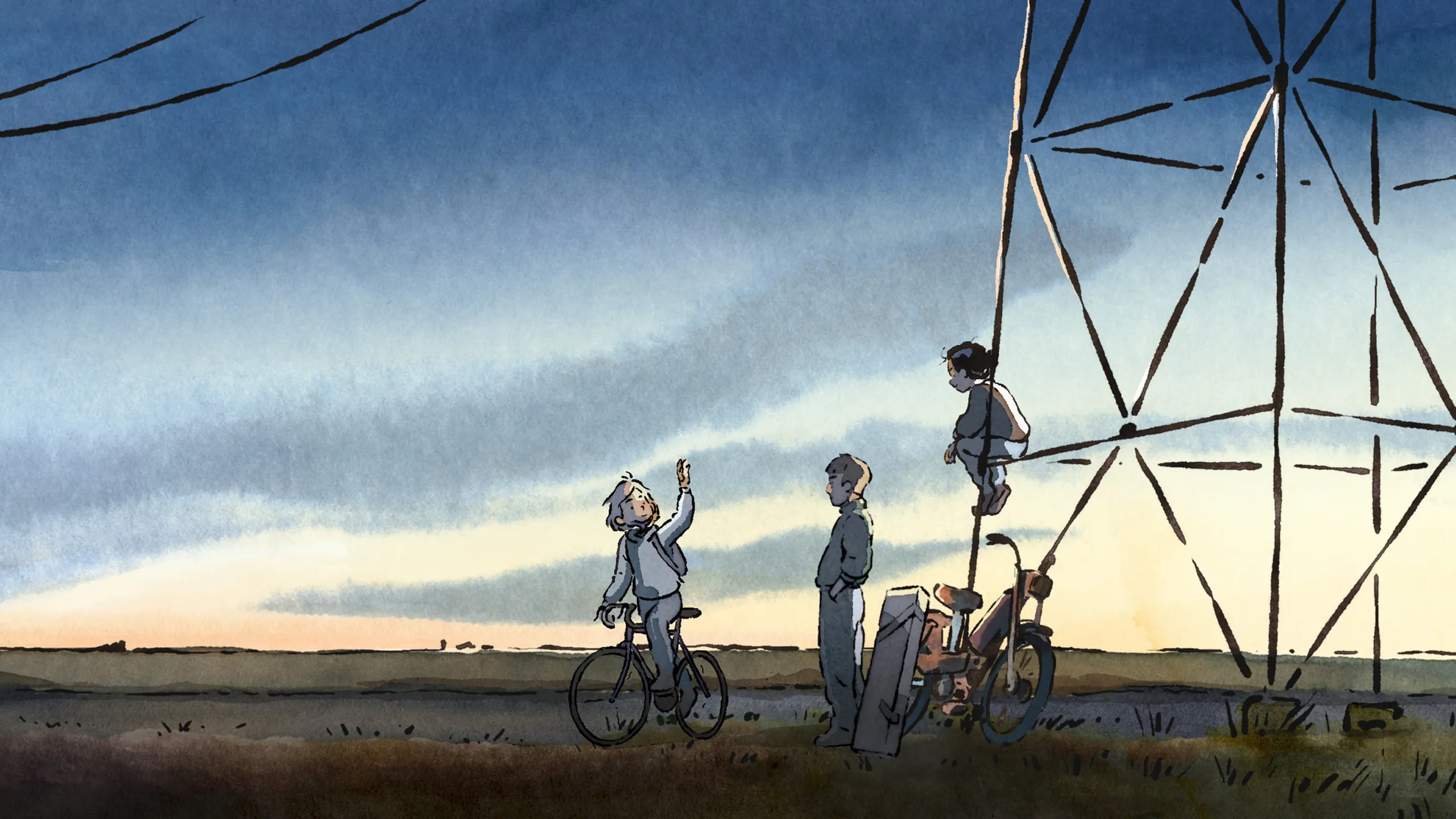
‘Paper Tiger’ and ‘Musk’ Documentary Featured at 2026 SFIFF
The 2026 Santa Fe International Film Festival showcases key titles including 'Paper Tiger' and 'Musk', marking an exciting lineup for this year.
Today marks 39 years since Steve Rogers transformed into 'the Captain,' creating a legacy beyond the costume.
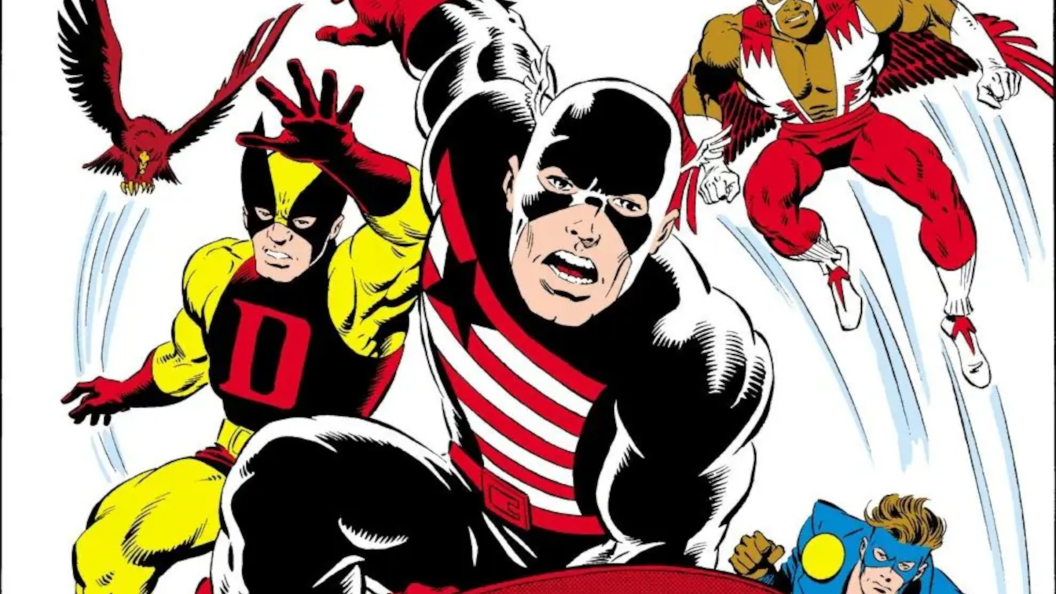
On September 8, 2026, ComicBook.com reported on the significant anniversary that marks 39 years since Captain America, aka Steve Rogers, adopted a new identity in Captain America #337. This transformation saw Rogers stepping away from the traditional Captain America persona and embracing the role of "the Captain," reflecting an evolution of his character in response to his disillusionment with American ideologies.
Historically, Captain America has symbolized the best of American ideals: justice, courage, and perseverance. However, at a pivotal moment in his timeline, Steve Rogers found himself at odds with the expectations placed upon him by the United States government. This internal conflict led him to relinquish the mantle of Captain America, allowing John Walker to take over the title. In the wake of this change, Rogers needed a way to continue his fight for justice without the constraints of national symbolism. Thus, Captain America #337 introduced his new attire—a black version of the Captain America suit, devoid of traditional patriotic elements.
In this new guise, Rogers was not just a national hero but emerged as a universal symbol of heroism. By adopting the title "the Captain," he embodied an individualistic approach to justice, broadening his appeal to a wider audience. This identity freed him from strict national affiliations, allowing him to fight for principles that transcended borders. Notably, during this unique arc, Rogers achieved a monumental feat by lifting Mjolnir, Thor's hammer—a testament to his integrity and worthiness as a hero.
The shift to this new identity also established a complex dynamic between Rogers and Walker. While Walker represented a government-sanctioned version of Captain America, fervently adhering to orders, Rogers navigated a path that questioned authority and sought to reshape what being a hero meant. This contrast laid the groundwork for their evolving storylines within the Marvel Universe, culminating in eventual confrontations and reconciliations. According to reporting from ComicBook.com, ideological clashes during Rogers's time as "the Captain" highlight the contrast between personal integrity and institutional loyalty.
The legacy of Rogers's transformation into "the Captain" is richer than just a costume change; it symbolizes a broader narrative in superhero storytelling about identity, moral conflict, and the nature of heroism. This anniversary not only revitalizes interest in past comics but invites both old and new fans to consider the implications of a superhero navigating personal beliefs versus societal demands.
Recognizing the anniversary of Rogers's shift into a new identity reiterates the timeless relevance of characters grappling with moral and ethical dilemmas. This evolution has left a lasting imprint on the narrative fabric of Marvel Comics and will likely continue to influence future storytelling within the superhero genre. With the popularity of Captain America, both as a character and a symbol, the enduring themes of justice, integrity, and personal sacrifice remain prevalent in contemporary discussions of heroism in comics and beyond.
Entertainment news
EpisodeBreakdown may use automated tools to assist research, drafting, and formatting. Published pages are governed by our editorial and corrections policies, and source links are shown when they are available in the article record.
Discovery source: ComicBook.com. The source identifies where the topic was discovered; EpisodeBreakdown is responsible for the commentary published on this page.
Reader response
Reactions and poll results are based on real reader responses. No account is required.