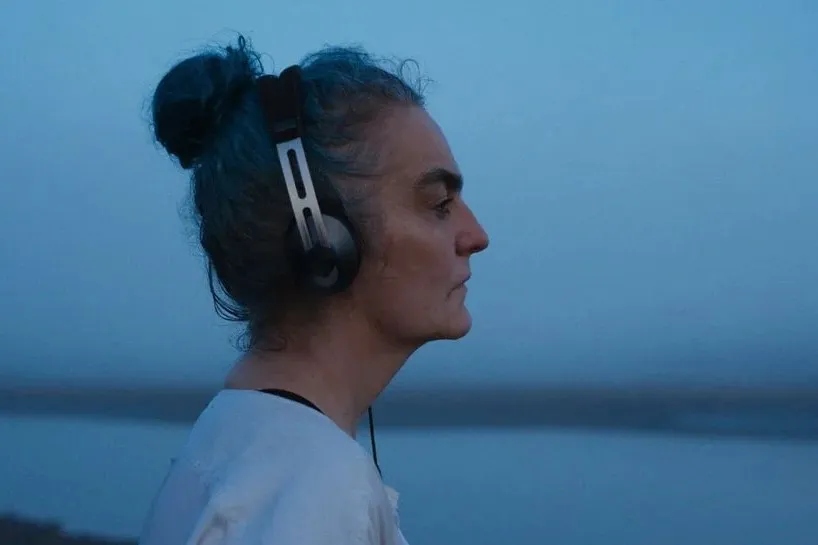
Tom Six Reflects on Career Struggles and Impending Death in New Documentary
Tom Six opens up about his battle with MS and his documentary, 'The End of Tom Six,' detailing challenges he's faced in distributing 'The Onania Club.'
Catalan filmmakers are elevating cinema with increased ambition and funding, marking a notable shift in the arthouse landscape. Here's why it matters.
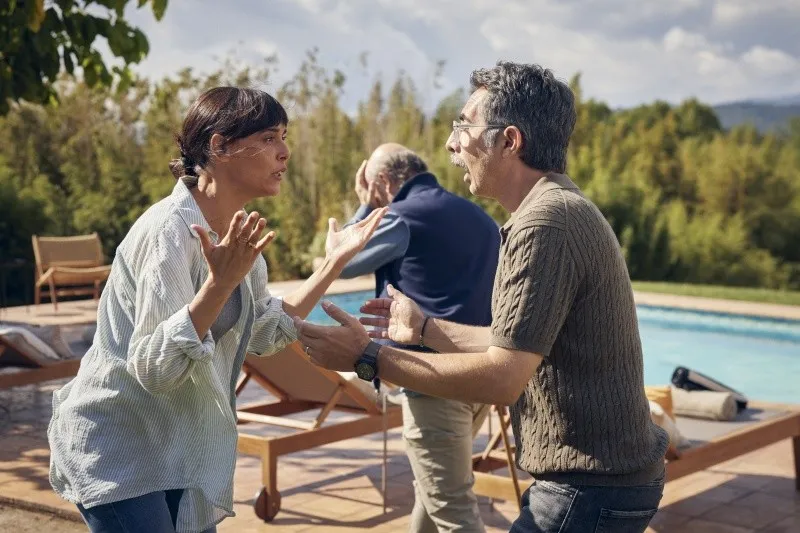
Recent developments in Catalan cinema highlight a surge in ambition among filmmakers, as confirmed by recent reporting from Variety. This evolution comes amidst rising government support, with cinema funding in Catalonia escalating from €12.5 million ($14.4 million) in 2019 to €30.2 million ($34.8 million) by 2025. This support is tied to specific initiatives aimed at broadening the landscape of artistic expression and production scale.
From 2019 to 2025, the Catalan government significantly increased its investment in the film industry. These funds have underpinned various projects at festivals like San Sebastián, where innovative narratives and elevated production values are becoming the hallmark of emerging directors. The influx of financial backing has allowed filmmakers to not only enhance their storytelling but also to explore genres in novel ways, addressing complex themes with more resources at their disposal.
Key figures in this movement include directors like Mikel Gurrea, whose film "Saints" is gaining attention with its visually rich narrative set against the backdrop of a crime-driven family drama. The increase in budget, reportedly twice that of his previous film, allows for a richer tapestry of characters and settings that reflect a deeper, more multifaceted storytelling approach. Similarly, Berto Romero's "5 More Minutes" combines elements of sci-fi and dark comedy, exploring themes of time and relationship strain through innovative filming techniques.
This new wave of Catalan cinema has gained recognition on international platforms, with films winning prestigious awards. For instance, Meritxell Colell’s "Far From the Trees" has been acclaimed at festivals for its ambitious scope, interweaving personal narratives with historical context. These successes signify the filmmakers’ growth in confidence and their capacity to compete internationally, as evidenced by their participation and accolades at events like the Berlin Film Festival and Cannes.
As production costs rise, filmmakers seek to distinguish their work in a crowded market, making the mandate for high-quality cinema increasingly central. This shift compels creators to push creative boundaries while leveraging their growing skill sets and collaborative networks, altering how narratives are constructed and brought to life. Collaborations with established entities, such as Movistar Plus, are also playing a vital role in raising the financial stakes and production quality.
The rise of this new generation of Catalan filmmakers, bolstered by substantial government support, is poised to redefine arthouse cinema in Spain and beyond. This trend enhances the creative landscape and positions Catalonia as a significant player in the global film industry, attracting attention and acclaim that could influence future cinematic endeavors. As filmmakers blend genres and push artistic boundaries, audiences can expect intricate storytelling and rich visual experiences that set a new standard for arthouse cinema.
Entertainment news
EpisodeBreakdown may use automated tools to assist research, drafting, and formatting. Published pages are governed by our editorial and corrections policies, and source links are shown when they are available in the article record.
Discovery source: Variety. The source identifies where the topic was discovered; EpisodeBreakdown is responsible for the commentary published on this page.
Reader response
Reactions and poll results are based on real reader responses. No account is required.