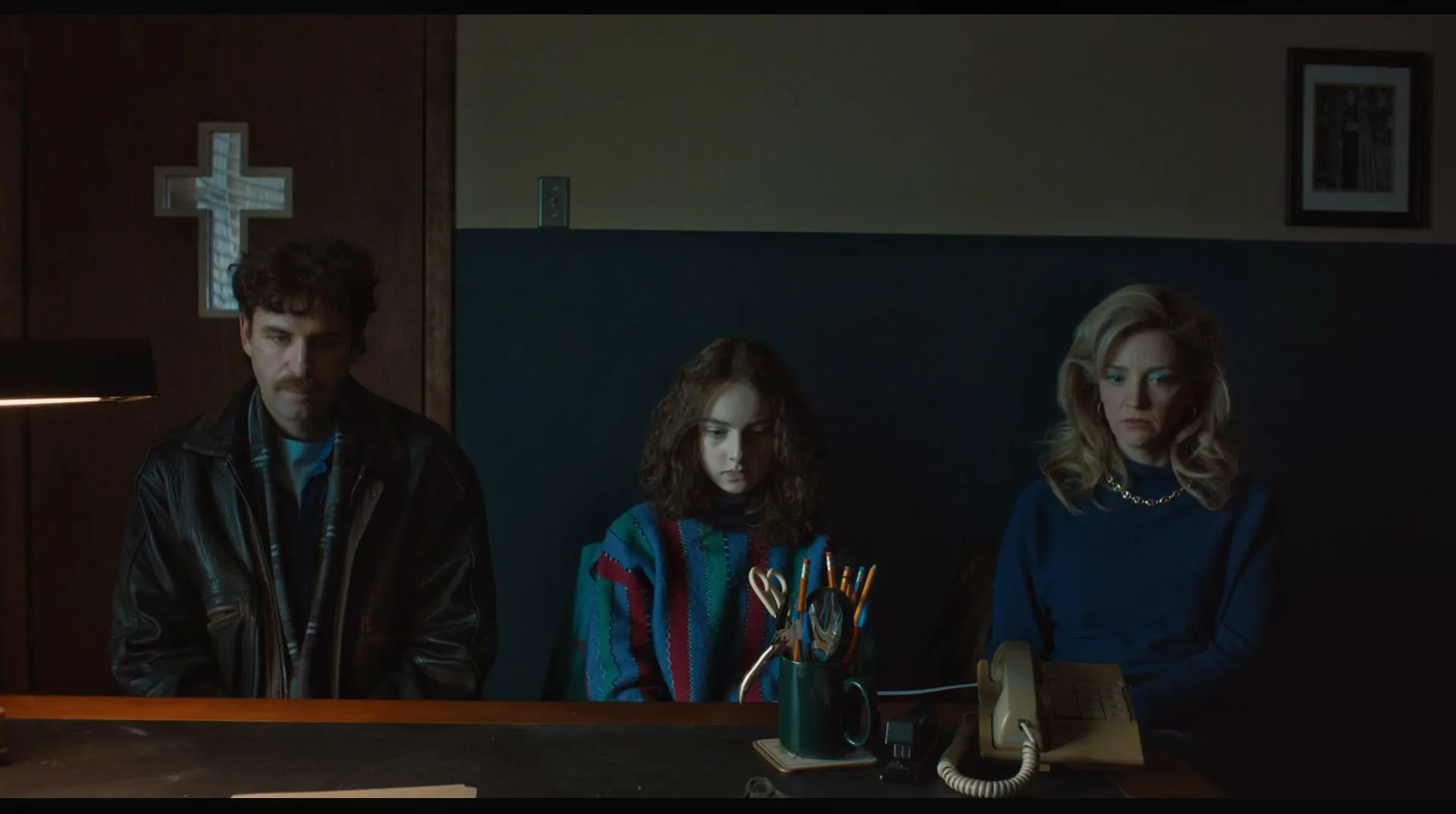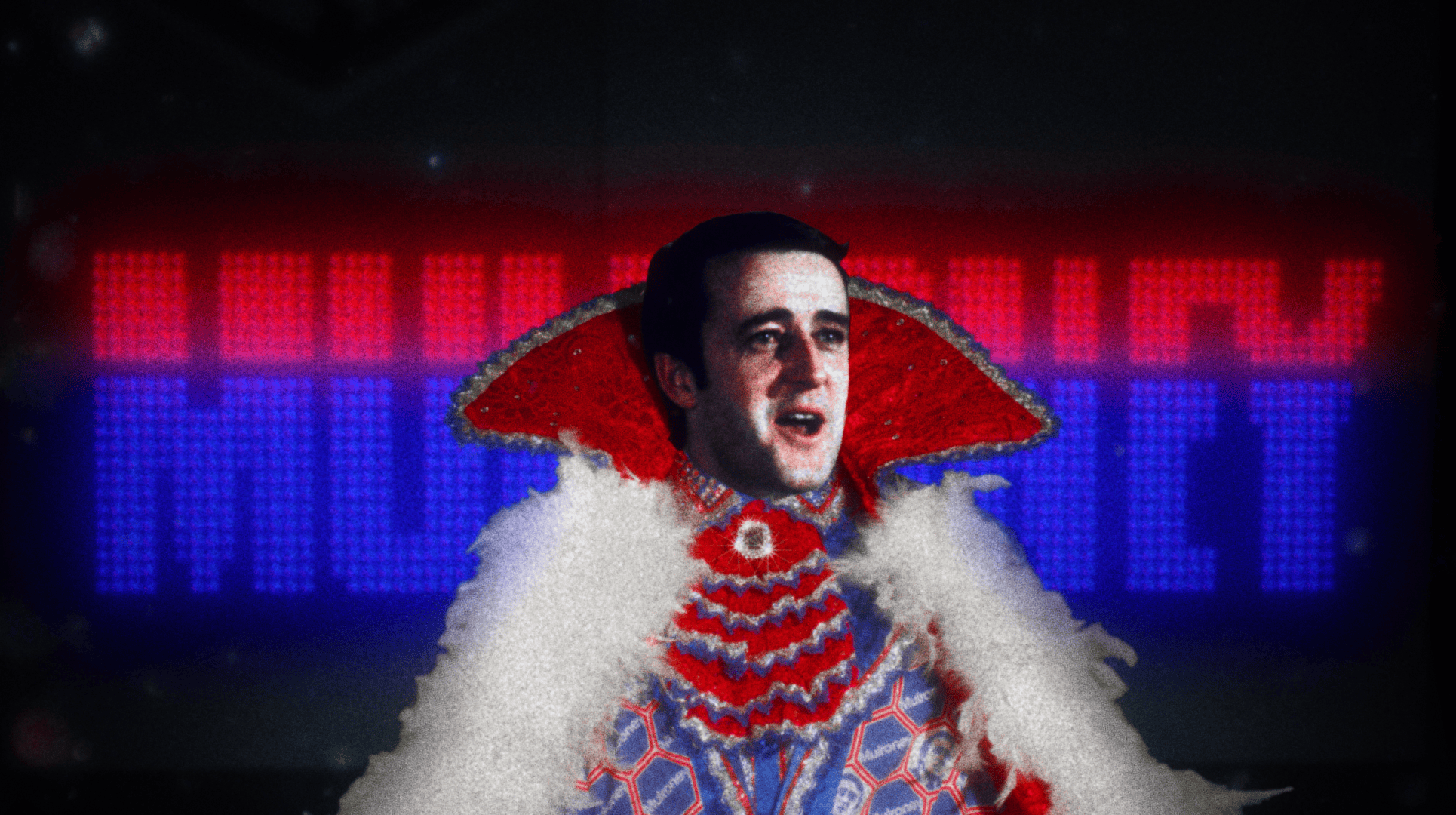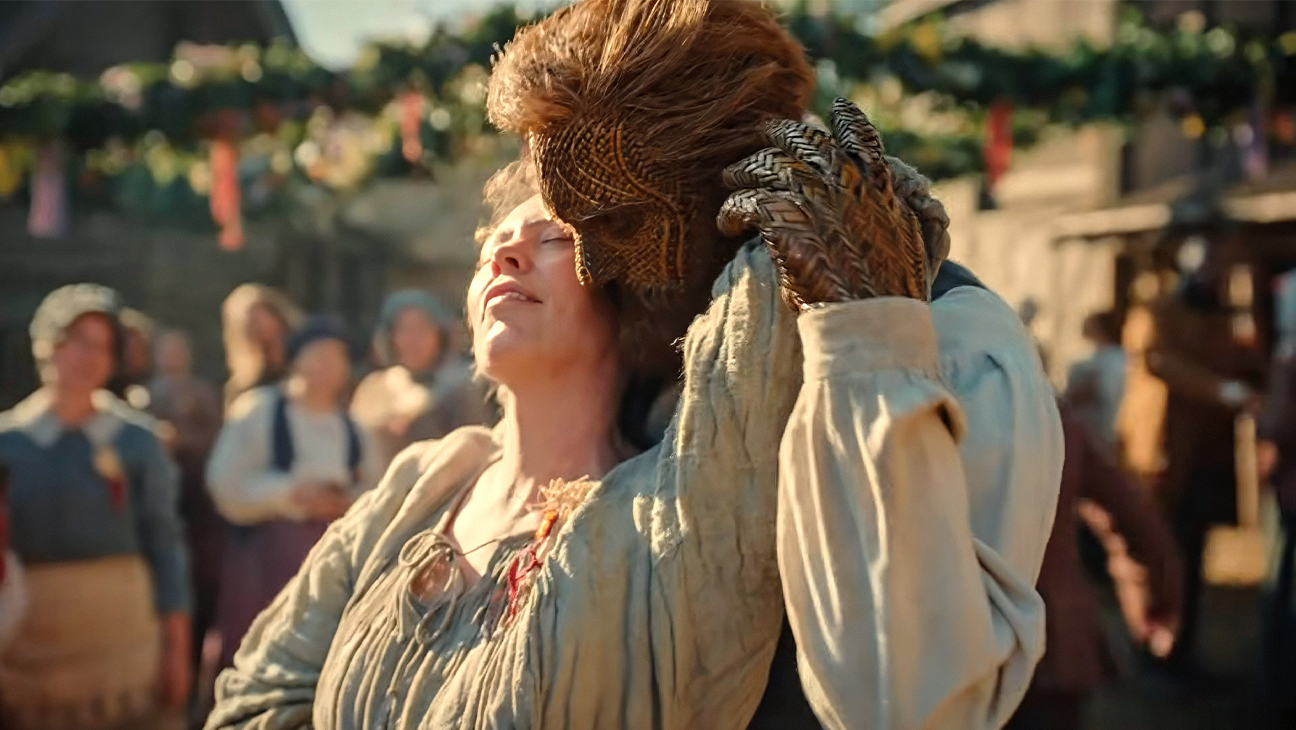
Ryan Heller Discusses 'Club Kid' and 'Wicker' Trailer Success
Topic Studios' Ryan Heller discusses the success of 'Club Kid' and 'Wicker', highlighting viral marketing and festival strategies.
CBS claims First Amendment protections in response to a lawsuit by writer John Lowe over alleged racial comments and termination.
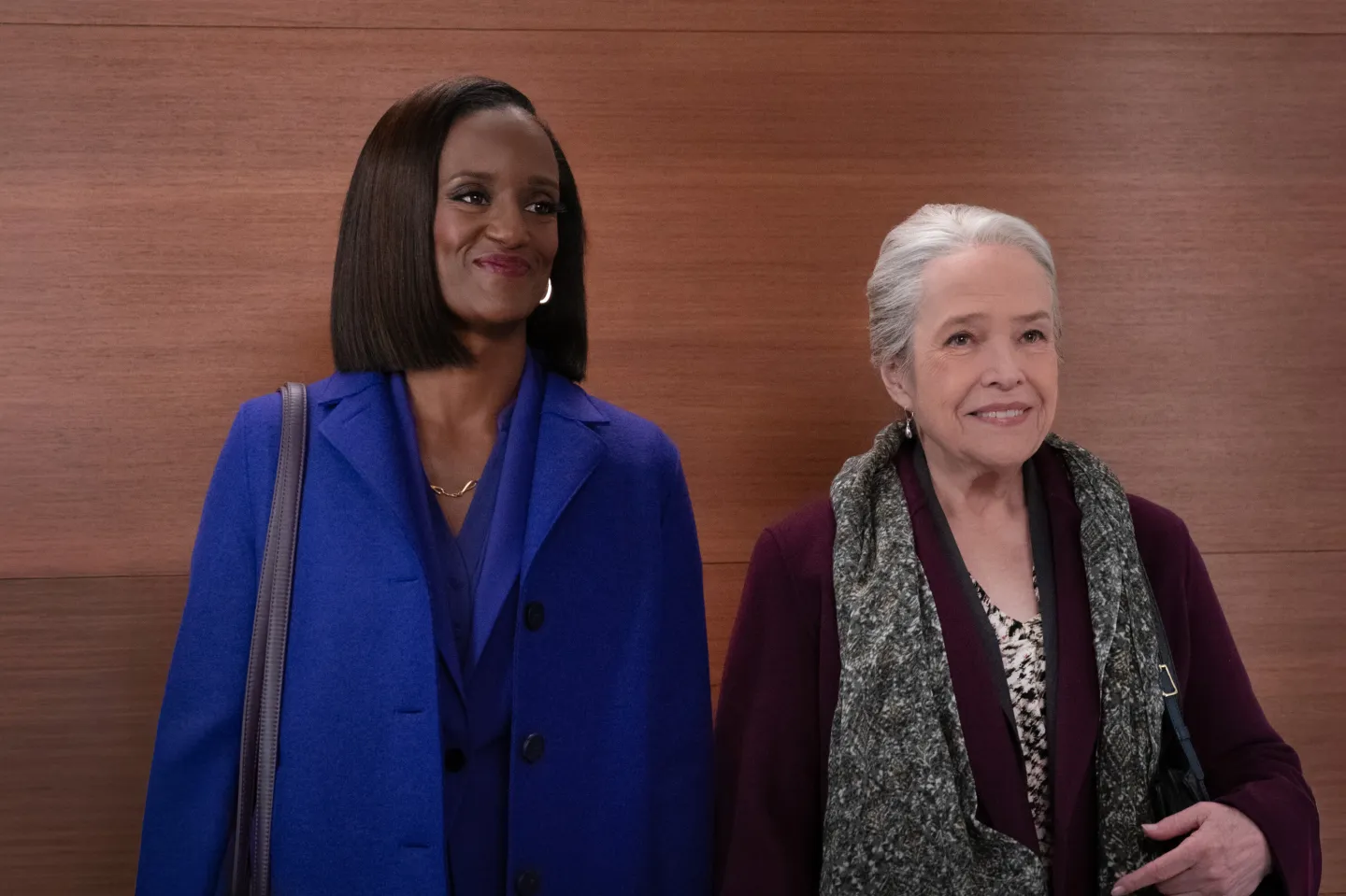
CBS Television Studios recently asserted its First Amendment rights in a legal effort to dismiss a lawsuit from John Lowe, a writer for the reboot of Matlock. The claims were reported by The Hollywood Reporter on September 11, 2026, amid allegations that Lowe faced racial and sexual discrimination from the show's executive team.
Lowe's lawsuit contends that the environment on the Matlock set was hostile, rife with derogatory comments aimed at him and other Black cast and crew members. He specifically accused the showrunner and executive producers of using racially loaded language, including a reference to Juneteenth that he claimed was derogatory. Additionally, he alleged that he was fired in retaliation for reporting these incidents.
In response, CBS emphasized that its decision to end Lowe’s engagement with the show was a creative choice rather than a retaliatory measure. A spokesperson for CBS stated that Lowe’s accusations are “demonstrably inaccurate and maliciously fabricated.” The studio underscored that the decision not to renew Lowe's contract, which guaranteed twenty weeks of work and continued at CBS's discretion, was based on performance rather than any alleged misconduct.
According to CBS’s court motion, creative decisions regarding writers and their contributions to scripts are protected under the First Amendment. This was reinforced by Adam Levin, a lawyer for CBS, who suggested that writers’ performances directly impact the quality and direction of a show. He noted that decisions to extend a writer's contract often hinge on their productive contributions.
CBS has provided specific examples of Lowe’s shortcomings. They claimed that he frequently failed to meet writing assignments, did not incorporate feedback, and exhibited attendance issues, which ultimately contributed to the decision not to extend his contract. Notably, executive producer Nicki Renna asserted in a court declaration that Lowe's submitted outlines did not meet the creative standards expected by Matlock's production team.
The allegations and subsequent legal battle are significant, as they bring to light issues of workplace discrimination and creative liberties within the television industry. The unfolding case may raise discussions about accountability and the balance between creative control and a respectful workplace. Given the ongoing scrutiny of inclusivity and equity in Hollywood, this lawsuit could have broader implications for how production companies handle accusations of misconduct and employee relations.
As CBS defends its creative choices, the outcome of this lawsuit may influence industry standards regarding workplace conduct and creative freedom. The situation is still developing and highlights the complexities involved when allegations of discrimination surface in creative environments such as television.
For more on workplace dynamics in entertainment, check out our reports on Chelsea Handler’s recent tour controversy and Johnny Depp's latest artistic endeavors.
Entertainment news
EpisodeBreakdown may use automated tools to assist research, drafting, and formatting. Published pages are governed by our editorial and corrections policies, and source links are shown when they are available in the article record.
Discovery source: The Hollywood Reporter. The source identifies where the topic was discovered; EpisodeBreakdown is responsible for the commentary published on this page.
Reader response
Reactions and poll results are based on real reader responses. No account is required.