ComicBook.com highlights five comic book sequels that fell short of their original stories' impact, including Zero Hour: Crisis in Time, Batman: Hush sequels, and Secret Wars II.
ComicBook.com Reveals Five Comic Book Sequels That Underperformed Their Predecessors
ComicBook.com has published a list of five comic book sequels that failed to match the quality of their original stories, with the article detailing how these sequels were criticized for poor storytelling, continuity issues, and character missteps. The list, published on September 19, 2026, focuses on DC and Marvel Comics’ attempts to create follow-ups to iconic storylines that ultimately fell short of expectations.
The article, written by Comics Feature Writer Jack Pecau, identifies five specific sequels that have become infamous for their mediocrity. These include Zero Hour: Crisis in Time (1994), Batman: Hush sequel 'H2SH' (2025), Secret Wars II (1985), Civil War II (2016), and The Dark Knight Strikes Again (2002). Each entry explains why the sequel was criticized, emphasizing how the stories failed to build on the original’s strengths.
Zero Hour: Crisis in Time — The First Failed Crisis Sequel
Zero Hour: Crisis in Time, released in 1994, was intended to address continuity errors from DC’s 1985 Crisis on Infinite Earths. However, the sequel introduced two corrupted heroes, Extant and Parallax, who worked together to rewrite reality. The storyline was criticized for being overly convoluted and confusing, with the narrative failing to resolve the issues it sought to fix. Despite its flaws, Zero Hour: Crisis in Time remains notable as the first attempt at a sequel to a groundbreaking event that ultimately fell into obscurity.
Batman: Hush Sequel 'H2SH' — A Misfire in the Dark Knight Universe
DC Comics’ 2025 sequel 'H2SH' (a follow-up to the 2002 Batman: Hush storyline) was widely criticized for its nonsensical plot. The story centers on Batman finding the Joker on death’s door, leading him to save the Joker’s life despite his unbreakable code. This decision causes the Bat-Family to turn against him, while Red Hood regresses into a villain role and teams up with Hush. The sequel was also criticized for lacking character development over the 20-year gap between the original and its sequel, resulting in characters appearing outdated and illogical.
Secret Wars II — A Marvel Sequel That Failed to Deliver
Marvel’s Secret Wars II, released in 1985, was a direct sequel to the 1984 Secret Wars event. The original storyline saw the Beyonder force Earth’s heroes to fight for his entertainment, creating a massive crossover with lasting impact. Secret Wars II, however, saw the Beyonder return in human form to learn about Earth’s heroes, causing chaos across the Marvel Universe. The sequel was criticized for its goofy and nonsensical plot, with the Beyonder’s actions leading to a threat of multiversal destruction. Today, Secret Wars II remains one of Marvel’s most hated storylines.
Civil War II — A Sequel That Damaged Captain Marvel’s Legacy
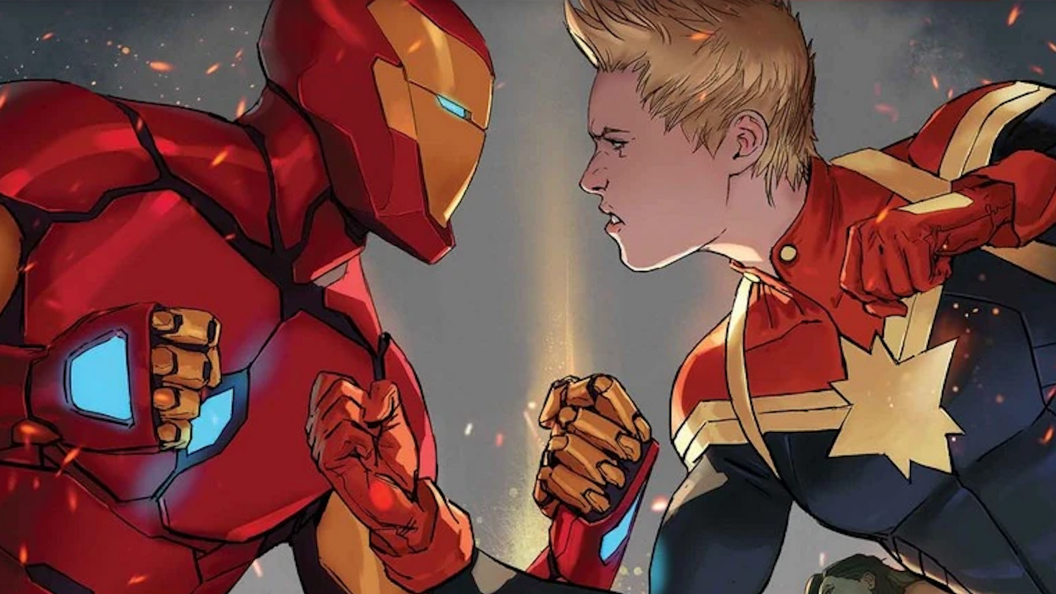
Civil War II, released in 2016, was a sequel to Marvel’s 2006 Civil War event. While the original Civil War involved Captain America and Iron Man debating the Superhuman Registration Act, Civil War II shifted the conflict to Iron Man and Captain Marvel fighting over the use of Inhuman Ulysses’ future-vision. The sequel was criticized for its nonsensical plot holes, pointless deaths, and the unintended tarnishing of Captain Marvel’s reputation. The story portrayed Captain Marvel as a fascist who stripped rights and caused hero deaths, a characterization that has not been reconciled since.
The Dark Knight Strikes Again — A Sequel That Rejected Its Roots
Frank Miller’s 2002 sequel The Dark Knight Strikes Again, following his 1986 masterpiece The Dark Knight Returns, was widely criticized for its dark and chaotic narrative. The story saw Batman declare war against President Lex Luthor, leading to a series of events where Batman bullied Nightwing to the point of insanity and murder, while Superman and Wonder Woman accidentally caused mass casualties through earthquakes. The sequel’s art style and narrative were deemed inferior to the original, cementing it as a textbook example of a bad comic book sequel.
The article emphasizes that while sequels are often criticized for failing to match their predecessors, the best stories expand on the original’s strengths rather than repeating the same mistakes. ComicBook.com’s list highlights how these specific sequels were criticized for their poor storytelling, lack of character development, and failure to address the original’s legacy.
For more insights into comic book history, readers can explore ComicBook.com’s list of 5 '90s comic masterworks that deserve more attention. Read more about 90s comic masterworks.
ComicBook.com Reveals Five Comic Book Sequels That Underperformed Their PredecessorsZero Hour: Crisis in Time — The First Failed Crisis SequelBatman: Hush Sequel 'H2SH' — A Misfire in the Dark Knight UniverseSecret Wars II — A Marvel Sequel That Failed to Deliver
EpisodeBreakdown may use automated tools to assist research, drafting, and formatting. Published pages are governed by our editorial and corrections policies, and source links are shown when they are available in the article record.
Discovery source:ComicBook.com. The source identifies where the topic was discovered; EpisodeBreakdown is responsible for the commentary published on this page.
Reader response
What did you think?
Be the first to react
Reactions and poll results are based on real reader responses. No account is required.
Continue the story
news
Marvel Comics' Sauron Quote Still Laughs Decades Later: The 'Dinosaur Cure' Joke That Defined a Series
A 2015 Spider-Man and X-Men miniseries featured Sauron's iconic 'I don't want to cure cancer. I want to turn people into dinosaurs' line that remains one of Marvel's funniest quotes over a decade later.Read next →