ComicBook.com details how Thanos, Doctor Doom, Lex Luthor, Cyclops, and Spider-Man all struggle with self-esteem issues that define their character arcs.
ComicBook.com Details How Five Iconic Characters Battle Internal Villains
ComicBook.com has published a detailed analysis of five iconic comic characters who face the most formidable adversaries: the internal demons of self-doubt and low self-esteem. The article, titled These 5 Iconic Comic Characters Have Faced Every Kind Of Villain Except The One Within, reveals that these characters—Thanos, Doctor Doom, Lex Luthor, Cyclops, and Spider-Man—struggle with self-worth issues that shape their actions and motivations.
The piece, published on September 14, 2026, highlights how low self-esteem often manifests as the ultimate obstacle for these characters. Unlike external threats, their inner struggles are the most persistent and difficult to overcome. This insight into character psychology provides a deeper understanding of why these figures remain compelling to readers despite their extraordinary powers.
Thanos: Nihilism Rooted in Early Trauma
Thanos, Marvel’s most infamous villain, is described as an Eternal of Titan whose self-worth issues stem from childhood trauma. According to the article, Thanos was rejected by his own people from birth, with his mother attempting to kill him and the Eternals viewing him as a Deviant. This early rejection led to a deep-seated nihilism that defines his actions. The piece notes that Thanos creator Jim Starlin revealed in Infinity Gauntlet #5 that Thanos’s self-doubt is both the cause and consequence of his self-sabotage.
Doctor Doom: Arrogance as a Shield
Doctor Doom’s psychological struggles are characterized by a paradoxical mix of arrogance and self-loathing. The article explains that Doom’s early life was marked by loss and abandonment, with his mother taken by Mephisto and his father dying to protect him. These experiences left him feeling powerless and unworthy, driving him to seek validation through his leadership and authority. The piece emphasizes that Doom’s internal conflict makes him a tragic figure, as his arrogance masks a deep-seated need for self-worth.
Lex Luthor: The Abuse-Driven Villain
Lex Luthor’s character arc is rooted in childhood trauma. The article states that his father, Lionel Luthor, was an abusive alcoholic who tormented his children, with Lex taking the brunt of the abuse to protect his sister. This experience led to a pathological need to prove his worth, resulting in his obsession with public approval and his hatred of those who receive more love than him. The piece notes that Luthor’s self-esteem issues are central to his villainy, making him one of comics’ most emotionally complex antagonists.
Cyclops: Trauma-Driven Heroism
Scott Summers, known as Cyclops, faced a tragic childhood that shaped his character. The article details how he lost his parents in a plane crash while saving his brother Alex from an alien attack. This event left him with uncontrollable mutant powers and a sense of worthlessness. Charles Xavier recruited him to prevent self-harm, highlighting the psychological depth of his journey from a vulnerable child to a heroic leader.
Spider-Man: Relatable Self-Esteem Struggles
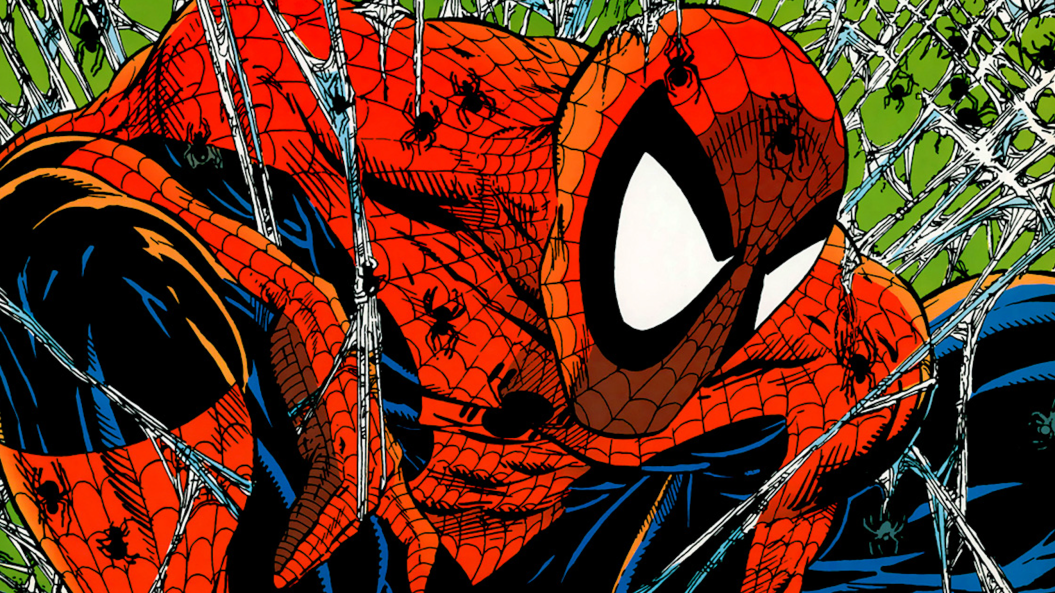
Peter Parker’s story is framed by his early life of isolation and self-doubt. The article explains that he lost his parents before memory, was mocked by peers, and felt unworthy of love. His transformation into Spider-Man was a direct response to these internal struggles, using his powers to overcome his self-perceived inadequacies. The piece emphasizes that Spider-Man’s relatability stems from his shared experience with low self-esteem.
Why This Matters for Fans
This analysis provides fans with a deeper understanding of the psychological underpinnings that drive these characters. By focusing on internal conflicts rather than external threats, ComicBook.com highlights how self-esteem issues create more compelling narratives than typical villainy. For readers, this perspective adds emotional depth to their favorite characters, making their struggles more resonant and relatable.
The article also underscores a broader theme in comics: the universality of self-worth struggles. Whether heroes or villains, these characters share a common vulnerability that transcends their powers and abilities. This insight could influence future storytelling, encouraging creators to explore internal conflicts as central plot points rather than secondary elements.
The piece has not been updated since its publication on September 14, 2026, and no additional developments have been announced.
ComicBook.com Details How Five Iconic Characters Battle Internal VillainsThanos: Nihilism Rooted in Early TraumaDoctor Doom: Arrogance as a ShieldLex Luthor: The Abuse-Driven Villain
EpisodeBreakdown may use automated tools to assist research, drafting, and formatting. Published pages are governed by our editorial and corrections policies, and source links are shown when they are available in the article record.
Discovery source:ComicBook.com. The source identifies where the topic was discovered; EpisodeBreakdown is responsible for the commentary published on this page.
Reader response
What did you think?
Be the first to react
Reactions and poll results are based on real reader responses. No account is required.
Continue the story
news
Captain America, Iron Man, and Thor Don’t Define the Avengers, These 5 Heroes Do
ComicBook.com reports that while Captain America, Iron Man, and Thor are often considered the core Avengers, the team’s true identity is defined by five key members who have shaped its legacy.Read next →