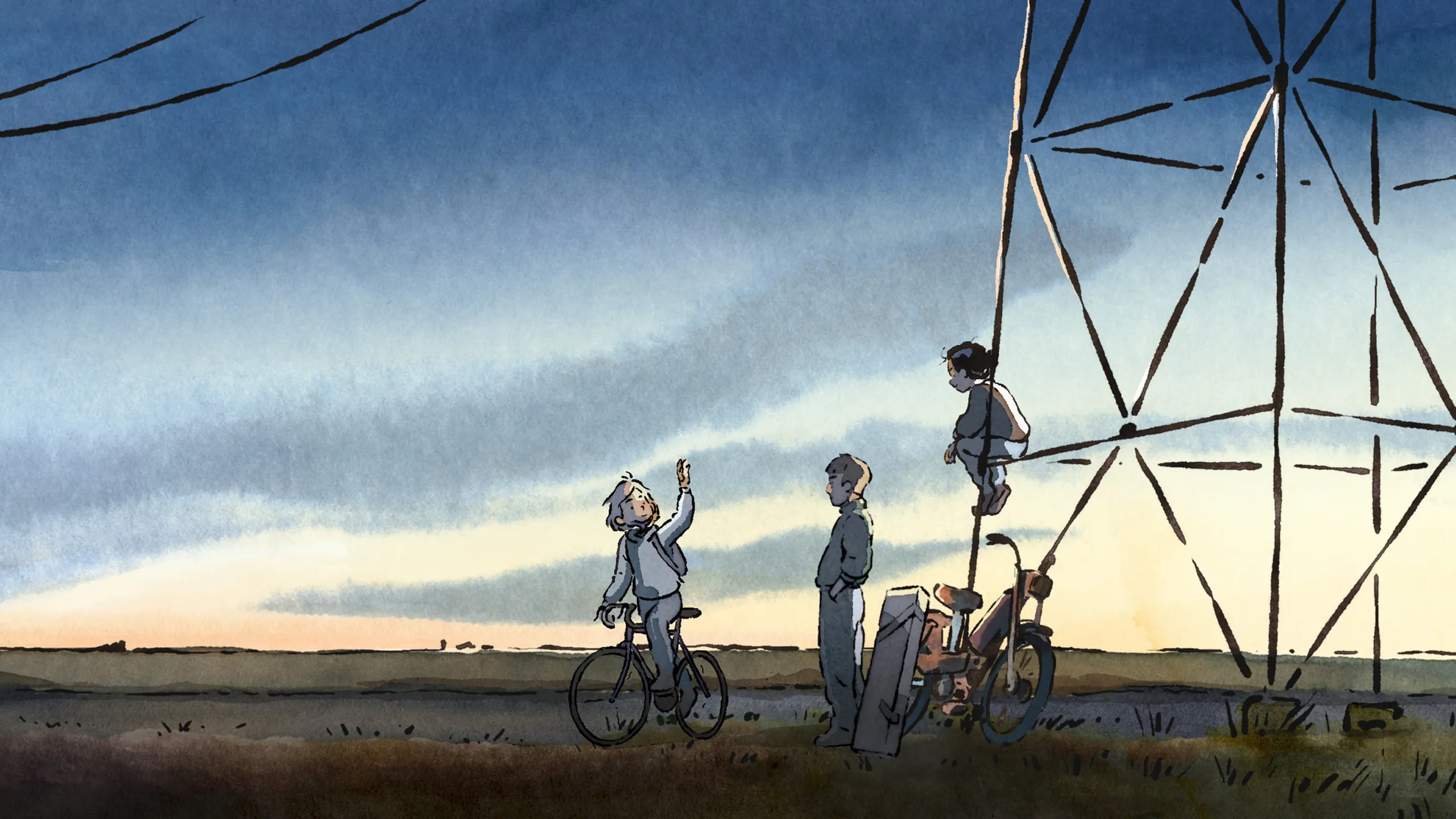
‘Paper Tiger’ and ‘Musk’ Documentary Featured at 2026 SFIFF
The 2026 Santa Fe International Film Festival showcases key titles including 'Paper Tiger' and 'Musk', marking an exciting lineup for this year.
The recent decision by Congress has significant implications for local public media and emergency alert systems in rural America.

On September 3, 2026, The Hollywood Reporter reported that Congress has enacted significant cuts to the funding that supports public media, directly impacting emergency alert systems. This budget decision rescinded $1.1 billion in already appropriated funds allocated to the Corporation for Public Broadcasting, which plays a key role in broadcasting essential local information across rural America.
Public television stations serve as critical local signals, particularly in rural areas, keeping communities informed about emergency situations such as severe weather warnings and AMBER Alerts. According to the report, these stations are vital components of the Federal Emergency Management Agency's (FEMA) Integrated Public Alert and Warning System, ensuring that emergency messages reach citizens, especially when other communication networks fail.
This funding cut not only threatens the financing of children's programs but critically undermines the operational capabilities of local public stations that serve as essential information conduits during emergencies. For example, KEET-TV, an important public station in California, faced severe budget cuts that drastically reduced its staff and led to the cancellation of its local newscast. The general manager of KEET-TV noted the stark consequences of losing federal funding, stating, "It’s just gone. It’s not there."
The disparities between larger and smaller public stations underline the gravity of this funding cut. WHYY in Philadelphia, for instance, lost a smaller percentage of its budget compared to smaller stations like KEET, making the impact vastly different based on location and audience size. Higher revenue public stations can more easily absorb these cuts, while smaller stations may face closure.
The systemic nature of this issue suggests that public broadcasting is underpinned by a federal commitment to sustain local media—something that was fundamentally altered with this decision. The adjustment of state legislatures to fill the funding gap poses further challenges, as only wealthier states may afford to support their local stations, shrinking options in less affluent areas.
The cut to the Corporation for Public Broadcasting (CPB) signals a dismantling of an interconnected public media infrastructure. Traditionally, this system ensured that communities across diverse geographic areas received necessary public information, regardless of local economic conditions. The recent dissolution of a portion of this funding raises questions about the sustainability and accessibility of media resources in rural areas. According to Robert Clauser, a former chief financial officer of a public media station, the lack of support for these smaller stations indicates a significant structural change in how public media operates.
The decision to remove federal support from public media underscores a shift in policy that could lead to stark contrasts in emergency preparedness and local news accessibility based on geographic wealth. Communities at risk of natural disasters or other emergencies may face even greater vulnerabilities without reliable local broadcasts.
The decision by Congress to cut funding for public media has profound implications, particularly for rural areas that have limited access to alternative sources of news and emergency alerts. As the situation develops, it highlights the pressing need for a dialogue regarding the sustainability of public broadcasting nationally, especially in less affluent regions.
This funding cut could lead to a more significant digital divide in public media, where access to critical information is increasingly determined by geographic and economic disparities. As this landscape changes, audiences may need to advocate for the preservation and support of local media infrastructure to ensure that every community remains informed, especially during emergencies.
Entertainment news
EpisodeBreakdown may use automated tools to assist research, drafting, and formatting. Published pages are governed by our editorial and corrections policies, and source links are shown when they are available in the article record.
Discovery source: The Hollywood Reporter. The source identifies where the topic was discovered; EpisodeBreakdown is responsible for the commentary published on this page.
Reader response
Reactions and poll results are based on real reader responses. No account is required.