
‘Paper Tiger’ and ‘Musk’ Documentary Featured at 2026 SFIFF
The 2026 Santa Fe International Film Festival showcases key titles including 'Paper Tiger' and 'Musk', marking an exciting lineup for this year.
Congress is drafting a federal film tax credit aimed at revitalizing U.S. production across states experiencing a production exodus.
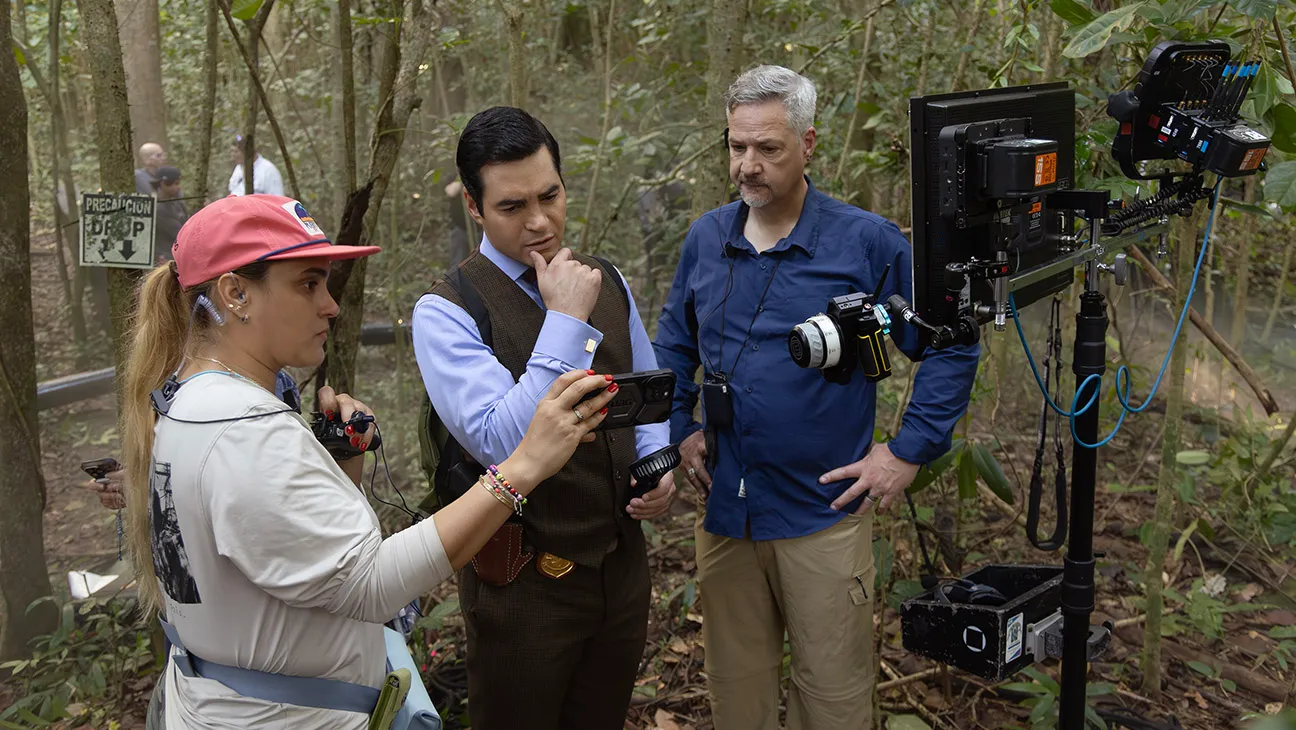
Congress is currently drafting a federal film and television tax credit aimed at revitalizing film production in states facing an exodus of productions to foreign competitors. This initiative follows a recent call from former President Trump, who urged lawmakers to consider a bill known as the "Motion Picture, Television, and Entertainment Revitalization Act." The details of this legislative effort were reported by The Hollywood Reporter on September 5, 2026.
The proposed tax incentive is particularly significant for states outside California and New York, which have experienced a notable decline in film and TV production. These regions are expected to benefit the most from a federal tax incentive, designed to counter the competitive advantages offered by other countries. The report highlights that states like Georgia and Louisiana, once thriving film hubs, have seen a drastic decline in production activities. In Georgia, production earnings have fallen from a peak of $4.4 billion to just $2 billion in the last fiscal year, indicating a severe downturn.
The report from The Hollywood Reporter shows that the U.S. film industry is encountering an existential crisis due to increased competition from countries providing generous tax incentives and lower production costs. The U.K. and Canada, for example, offer tax credits that can exceed 50%, attracting American productions that would otherwise support local economies. This trend significantly impacts states that rely heavily on film production jobs—jobs that span various sectors, including construction, catering, and hospitality.
Although detailed regulations regarding the federal tax credit remain to be finalized, sources indicate that Congress is considering a base credit of approximately 20% on qualified domestic spending. The possibility of additional incentives for productions filming in underserved regions or completing post-production domestically has not been confirmed, reminding stakeholders that specifics may evolve throughout the legislative process. The objective is to establish a streamlined and dependable framework that allows American states to compete effectively against foreign alternatives.
This proposal enjoys bipartisan support, as Democrats have historically backed the entertainment industry, while Republicans from film-producing states perceive the economic necessity of such incentives. Emphasis on local jobs underscores the perceived importance of revitalizing domestic entertainment production as a cornerstone of community economic health. A federal incentive is expected to complement state efforts rather than hinder them, allowing states to combine their existing incentives with the federal credit, thus maximizing production budgets.
While the specifics of the federal tax credit are still being discussed, this legislative effort marks a crucial step toward stabilizing and revitalizing the American film industry. The impacts of such a credit could profoundly affect the job market and local economies reliant on film production. Strengthening the legislative framework may also shift the narrative from one dominated by coastal-centric concerns to a more inclusive acknowledgment of the diverse film production landscapes across the country.
For related developments in the film industry, check out our coverage on Liam and Noel Gallagher's absence at the Venice Film Festival and the Telluride Film Festival's new premieres.
Entertainment news
EpisodeBreakdown may use automated tools to assist research, drafting, and formatting. Published pages are governed by our editorial and corrections policies, and source links are shown when they are available in the article record.
Discovery source: The Hollywood Reporter. The source identifies where the topic was discovered; EpisodeBreakdown is responsible for the commentary published on this page.
Reader response
Reactions and poll results are based on real reader responses. No account is required.