test
asdasd
Explore the deeper themes and emotional truths behind the 10 most controversial anime, including Goblin Slayer and Mushoku Tensei. Discover why fans are engaging in heated debates over these titles.
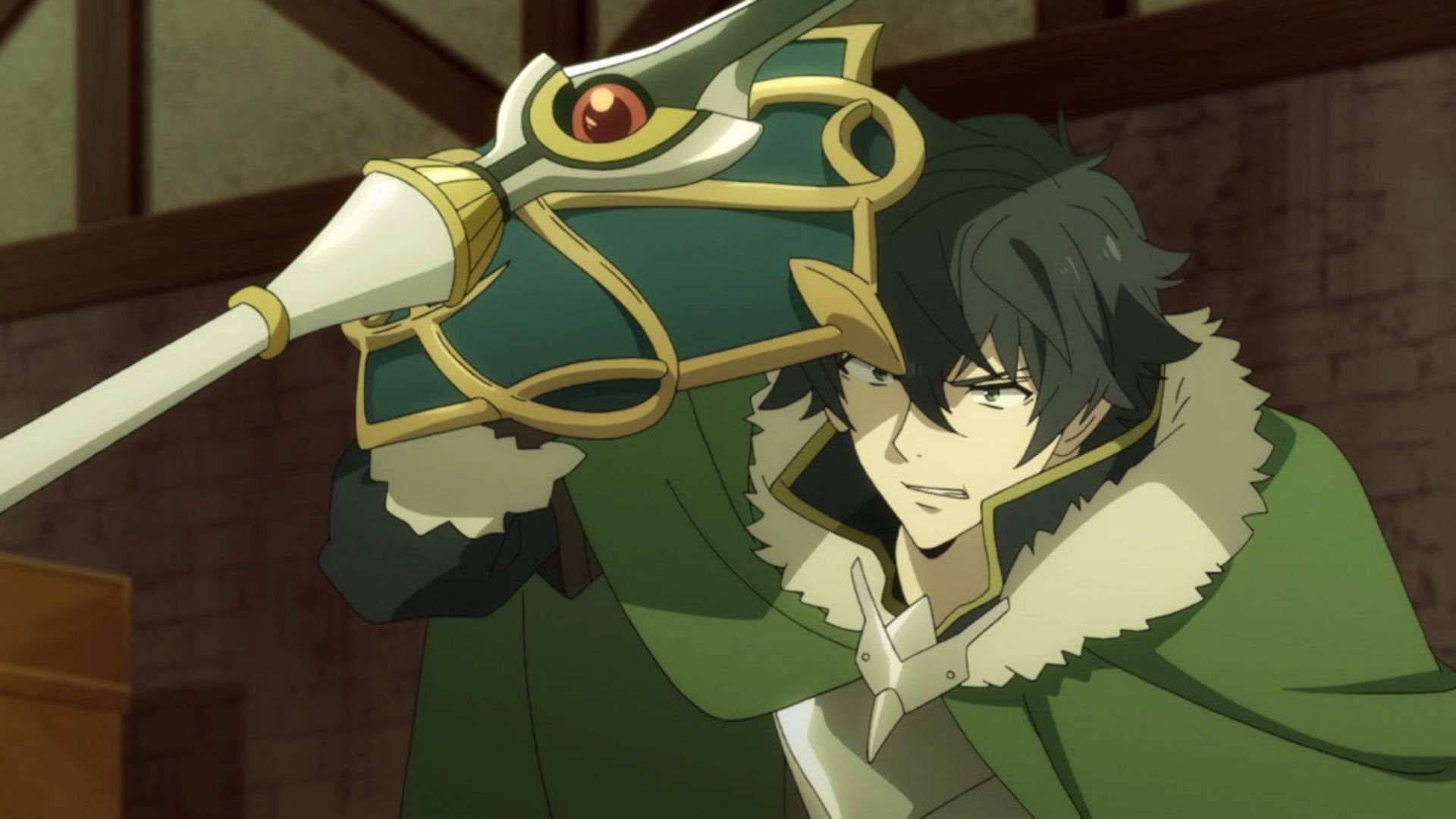
Anime often serves as a reflection of society, and some series push boundaries, sparking intense discussions and polarization among viewers. In this article, we dive into ten of the most controversial anime known to ignite debate, unraveling themes that may surprise you. While titles like Goblin Slayer and Mushoku Tensei often face backlash, a closer look reveals layers of storytelling and emotional depth that fans might overlook.
This analysis focuses on ten anime that have stirred controversy but are ultimately misunderstood. Each title dares to explore intricate topics, from morality to trauma, leading to varied interpretations among viewers. Understanding these works may offer a fresh perspective and highlight the importance of context in evaluating media.
Goblin Slayer: This series follows a determined adventurer whose sole mission is to exterminate goblins. The opening episode, however, quickly establishes a dark tone as the characters face horrific events. Critics argue that it normalizes violence and rape, but supporters defend its portrayal of a world where monsters represent real societal fears and trauma.
Mushoku Tensei: This anime tells the story of a jobless and hopeless man reborn in a fantasy world. Many viewers condemn the protagonist's predatory behavior, but deeper analysis reveals a narrative about redemption and personal growth. Through this lens, the series speaks to the struggles of overcoming one's past and striving for betterment.
School Days: Known for its shocking twist, this anime delves into teenage relationships with staggering complexity. Its portrayal of betrayal and the consequences of unchecked emotions raises moral questions that are often debated among fans.
Elfen Lied: This series combines horror and tragedy to recount the tale of Diclonius, a mutant with powerful telekinesis. Critics deem it excessively graphic, but its deeper themes about isolation and acceptance resonate with many.
Attack on Titan: A juggernaut in the anime community, this series engages with heavy themes of freedom and oppression. Despite showcasing extreme violence, its narrative centers on the struggles for freedom and the cyclical nature of hatred, often leading to misunderstanding among audiences.
Death Note: Centered on a cat-and-mouse game between a high school student with a deadly notebook and police, it raises ethical dilemmas about justice and morality that spark passionate debates.
Sword Art Online: While often criticized for its portrayal of female characters, some argue that it addresses the psychological effects of virtual reality and escapism.
No Game No Life: Diving into the world of gaming and strategy, this series is often seen as sexist due to its portrayal of women. However, many fans highlight its critique of real-world socio-political systems through inherent gaming mechanics.
Interspecies Reviewers: Plagued by censorship debates, the show’s exploration of sexuality and sexual freedom challenges societal norms but is often dismissed due to its explicit content.
Ain't Afraid of the Wind: This newer title blends dark themes of existential dread with youthful exploration; although misunderstood, many praise its artistic styles while critiquing its complicated narrative.
As we delve into the conclusions of these series, it's important to recognize that their endings often provide commentary on the arcs of their respective characters. Many of these shows, including Attack on Titan, conclude with significant revelations that challenge previous conceptions and invoke deeper discussions about morality and consequence. Meanwhile, Mushoku Tensei has ongoing developments that continue to expand Rudeus’s understanding of accountability and growth. Each ending serves as a catalyst for further debate and re-examination of themes presented throughout.
As the anime community continues to grow, discussions surrounding these controversial titles will only expand. Greater understanding may emerge as fans approach these series with an open mind, encouraging storytelling that provokes thought rather than outright rejection. Furthermore, the exploration of themes like mental health, identity, and ethics in the anime medium will likely influence future productions, blending entertainment with meaningful discussions on social issues.
These anime are trending due to recent discussions within the community, fueled by social media debates and online forums. The recent push for creators to engage with difficult subjects more responsibly has led to renewed scrutiny of past works. Fans advocate for a comprehensive understanding of these series, promoting discourse on the necessity of context in storytelling. By addressing the controversies surrounding their favorite anime, viewers are carving out space for deeper conversations that link entertainment to pressing societal issues.
While controversial anime can often face backlash for their themes and portrayals, a deeper dive reveals a rich layer of storytelling that captures the complexities of human experience. Titles like Goblin Slayer and Mushoku Tensei exemplify how anime can challenge viewers, prompting important conversations about morality, trauma, and growth. Understanding these narratives in their entirety contributes to a more nuanced appreciation of anime as a form of artistic expression. As the anime community evolves, so too will the discourse surrounding these misunderstood works, creating a landscape ripe for thoughtful engagement.
Story breakdown
EpisodeBreakdown may use automated tools to assist research, drafting, and formatting. Published pages are governed by our editorial and corrections policies, and source links are shown when they are available in the article record.
Discovery source: CBR Anime. The source identifies where the topic was discovered; EpisodeBreakdown is responsible for the commentary published on this page.
Reader response
Reactions and poll results are based on real reader responses. No account is required.