‘Paper Tiger’ and ‘Musk’ Documentary Featured at 2026 SFIFF
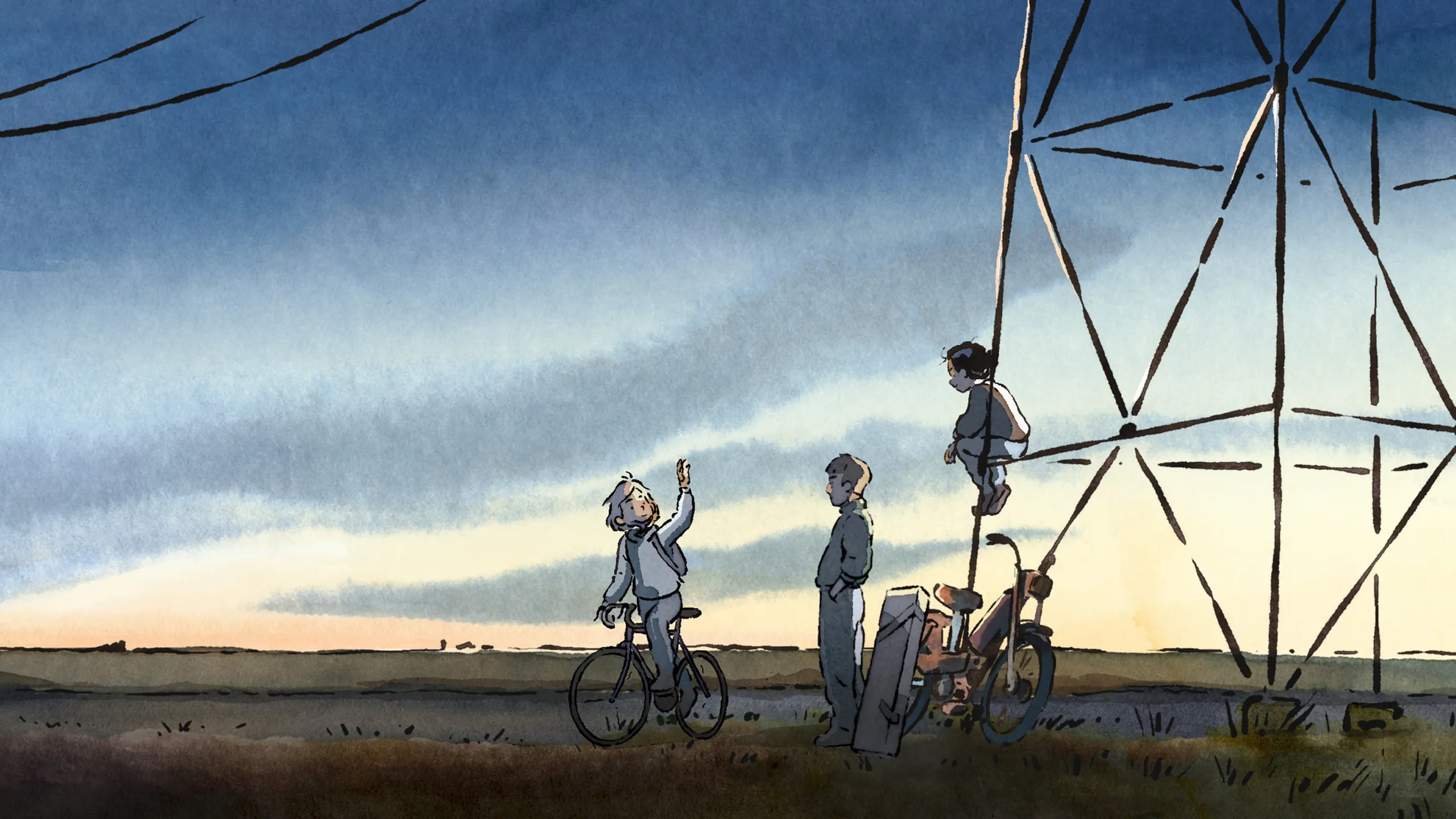
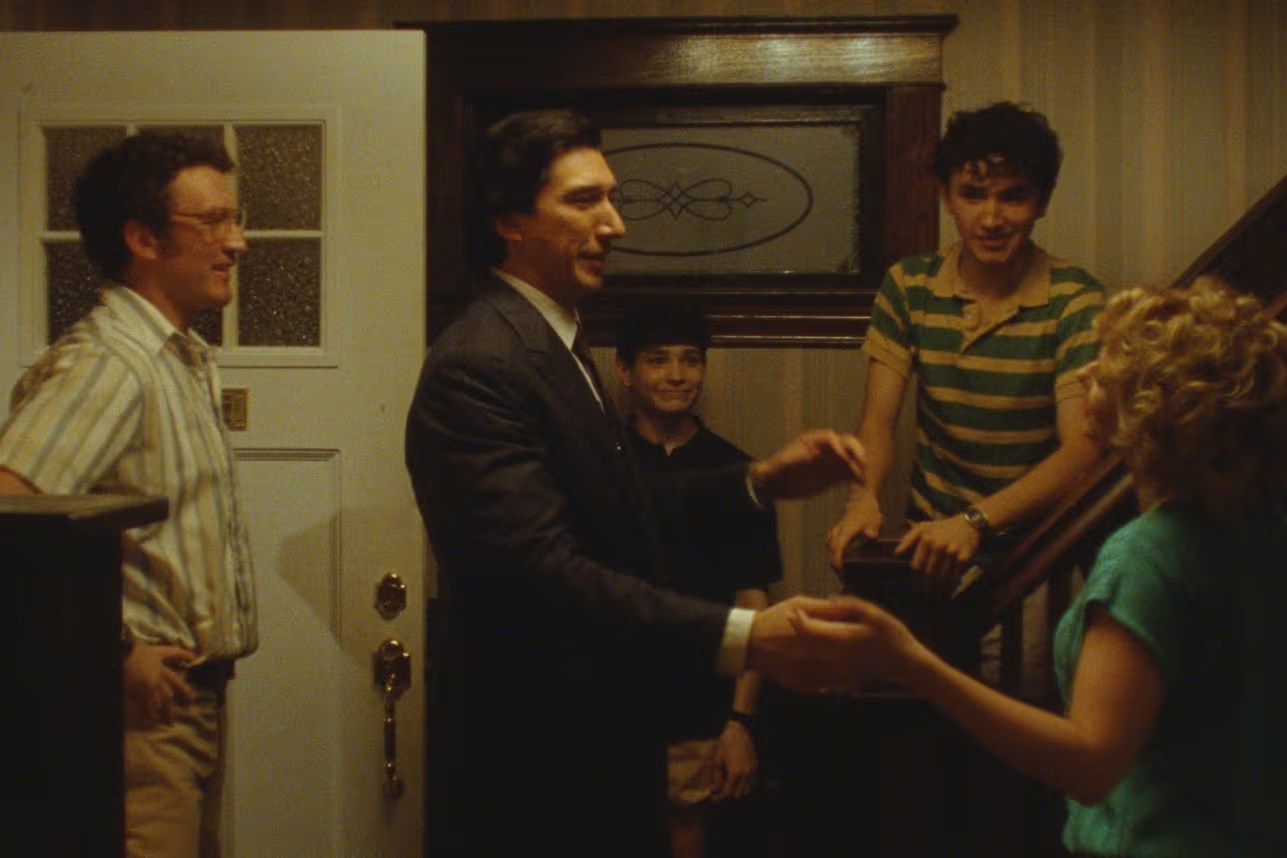
The 2026 Santa Fe International Film Festival showcases key titles including 'Paper Tiger' and 'Musk', marking an exciting lineup for this year.
Nicola Coughlan, Luke Evans, and Hugh Bonneville support the Save Our Voices Now campaign against AI voice cloning, urging the UK government to take action.
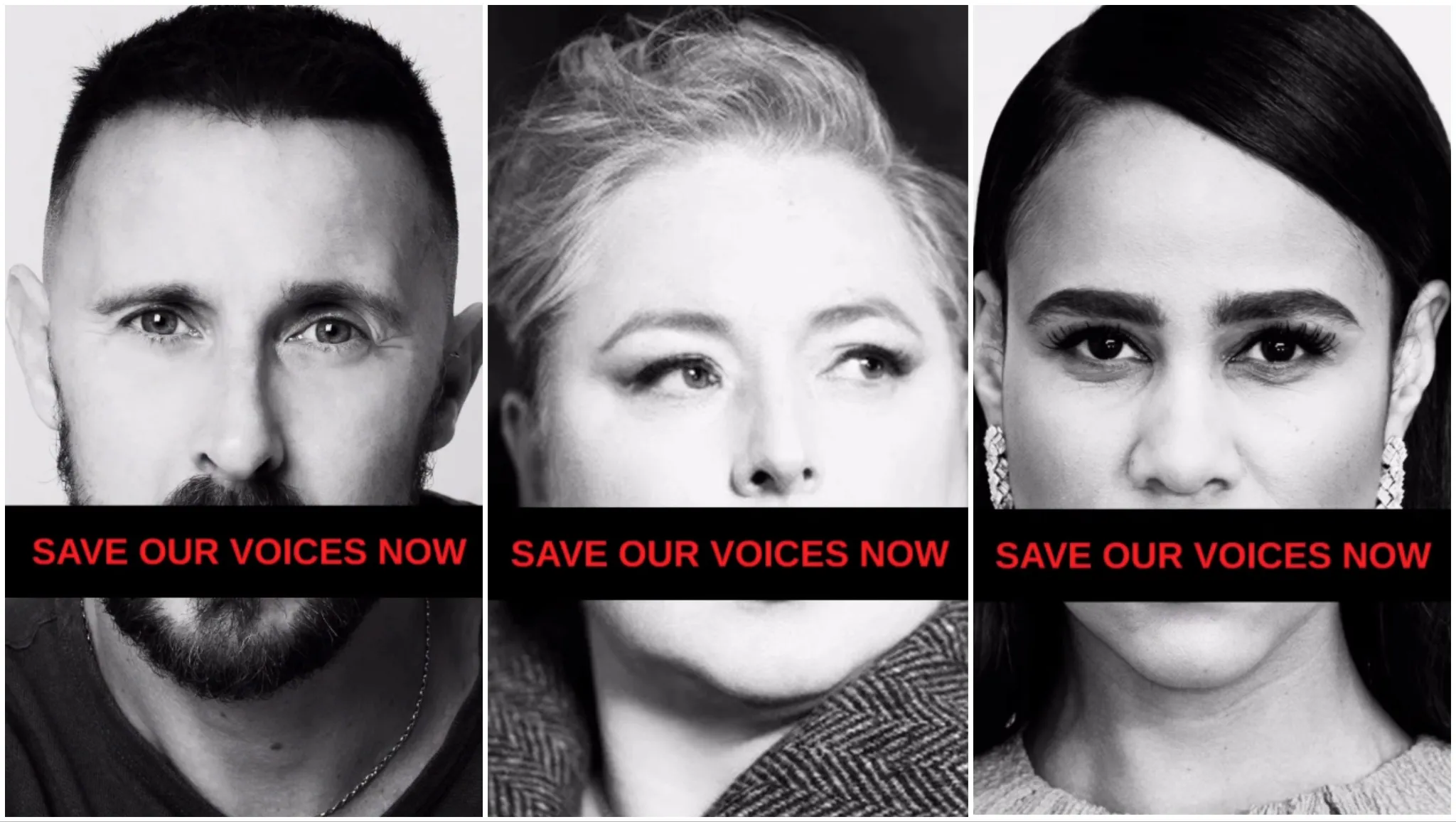
On September 3, 2026, British actors Nicola Coughlan, Luke Evans, and Hugh Bonneville announced their support for the Save Our Voices Now campaign, aimed at addressing concerns over AI technology's ability to clone voices without consent. This initiative seeks to prompt the UK government to enforce copyright protections for individual voices, a topic that has gained urgency amid mounting concerns within the entertainment industry.
The campaign, led by Tip Toe actor Peter Caulfield and audiobook narrator Alice Sockett, takes issue with the existing legal framework, which provides insufficient protections against the misuse of voices by artificial intelligence. Coughlan, Evans, and Bonneville, alongside notable figures like BAFTA winner Siobhán McSweeney, are calling for substantial legal changes to ensure that creators have control over how their voices are used.
The issue comes into sharper focus in light of previous government consultations regarding copyright protections related to AI. In December 2024, the UK government launched a major consultation on this matter, receiving over 11,500 responses, many from creators advocating for stronger protections. Despite the overwhelming support—81% of respondents wanted improved copyright laws—the government's follow-up in March indicated a lack of consensus on how to proceed.
Fast forward to now, the government's recent strategy simply reiterates the need for further consultations rather than immediate action, drawing ire from creators and unions alike. Caulfield expressed disappointment, stating, "A consultation is such a big fob-off. We don't need a second consultation in as many years. We need the law to change."
The Save Our Voices Now petition has garnered more than 4,000 signatures since its inception, highlighting the growing public and industry support for better legal frameworks. The campaign advocates for individuals to hold enforceable copyright ownership over their voices, permitting them to control how and where their voices are used, especially by AI technologies that often replicate human speech without permission.
This initiative reflects a broader frustration with the slow pace of governmental response to urgent issues in the rapidly developing field of artificial intelligence. Other countries, including the U.S. and Denmark, are moving forward with legislation that grants citizens greater control over their digital counterparts, placing the UK at a disadvantage in a global context.
As AI technologies advance, the potential for abuse raises alarms within the industry. Reports of unauthorized use of voices, sometimes for fraudulent activities, illustrate the risks of inaction. According to Caulfield, the campaign has received many distressing testimonials from individuals wary of their voices being taken without consent. Such cases underscore the necessity for quick and effective legal protections.
Despite setbacks, supporters like Richard E. Grant and Alison Hammond have recently joined the campaign, amplifying its message. These voices are crucial in raising awareness and pushing for change in the corridors of government where policy is shaped.
The ongoing dialogue surrounding AI voice cloning exemplifies the tension between technological innovation and creators' rights. With prominent figures rallying for reform, the Save Our Voices Now campaign is positioned to influence public discourse. However, the lack of immediate legislative action from the government suggests that the industry's struggles with AI may continue unless vigorous efforts are made to protect the rights of individual voice owners.
Entertainment news
EpisodeBreakdown may use automated tools to assist research, drafting, and formatting. Published pages are governed by our editorial and corrections policies, and source links are shown when they are available in the article record.
Discovery source: Deadline. The source identifies where the topic was discovered; EpisodeBreakdown is responsible for the commentary published on this page.
Reader response
Reactions and poll results are based on real reader responses. No account is required.