‘Paper Tiger’ and ‘Musk’ Documentary Featured at 2026 SFIFF
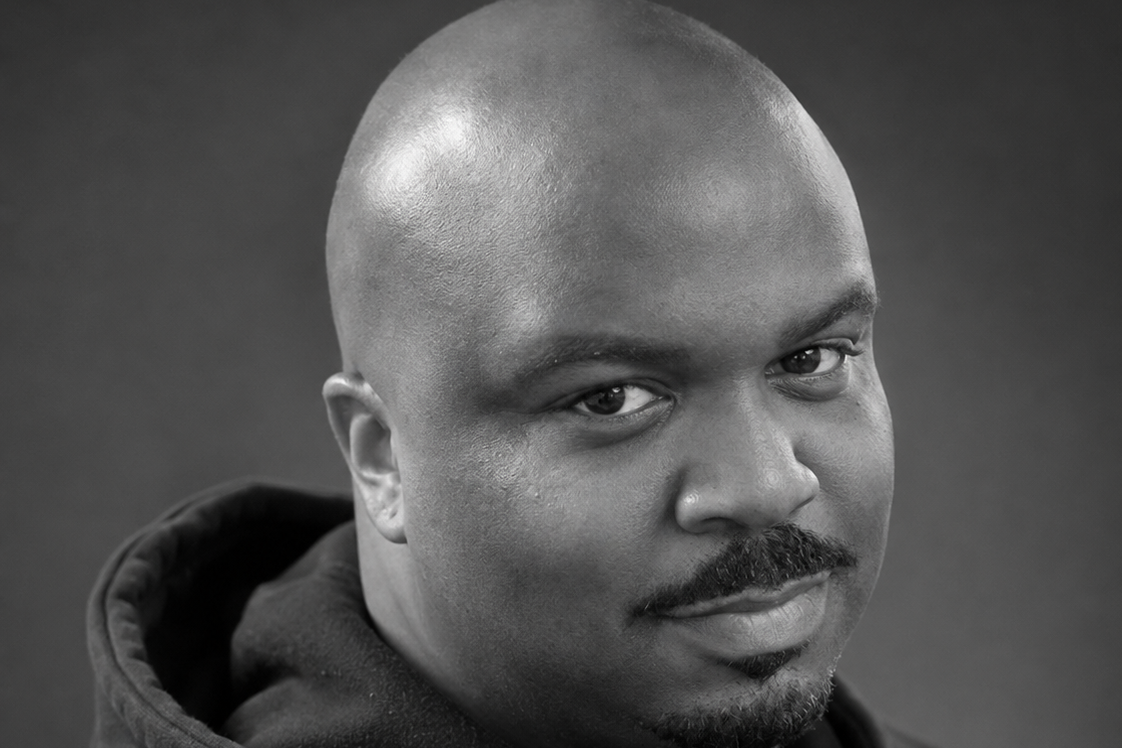
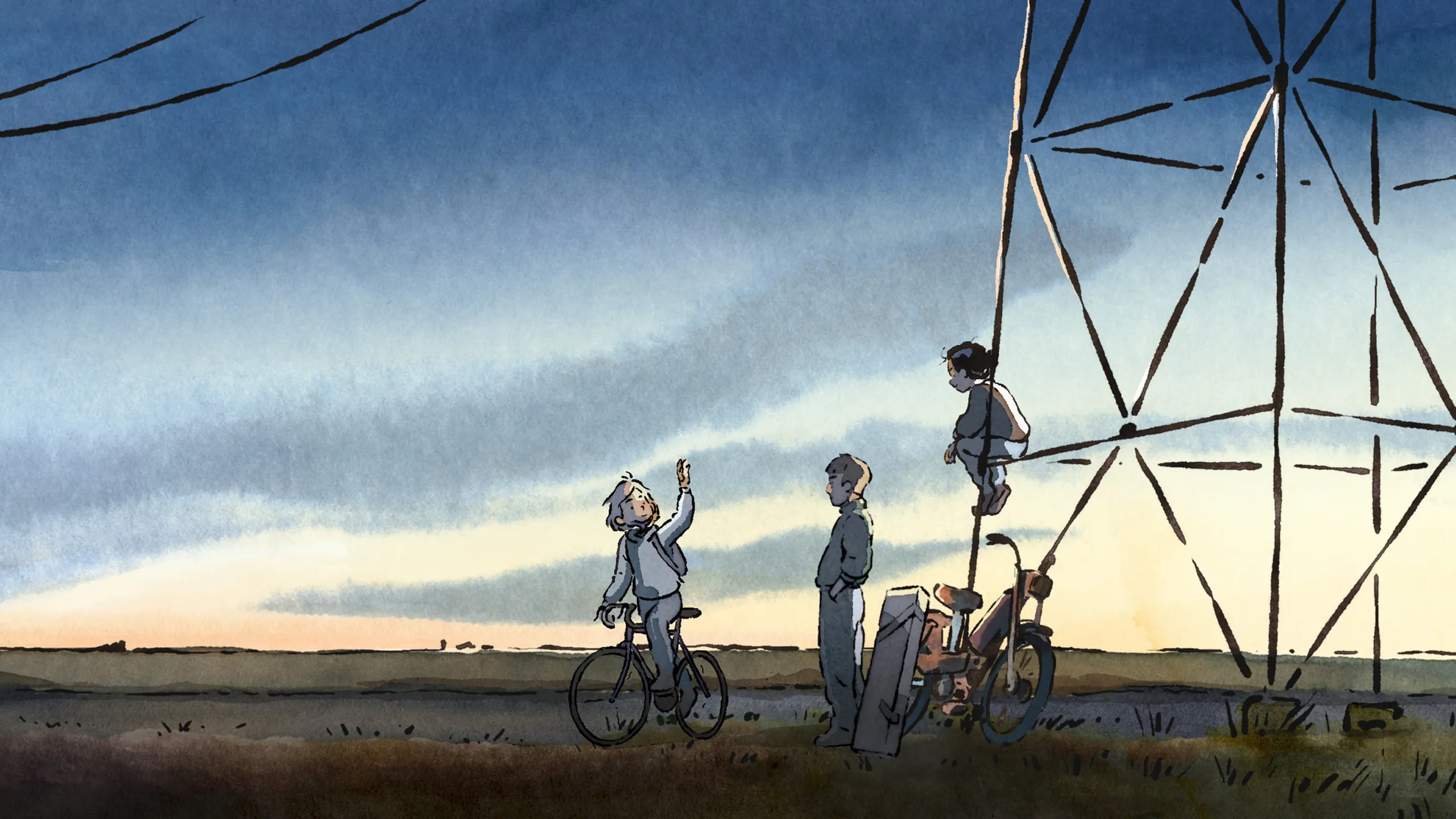
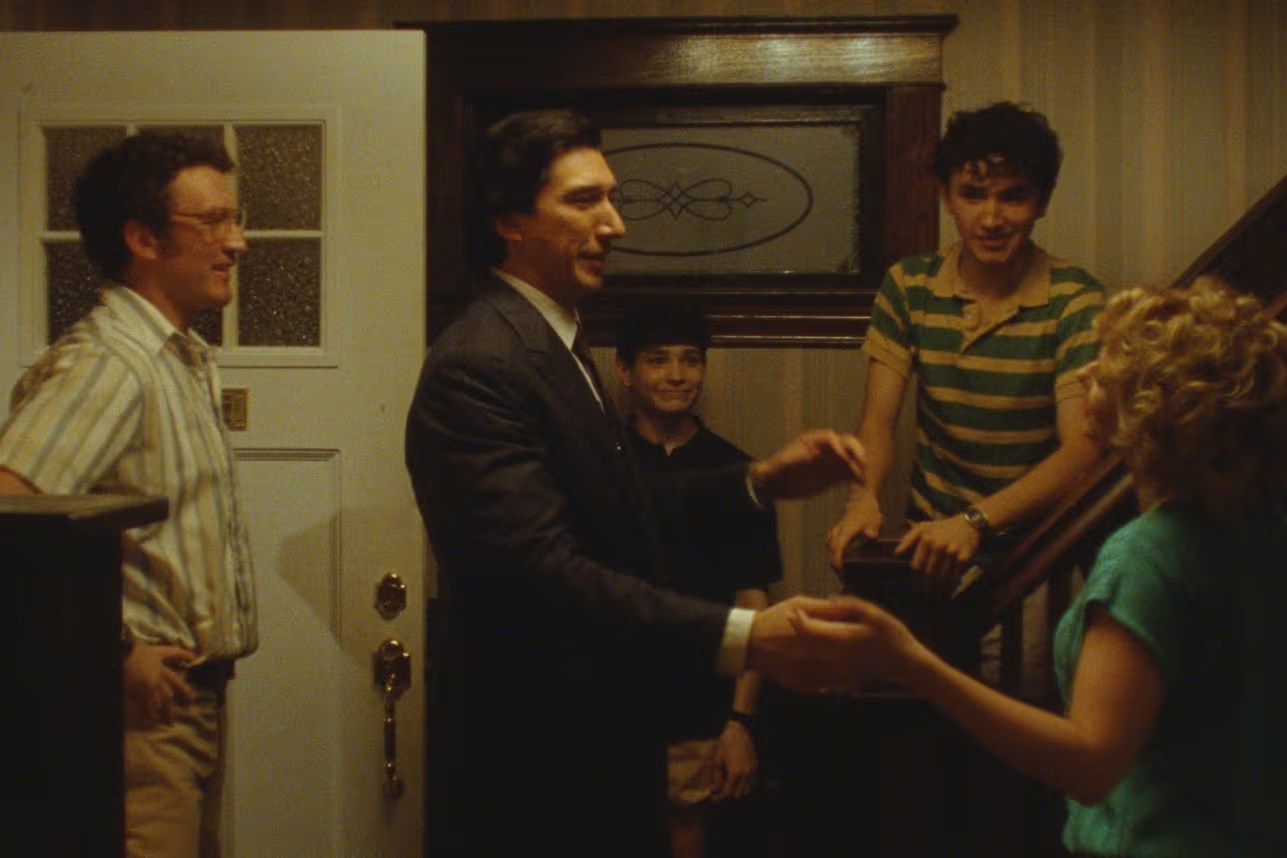
The 2026 Santa Fe International Film Festival showcases key titles including 'Paper Tiger' and 'Musk', marking an exciting lineup for this year.
Cristian Mungiu addresses the heated discussions surrounding his film 'Fjord,' emphasizing the importance of conversation without assumptions about his political views.
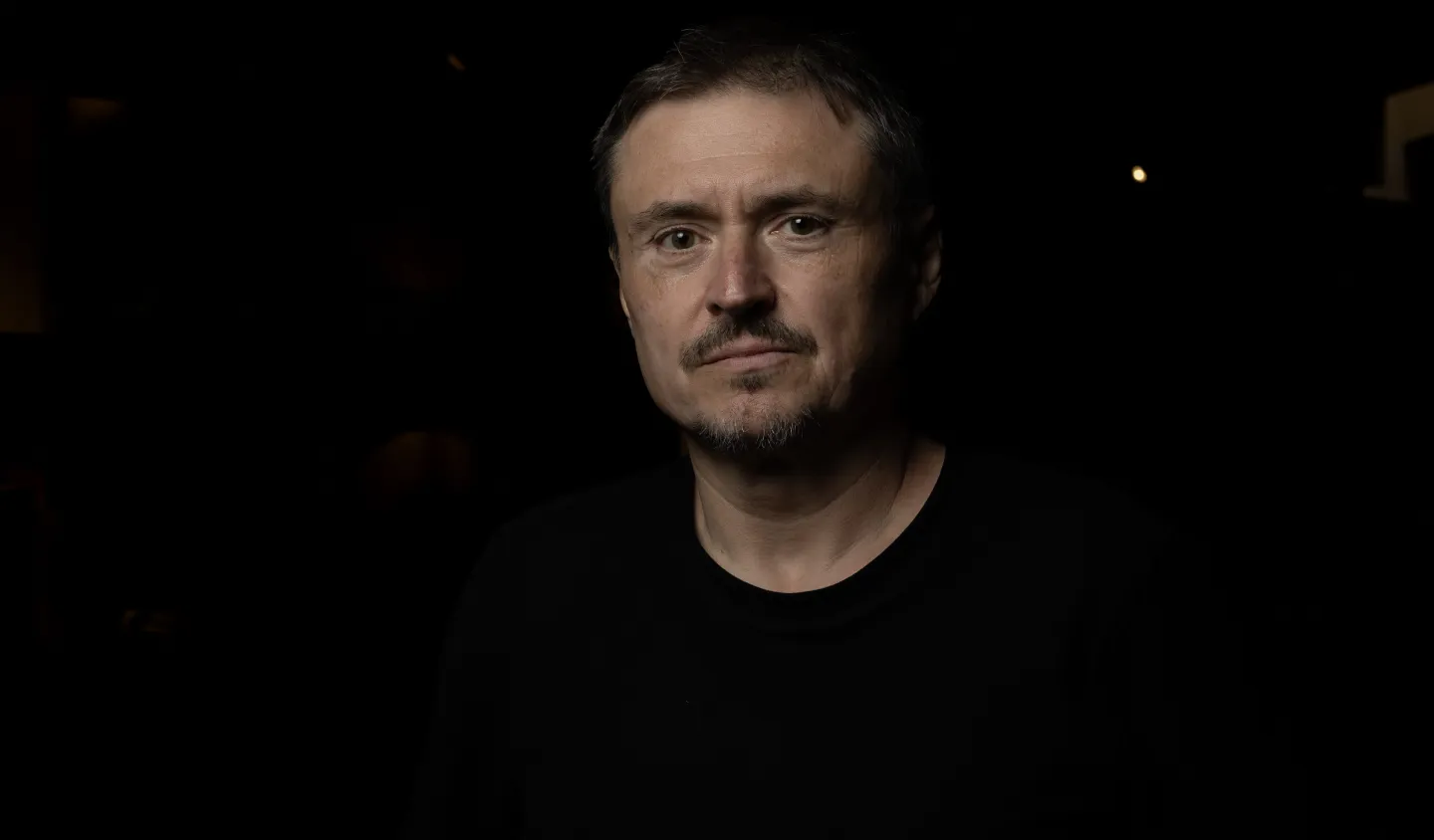
At the 2026 Telluride Film Festival, acclaimed Romanian director Cristian Mungiu spoke about his latest film, Fjord, which has ignited extensive discussion on social media following its premiere at Cannes. Mungiu, whose film won the prestigious Palme d’Or, is on the verge of what many consider an Oscar breakthrough. This development was reported by The Hollywood Reporter on September 6, 2026.
Mungiu has long been recognized for his sharp explorations of complex societal issues through his compelling narratives. However, as he pointed out, while audiences often dive into debates about a film’s political implications, they sometimes conflate the views of the characters or the story with those of the filmmaker. He stated, “People...assume that what the film says is the opinion of the filmmaker, and what the characters say is the truth. Come on.” This statement reflects his frustration with how Fjord has been interpreted, overshadowing its narrative intent.
The discussions surrounding Fjord mirror the film's exploration of polarization and societal divide. Premiering at Cannes this year, Mungiu noted the irony that the intense debate over the film's political stances was occurring even before many had seen it. He emphasized the necessity of dialogue around differing beliefs rather than swift judgments. Mungiu expressed that the very discussions ignited by the film underscore what he aims to portray: the current societal mindset, where people often rush to form opinions without fully engaging with the material.
With Fjord, Mungiu aims to foster conversation rather than explicitly advocate for a political viewpoint. The film addresses the complexities of a conservative Romanian family’s experience in Norway, challenging traditional narratives where films usually lean towards a clear moral direction. Mungiu remarked, “It became a sin not to embrace one of the points of view; you had to make a film either pro or against something.” In this regard, he hopes his film invites viewers to share their perspectives without feeling judged, allowing for a richer dialogue.
The film's themes are accentuated by its diverse character portrayals, featuring Sebastian Stan and Renate Reinsve as the parents navigating their new life in Norway. The casting reflects Mungiu's broader intention to make the film accessible and provoke thoughtful discourse across cultural lines. His collaboration with Stan, who has Romanian roots, allowed for a unique perspective to emerge within Fjord.
Mungiu’s return to the spotlight at Telluride, after a decade, is significant not only for the recognition of Fjord but also as a reflection of evolving critiques and the globalized nature of film viewership. His previous triumphs at Cannes, including the Palme d’Or for 4 Months, 3 Weeks and 2 Days, set high expectations; however, the reception to Fjord may align with the Academy's evolving standards in recognizing international talent.
As Fjord continues its festival run and approaches award season, Mungiu's ability to leverage social discussions could enhance its reception, solidifying his position as a leading voice in cinema today.
The discourse surrounding Fjord is expected to evolve as it reaches more audiences, with implications for both Mungiu’s career trajectory and the broader discussions on creative expression in cinema. As viewers engage with the film's themes, the opportunity for meaningful conversations about polarization and societal beliefs becomes more pronounced, marking Mungiu's film not just as a piece of art, but as a catalyst for discussion.
In conclusion, Cristian Mungiu’s reflections on Fjord serve to remind audiences of the importance of engaging with films critically and compassionately, recognizing the story’s complexity without oversimplifying the filmmaker’s intentions.
For more on cinematic debates and insights, read our take on the impact of social media on film critique and recent highlights from the Telluride Film Festival.
Entertainment news
EpisodeBreakdown may use automated tools to assist research, drafting, and formatting. Published pages are governed by our editorial and corrections policies, and source links are shown when they are available in the article record.
Discovery source: The Hollywood Reporter. The source identifies where the topic was discovered; EpisodeBreakdown is responsible for the commentary published on this page.
Reader response
Reactions and poll results are based on real reader responses. No account is required.