test
asdasd
Crunchyroll's latest shonen anime, Black Torch, draws inspiration from Naruto, improving character dynamics and narrative pacing.
Explore the franchise
In simple terms, Crunchyroll's latest shonen release, Black Torch, is being hailed as a spiritual successor to Naruto, especially among fans longing for a well-crafted, strong female character reminiscent of Sakura Haruno. The series not only draws from the narrative strengths of Naruto but refines them, giving viewers a contemporary experience that resonates deeply with its audience.
What happened is that Black Torch has quickly become one of this year's standout shonen titles, introducing a captivating blend of classic tropes and innovative storytelling. As fans flock to this new series, comparisons to Naruto are inevitable, but ultimately, Black Torch establishes its own identity by addressing past shortcomings in shonen narratives.
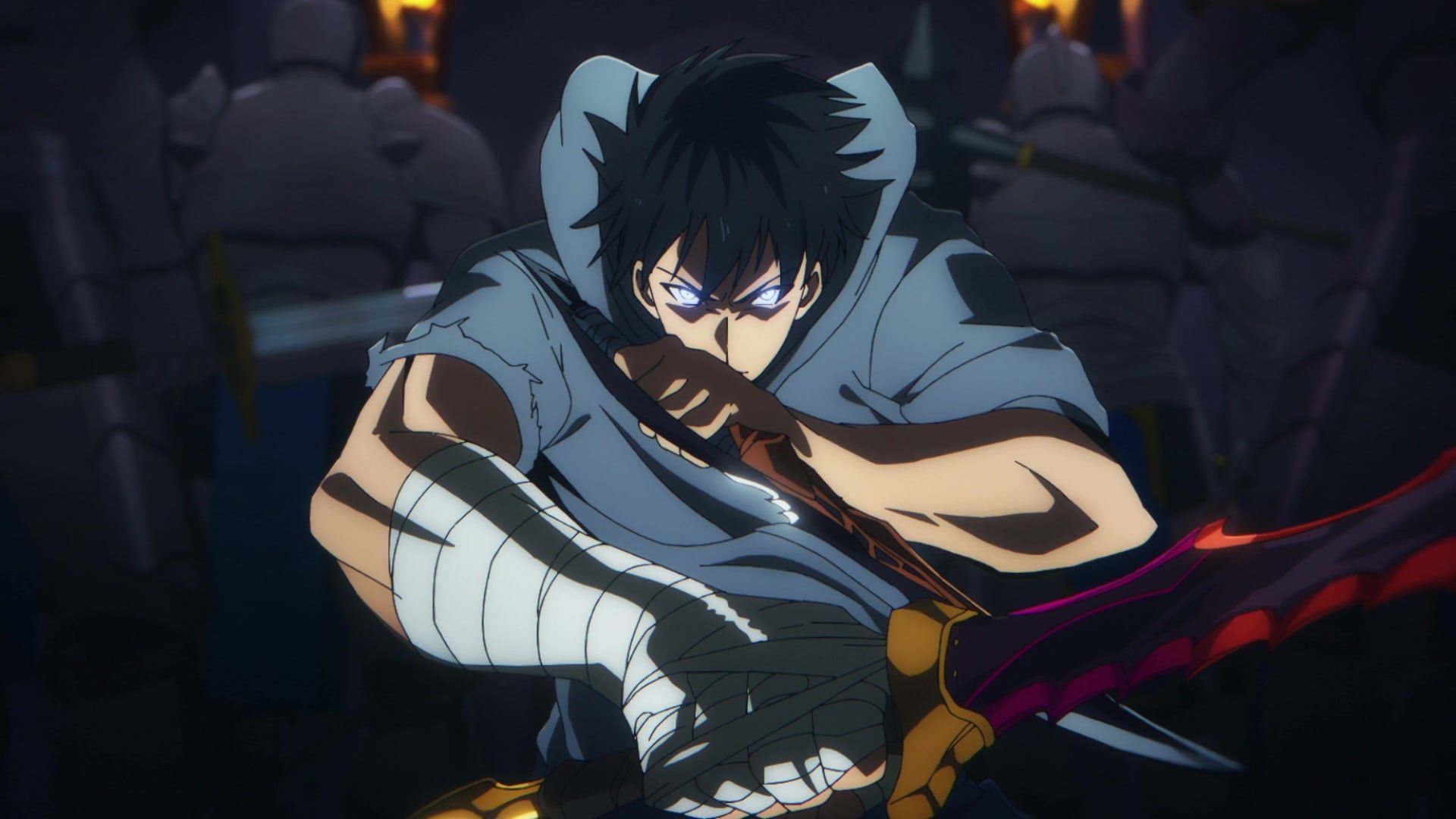
The main character, Jiro, is a ninja with a rich heritage—a theme that anyone familiar with Naruto would recognize. Early in the series, he gains an inner demon power akin to Naruto's relationship with the nine-tailed fox, Kurama. This setup facilitates a strong emotional connection that drives the narrative, paralleling Jiro's quest with important figures from his past.
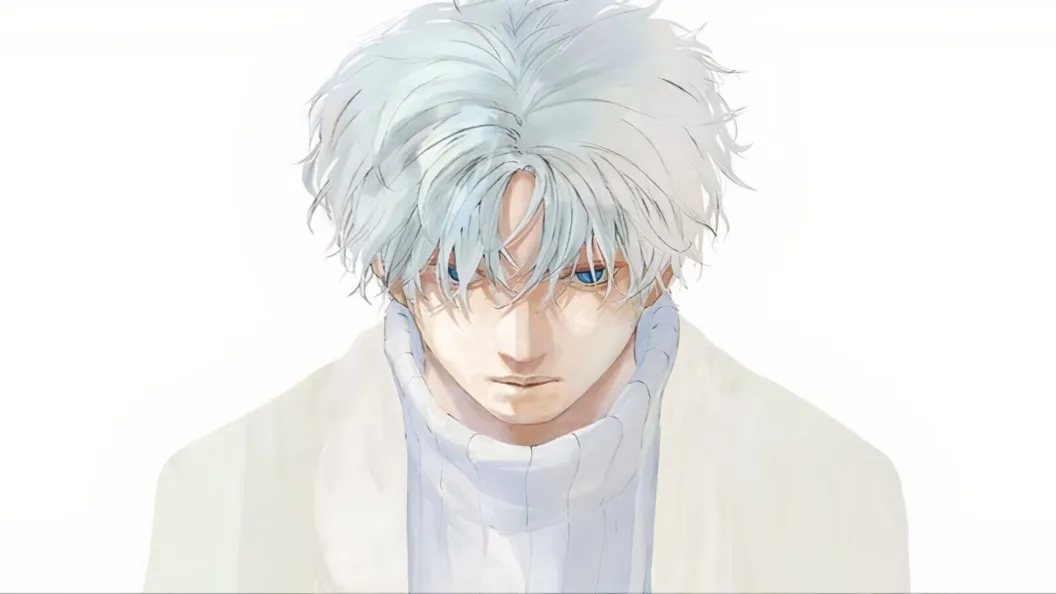
Moreover, the introduction of Reiji, who harbors familial conflict, invites comparisons to Naruto’s comrade, Sasuke Uchiha. Through these character parallels, Black Torch crafts a relatable journey for fans of the genre, building upon familiar foundations while pushing boundaries.
A standout feature of Black Torch is its female character Ichika. Unlike Sakura—who often struggled with depth earlier in the Naruto series—Iichika is portrayed with complex motivations and background, immediately establishing her as a formidable figure within the storyline.
Her compelling backstory reveals that her mother has been turned to stone by a malevolent creature known as a Mononoke. Driven by the desire to save her mother, Ichika's quest enhances her character's depth and aligns her with valor rather than mere admiration for her male counterparts.
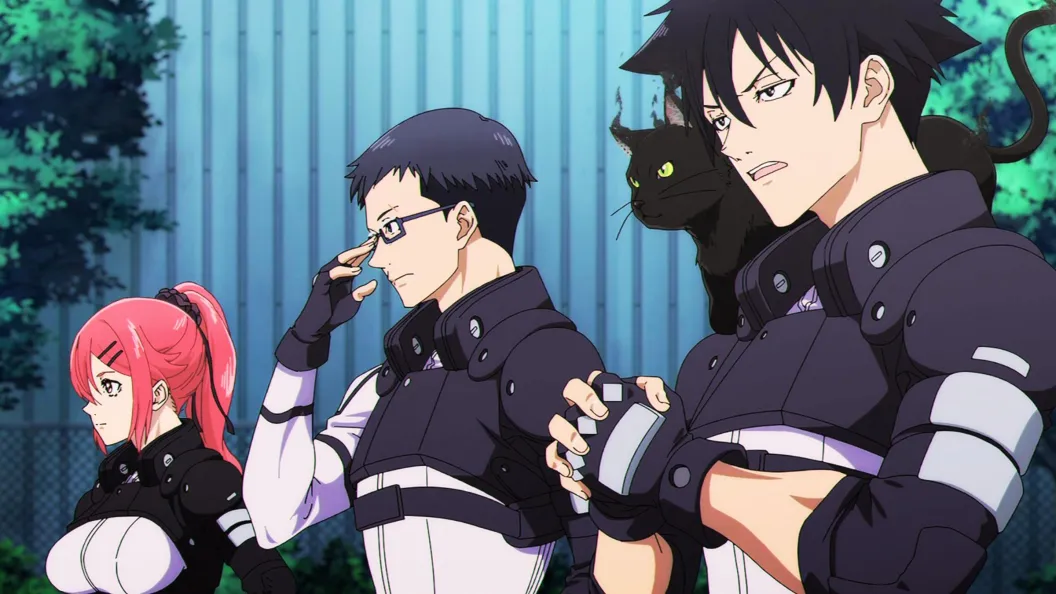
Moreover, what sets Ichika apart is her dynamic with Jiro and Reiji. She doesn't position herself as inferior or overly reliant, a common trope seen in many older shonen series. Instead, she asserts herself confidently, fostering a team dynamic that feels genuine and relatable.
The ensemble of characters in Black Torch resonates strongly with the concept of Team Seven from Naruto. However, the differences in how these relationships unfold are noteworthy. The core character interplay presents not only camaraderie but also tension, a crucial element that keeps the narrative engaging.
Ichika's assertiveness and shared agency with Jiro and Reiji give viewers a team that seeks equality, effectively flipping the dynamic often portrayed in older series. Black Torch’s writing seems to address critiques laid at the feet of early characters in Naruto; fans are now treated to a reimagined perspective on what camaraderie in a shonen team can look like.
As Black Torch continues to develop its characters and storyline, it refrains from falling into predictable traps, an aspect that could appeal to veteran viewers of the shonen genre.
In terms of aesthetics, Black Torch brings a polished and compelling visual experience, capturing the action-driven scenes with finesse. The series doesn’t shy away from darker themes, illuminating a mature side of shonen that resonates with a diverse audience. This aesthetic choice amplifies the emotional stakes of each character, allowing viewers to connect on a visual and narrative level.
The animation quality further contributes to its appeal, enhancing the motifs established in the storyline and helping build the atmosphere necessary for deeper narrative arcs. This aspect places Black Torch among the Anime of the Year contenders, thanks to its innovative blend of action and theme exploration.
The emergence of Black Torch represents a pivotal moment in the evolution of shonen anime. By refining the character archetypes and fostering narratives that resonate with modern audiences, it opens the door for deeper discussions around representation in anime. The anticipation around Ichika’s development, in particular, illustrates a shift towards stronger portrayal of female characters who are not merely sidekicks but vital contributors to the storyline.
For fans of the genre, Black Torch is a refreshing take that not only pays homage to Naruto but pushes forward the narrative complexities that contemporary viewers demand. This intriguing blend of nostalgia and innovation may well position it as a model for what future shonen series can achieve.
The clear takeaway is that while Black Torch may share similarities with beloved classics, it distinguishes itself with better character dynamics and deeper narratives, appealing to both longtime fans and newcomers alike. As the series progresses, the community will be eager to see how the creators continue to develop these compelling characters and their intricate journeys.
Story breakdown
EpisodeBreakdown may use automated tools to assist research, drafting, and formatting. Published pages are governed by our editorial and corrections policies, and source links are shown when they are available in the article record.
Discovery source: ComicBook.com. The source identifies where the topic was discovered; EpisodeBreakdown is responsible for the commentary published on this page.
Reader response
Reactions and poll results are based on real reader responses. No account is required.