Sons Of Anarchy’s Shakespearean Inspiration Revealed by TVLine
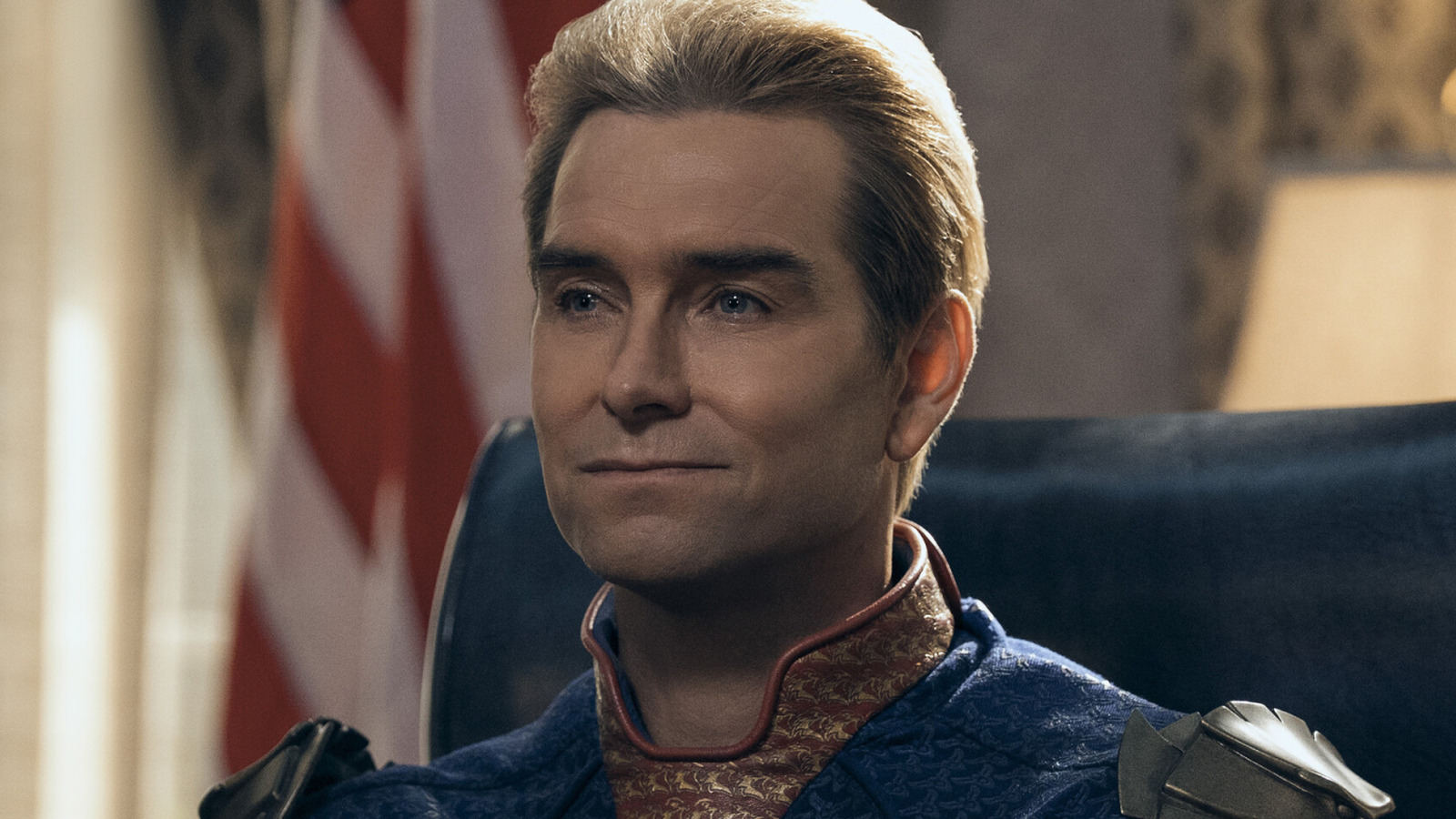
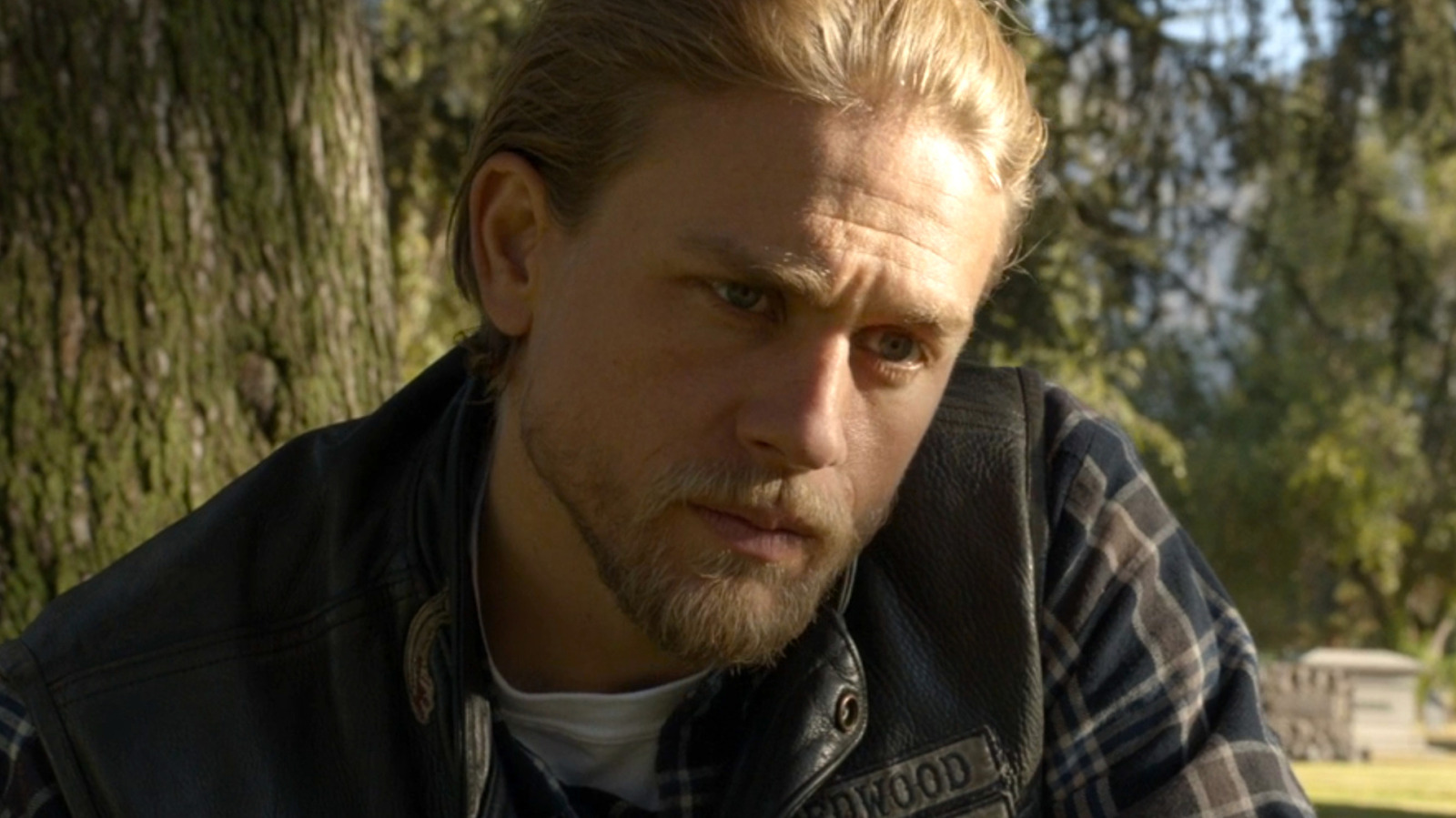
TVLine confirms 'Sons Of Anarchy' is inspired by Shakespeare's Hamlet, revealing deeper narrative connections.
Numerous DC Comics characters never made it to television as their cartoon adaptations were canceled during development. Here are five notable examples.
A recent report from TVLine details the unfortunate fate of five DC Comics characters whose animated series never made it to television. While DC has a rich history of successful animated adaptations featuring beloved superheroes, not every character has been granted the chance to shine on the small screen. The report highlights the various reasons these promising projects were abandoned before they could reach audiences.
In the early 1980s, there was an ambitious plan to adapt the "New Teen Titans" comic series into an animated show by Hanna-Barbera. The potential series, based on a pitch from comic writer Marv Wolfman, was set to include popular characters like Wonder Girl, Cyborg, Changeling (Beast Boy), Kid Flash, Starfire, and Raven. However, competition for programming slots led to this series being sidelined in favor of another hit. Instead, the property never progressed beyond preliminary development, demonstrating that even popular characters could face significant hurdles before getting their own spotlight.
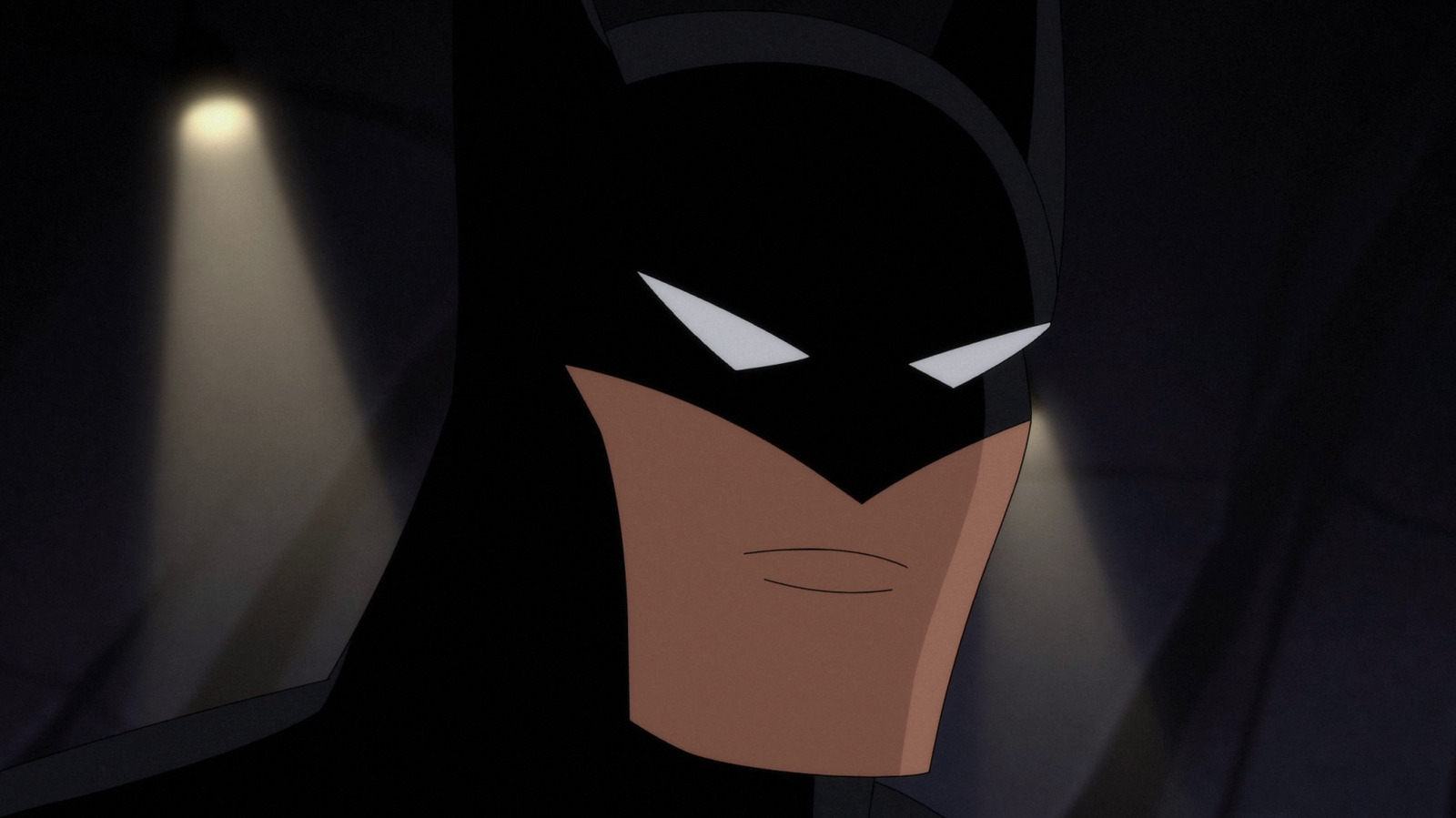
The iconic character Batman experienced a setback when a proposed adaptation of the acclaimed comic arc "No Man's Land" was scrapped. Producer James Tucker collaborated with concept artist Coran Kizer Stone for several months to create a series that was described as extremely dark. Warner Bros. Animation ultimately decided against moving forward, feeling the story was not suitable for the target audience. This decision highlighted the challenges of adapting darker narratives, regardless of their critical acclaim, into animated formats for younger viewers. The planned series would have featured notable characters such as Nightwing, Robin, Batgirl, and Catwoman and could have expanded Batman’s animated universe further.
Renowned animator Genndy Tartakovsky was once tasked with creating Superman shorts as part of the DC Nation programming block on Cartoon Network. However, as the initiatives evolved and ultimately folded, these projects were shelved. Tartakovsky expressed excitement about his take on Superman, leaving fans to wonder how his unique animation style could have redefined the character’s representation. The cancellation underscores how external shifts in programming can abruptly halt creative endeavors before they reach audiences.
Despite being a flagship hero, Wonder Woman has primarily appeared in ensemble casts, never receiving her own dedicated animated series. An early attempt was made by Filmation in the 1960s to create a solo Wonder Woman project alongside properties like Aquaman. However, due to the onset of the popular Batman series, these plans were discarded. Instead, Wonder Woman became a staple in the "Super Friends" program, demonstrating how shifting market interests dictate which characters receive focused development.
DC’s Captain Marvel, often known by the moniker “Shazam,” was the subject of a canceled animated series pitched by artist Alex Ross and writer Paul Dini. Their vision combined Bruce Timm's acclaimed design aesthetics with a more whimsical approach reminiscent of "The Powerpuff Girls." Although Cartoon Network showed preliminary interest, the project ultimately fell through, evidencing the often precarious nature of animated adaptations in relation to production schedules and market trends.
While DC Comics has a strong track record in producing animated material that resonates with fans, these cases illustrate the volatility of animation production. Each of these characters embodies potential that remained unrealized, reinforcing a narrative of resilience within the realm of superhero storytelling. The decisions to cancel these projects not only affected the trajectory of these beloved heroes but also represented broader publishing and entertainment trends that prioritized certain narratives over others.
The discussion surrounding these canceled DC Comics cartoons adds depth to the understanding of superhero media and its relationship with audience segments. Though the efforts did not always yield visible results, they highlight the creative experimentation that occurs behind the scenes, which fans can reflect upon when considering the comic book adaptations that have succeeded and those that have remained elusive.
Entertainment news
EpisodeBreakdown may use automated tools to assist research, drafting, and formatting. Published pages are governed by our editorial and corrections policies, and source links are shown when they are available in the article record.
Discovery source: TVLine. The source identifies where the topic was discovered; EpisodeBreakdown is responsible for the commentary published on this page.
Reader response
Reactions and poll results are based on real reader responses. No account is required.