‘Paper Tiger’ and ‘Musk’ Documentary Featured at 2026 SFIFF
The 2026 Santa Fe International Film Festival showcases key titles including 'Paper Tiger' and 'Musk', marking an exciting lineup for this year.
Fifteen years have passed since the acclaimed trailer for Dead Island was released, showcasing the divide between marketing excellence and game experience.
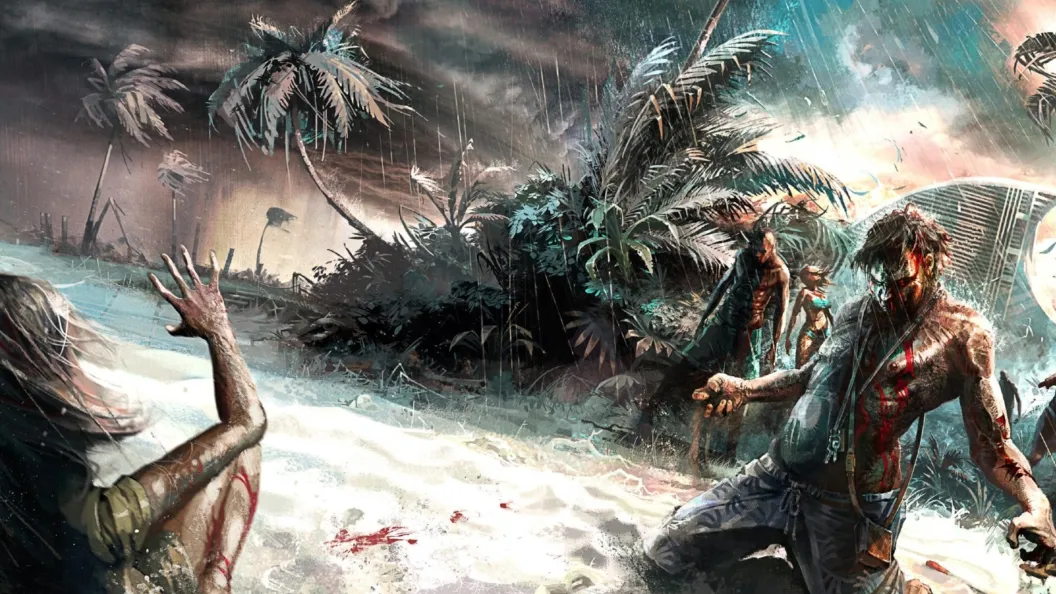
This year marks the 15th anniversary of the cinematic trailer for Dead Island, a short film that has been hailed as one of the most impactful advertisements in gaming history. The acknowledgment of this anniversary resurfaced in a piece by ComicBook.com, highlighting the trailer’s legacy and its juxtaposition with the actual game launched in 2011.
Produced by Axis Animation, the trailer is often remembered for its haunting portrayal of a zombie apocalypse through the eyes of a young girl, illustrating emotional stakes that were not reflected in the gameplay that followed.
Upon its release in February 2011, the Dead Island trailer earned widespread acclaim, becoming a viral sensation and winning recognition at the Cannes Lions International Festival of Creativity. The slow-motion narrative showcases the tragedy of a zombie outbreak, presenting a deeply emotional story—an approach that was seen as a breath of fresh air in the zombie genre of gaming. While many appreciated its artistry, expectations grew regarding the actual gaming experience. Unfortunately, those expectations were met with disappointment.
In stark contrast to the trailer’s emotional depth, the actual Dead Island game adopted a tone more akin to Zombieland, incorporating humor and snark, which detracted from the serious narrative set up by the cinematic. Critics pointed out that while the trailer suggested a sophisticated exploration of horror themes, the game itself relied on basic co-op mechanics reminiscent of titles like Left 4 Dead and Borderlands.
The initial Dead Island game released to middling reviews and, despite some commercial success, failed to achieve the critical acclaim that its marketing had set up. A subsequent sequel launched in 2023 saw a better reception, but both versions continued to struggle in aligning with the artistic representation of the trailer.
The legacy of Dead Island extends beyond its cinematic trailer, as it has contributed to an evolution in how video games are marketed.
Following the initial outrage of misrepresentation in gaming, industry practices have shifted significantly towards more truthful advertising. Streaming and social media platforms have empowered consumers to demand accuracy, which has made companies more cautious with their marketing techniques.
In a landscape that has become more discerning, developers increasingly recognize the importance of aligning promotional material with the gaming experience, reducing the risk of disappointing potential players. Films and trailers looking to captivate their audience have more frequently adopted narrative styles similar to the Dead Island trailer while remaining true to the core gameplay.
The anniversary of Dead Island’s trailer serves as a reminder of the changes in gaming marketing and audience expectations over the years. While the short film is celebrated for its artistic quality, it also highlights the necessity of integrity in game promotion. Companies are now held responsible for delivering experiences that match the emotional resonance they promise, reflecting a deeper understanding of player investment in storytelling.
For those interested in gaming history, Dead Island’s trailer remains a key moment in the ongoing dialogue about narrative, advertising, and gameplay in the digital age.
For more delightful insights into the world of gaming marketing and its evolution, check out our articles on the latest trends in gaming advertising and how iconic game trailers shape player perception.
Entertainment news
EpisodeBreakdown may use automated tools to assist research, drafting, and formatting. Published pages are governed by our editorial and corrections policies, and source links are shown when they are available in the article record.
Discovery source: ComicBook.com. The source identifies where the topic was discovered; EpisodeBreakdown is responsible for the commentary published on this page.
Reader response
Reactions and poll results are based on real reader responses. No account is required.