
Sadie Sink’s Marvel Role in Spider-Man: Brand New Day Revealed
Sadie Sink joins the MCU as Jean Grey in Spider-Man: Brand New Day, confirmed by recent announcements ahead of the film's release.
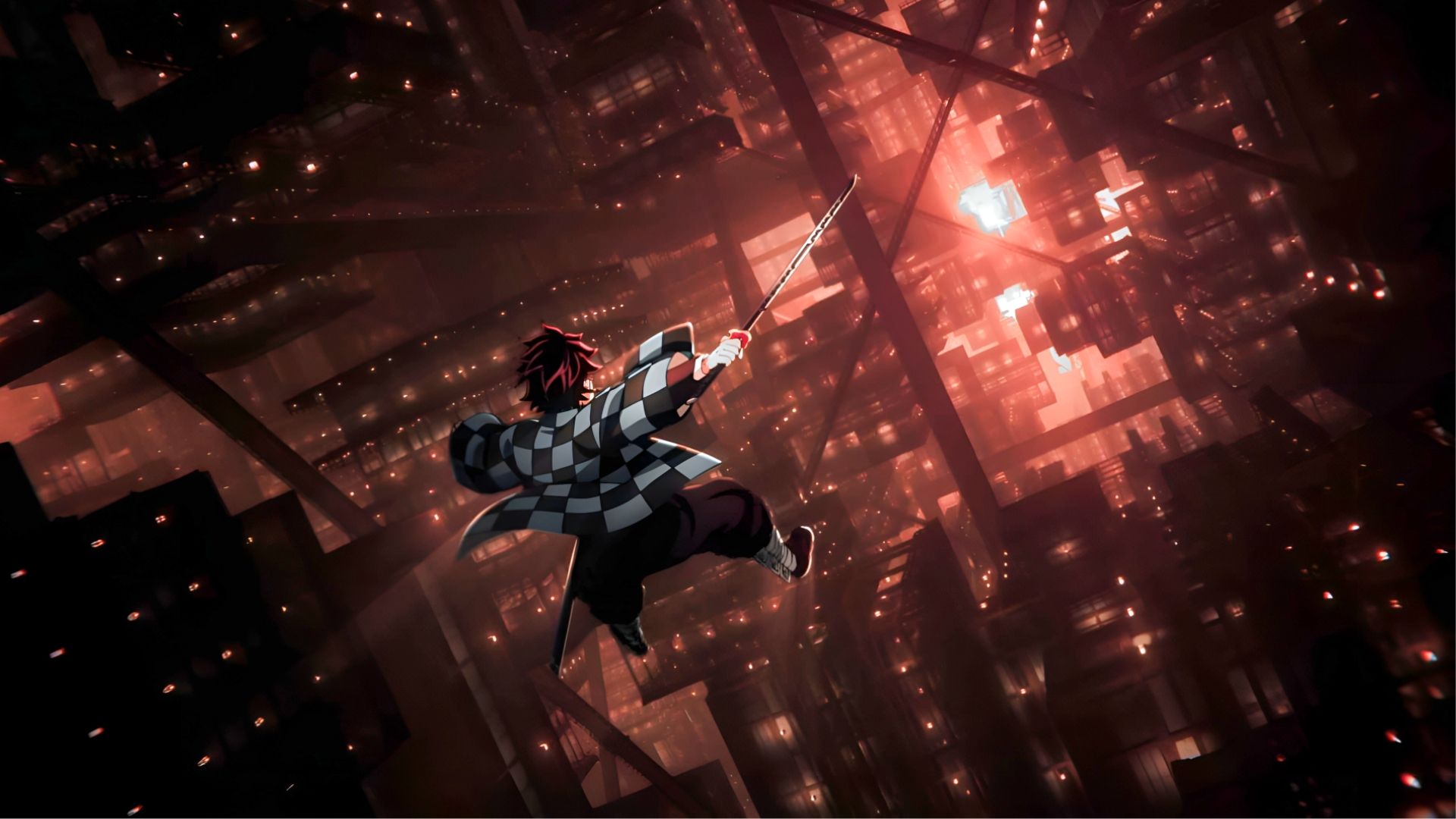
Explore the themes, characters, and epic climax of Demon Slayer: Infinity Castle.
Explore the franchise
At its core, Demon Slayer: Infinity Castle asks: What does it truly take to defeat evil when that evil seems to know every move you make? This movie not only serves as high-octane entertainment but also delves into the philosophical underpinnings of trust, alliance, and sacrifice as Tanjiro and his companions confront Muzan Kibutsuji within a seemingly endless battle.
Here is what is confirmed: This latest installment in the Demon Slayer franchise boasts an impressive $800 million worldwide box office revenue and is taking the anime streaming world by storm since its release on Crunchyroll. It follows the events immediately after the Hashira Training Arc and introduces viewers to a captivating blend of action and character development, as our heroes find themselves trapped in Muzan's Infinity Castle.
The film picks up from a pivotal moment in the series: after a series of victories for the Demon Slayer Corps, Muzan fights back dramatically, opting for direct confrontation rather than the stratagem he previously employed. This decision marks a significant turning point. By inviting Tanjiro and several Hashira into the Infinity Castle, Muzan sets the stage for a clash that is both physical and mental.
Trapped within the castle, which is almost a character in its own right, our heroes must navigate a labyrinth filled with challenges that test their courage and resolve. The castle’s shifting architecture becomes a metaphor for the unpredictability of their fight and offers continual reminders of the stakes at play. The animation and artistry reflect an unparalleled level of craftsmanship that enhances the film's emotional gravity, reminding audiences of the theme of perseverance against insurmountable odds.
Another confirmed aspect of the narrative is its exploration of camaraderie and the sacrifices demanded of the characters. The bond among Tanjiro, Nezuko, and the remainder of the Hashira is tested as they confront some of the fiercest demons yet. The film accentuates that true strength often lies within alliances formed through shared experiences and trials.
For instance, Tanjiro's compassion and determination resonate strongly throughout the film, with his character growth depicted through moments of vulnerability. His relationships serve as anchors in a tumultuous battle against Muzan and the Twelve Kizuki. These relationships highlight that in the face of darkness, allies become a source of light, framing the battle against evil as not merely a physical struggle but also emotional and psychological.
As the characters confront their physical limitations, the film invests in subtle storytelling. Viewers are given clues about the characters' pasts and motivations, which become instrumental in the unfolding events. Flashbacks play a critical role, revealing the histories that inform their decisions in the present. This technique bridges the past and present, enriching the characters and raising the stakes for their struggle.
Moreover, the strategic maneuvers executed by Tanjiro and the Hashira during their escape from the castle suggest that intellect plays as vital a role as brute strength. This indicates that the upcoming installments in the trilogy may further explore the psychological warfare between heroes and villains, providing a more nuanced view of what it means to battle evil.
As the film nears its climax, it becomes clear that the Hulk-like force of Muzan against the combined efforts of Tanjiro and the Hashira is not just a physical confrontation but a moral standing against despair. Here, a confirmed event showcases the harrowing choices the characters must make, leading to sacrifices that any true hero would face. The climax of the film encapsulates the essence of the struggle: it’s not merely about defeating evil but choosing how to confront that evil.
Muzan's continuous evolution as an antagonist is deeply woven into the narrative, providing a richly layered tension that culminates in a breathtaking battle sequence, as well as an emotional payoff that resonates with viewers. The conclusion hints at future turmoil, not just for Tanjiro, but for a world left reeling from the consequences of their battle, confirming that more is yet to come in this saga.
Demon Slayer: Infinity Castle is the first film in a trilogy signaling the beginning of the end for the beloved franchise. While fans are thrilled at the epic storytelling and visual splendor, a bittersweet feeling lingers, as this chapter draws closer to its conclusion. There remains much to unveil as the untitled second film in the trilogy is awaited, raising questions not only about character arcs but also the fate of the world they inhabit.
In parallel with the excitement generated by the film, we can observe related themes and character arcs found in other cinematic masterpieces. For example, if you're interested in the emotional toll of sacrifice and the evolution of characters within adversity, you may enjoy analyzing Lioness Season 3: A Bold Shift in Taylor Sheridan's Espionage Drama, which explores similar themes of loyalty and betrayal in a high-stakes setting.
The overwhelming success of Demon Slayer: Infinity Castle, hailed as a near-perfect action fantasy epic, confirms a strong appetite for complex storytelling within the fantasy genre that resonates with audiences operating on multiple emotional levels. It's evident that anime has cemented its place not only in the streaming space but also in the cultural zeitgeist, blending rich narratives with jaw-dropping animation.
As the fandom awaits the next installment, there's a clear understanding that this story extends beyond mere entertainment; it embodies the very struggles of humanity, reflecting the capacities of love, sacrifice, and friendship in the face of daunting evil.
For further insights, explore our articles on Kathryn Hahn's portrayal as Mother Gothel, or check out the emotional context of Supergirl's deleted scene.
Movie explanation
EpisodeBreakdown may use automated tools to assist research, drafting, and formatting. Published pages are governed by our editorial and corrections policies, and source links are shown when they are available in the article record.
Discovery source: MovieWeb. The source identifies where the topic was discovered; EpisodeBreakdown is responsible for the commentary published on this page.
Reader response
Reactions and poll results are based on real reader responses. No account is required.