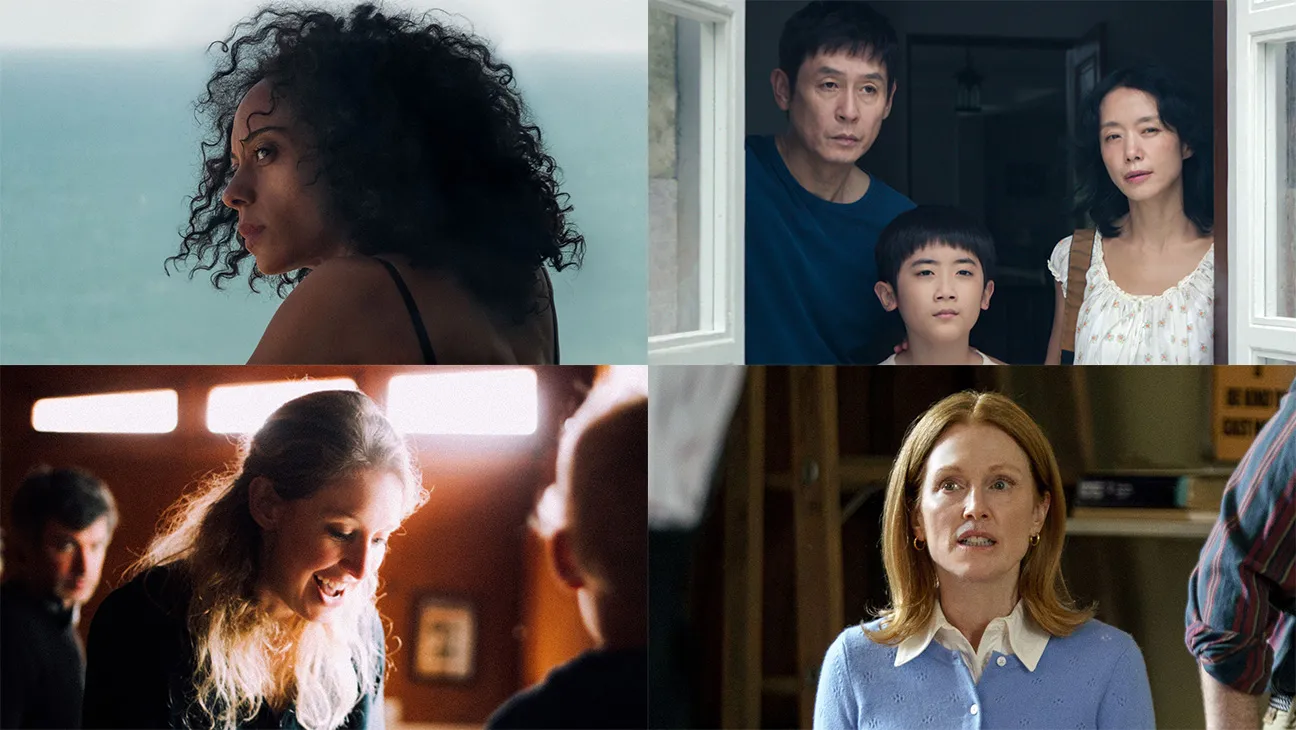
The Best Films of the Fall Festivals: THR Critics’ Picks
THR rounds up the top 13 films from Venice, Telluride, and Toronto, spotlighting unique narratives and standout performances.
Microsoft and OpenAI face scrutiny as court documents reveal their AI systems may be built on unauthorized content from publishers.
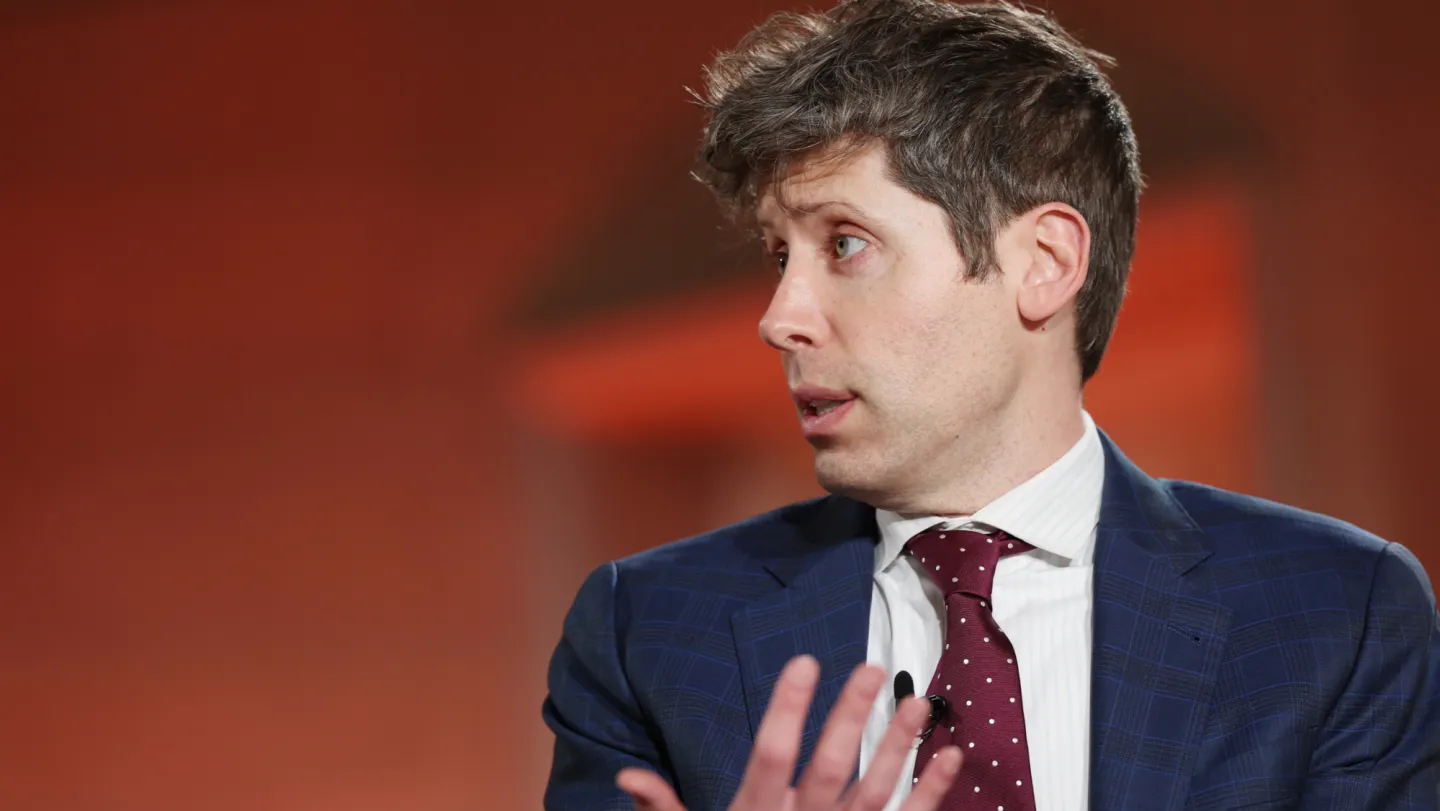
Newly unsealed court documents indicate that Microsoft and OpenAI executives are facing allegations that their AI systems were built on content obtained without proper authorization from publishers. This controversy is ignited by a lawsuit filed by The New York Times and several other publishers, asserting that their copyrighted material was used to train AI models without compensation, raising the specter of theft in the tech industry.
The documents reveal considerable anxiety among Microsoft and OpenAI leaders concerning the ethical implications of their AI developments. Brent Hecht, Microsoft’s Director of Applied Science, characterized the situation as potentially "the largest theft of labor in human history." This reflection underscores the significant legal vulnerabilities these companies face as public scrutiny intensifies regarding the ethical consumption of intellectual property.
A central aspect of the lawsuit focuses on claims that major publishers, including The New York Times, are experiencing detrimental effects from being excluded from revenue discussions related to AI technologies. The publishers argue that these AI models are not only using their work without consent, but also diminishing the market value of original journalism by providing users with substantial verbatim content.
Central to the argument is the fair use doctrine, which permits limited use of copyrighted material without authorization under specific conditions. Determining whether Microsoft and OpenAI's actions qualify as fair use will involve a critical four-factor analysis, including the purpose and character of the use as well as its effect on the market value of the original works. The nature of the companies' practices could ultimately define the fate of AI development legality in the context of copyright law. Notably, OpenAI's head of ChatGPT has admitted that their products are perceived as substitutes for original journalism, further complicating their legal defense.
The implications of these legal battles reach far beyond current events, posing significant questions for the sustainability of AI business models. If Microsoft and OpenAI cannot effectively prove their use of copyrighted material was justified under fair use, the consequences could lead to a major shift in AI development protocols and regulatory scrutiny in the tech industry. The outcome of this litigation could establish new precedents, altering how AI technologies engage with published content moving forward.
The revelations from the unsealed documents present a severe challenge for Microsoft and OpenAI, prompting a reevaluation of their operational practices and business strategies. As the litigation proceeds, the determination of fair use will likely influence future legal disputes across the AI landscape. The results could define not only the fortunes of these companies but also the broader future of AI in relation to intellectual property rights.
For ongoing updates, follow our coverage on industry developments, including related stories like Madonna Set to Open MTV Video Music Awards.
Entertainment news
EpisodeBreakdown may use automated tools to assist research, drafting, and formatting. Published pages are governed by our editorial and corrections policies, and source links are shown when they are available in the article record.
Discovery source: The Hollywood Reporter. The source identifies where the topic was discovered; EpisodeBreakdown is responsible for the commentary published on this page.
Reader response
Reactions and poll results are based on real reader responses. No account is required.