Physical Media's Struggle in the Gaming Industry
The increasing trend towards digital gaming has significant implications for physical media and its future.
Disney's cancellation of Wonder Man marks a significant shift in its strategy for Marvel and Star Wars, potentially signaling the end of an era in streaming.
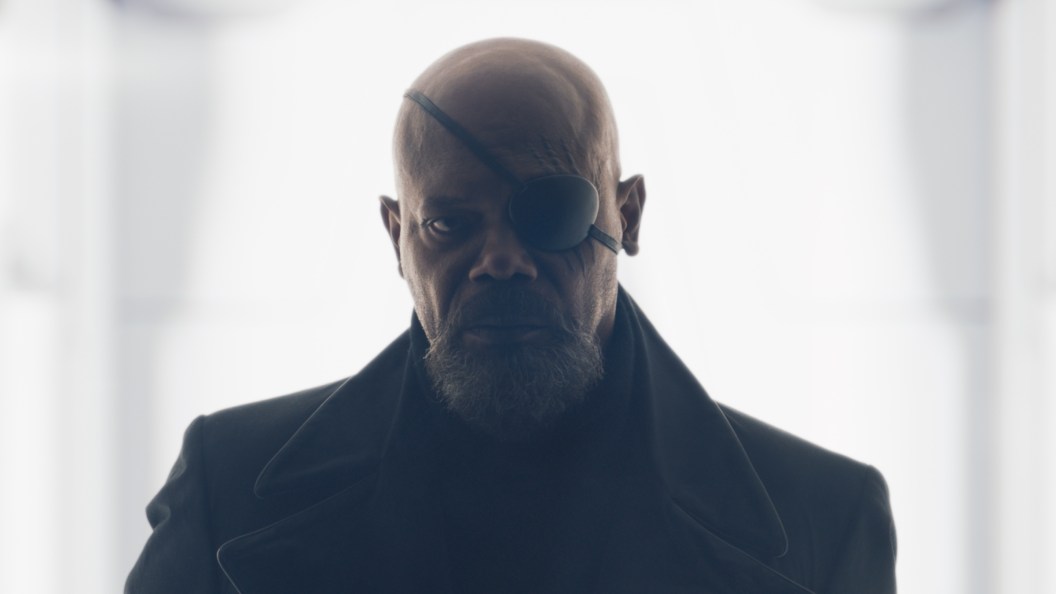
In simple terms, Disney has begun to phase out a controversial chapter within its Marvel and Star Wars franchises. This was officially announced with the unexpected cancellation of the Marvel series Wonder Man, despite its renewal earlier this year. The news came from ComicBook.com on August 1, 2026, indicating a definitive shift in direction for Disney's approach to content in these beloved franchises.
Throughout the 2010s, Disney firmly established itself as a leading studio, propelled by the extraordinary success of its Marvel and Star Wars properties. Titles such as The Force Awakens and Avengers: Endgame shattered box office records, positioning Disney as a titan in the film industry. The launch of Disney+ marked the studio's ambition to expand these universes through a wide array of live-action television series. However, this strategy has faced increasing scrutiny as audience demands and reactions have evolved.
Disney's aggressive push into streaming aimed to captivate fans by tapping into the vast storytelling potential of both Marvel and Star Wars. However, the subsequent release of multiple series yielded mixed results. While shows like The Mandalorian and WandaVision garnered acclaim and fanfare, many later installments drew controversy, often resulting in franchise fatigue among audiences. This shift became increasingly apparent as Disney announced no new upcoming live-action shows beyond those already filmed, with fans questioning the sustainability of this content-delivery model.
The abrupt cancellation of Wonder Man serves as a powerful symbol of Disney’s broader strategy shift. By scrapping the series, even after its renewal, Disney signals a resolute move away from relying heavily on streaming content. This decision might be considered a metaphorical nail in the coffin for Disney's streaming era, defined primarily by a consistent output of content. As per the same source, the only Marvel and Star Wars series expected for release are already filmed. Upcoming titles, including VisionQuest and Ahsoka Season 2, are slated for late 2026 and 2027, indicating that Marvel is closing a chapter in its ambitious television narrative.
Moving forward, both the Marvel and Star Wars brands appear to be adopting a “less is more” mindset. This revised strategy contrasts sharply with the perceived oversaturation of their content in the past years. Kevin Feige, head of Marvel Studios, acknowledged that the sprawling universe had become overwhelming for audiences, making it feel like too much of a commitment to keep up with the interconnected narratives. The goal is to streamline the storylines to make them more accessible, potentially revitalizing interest in these franchises.
As audiences increasingly have access to numerous streaming options, the frequent release of multiple shows and films may have inadvertently dilated the excitement around the Marvel and Star Wars brands. The joy and anticipation associated with the launch of new titles diminished when they were released too frequently, leading to a lack of consuming enthusiasm. Lessons from this era suggest that scaling back can create a more meaningful connection between the stories and their audiences.
The cancellation of Wonder Man, along with a pause in new live-action adaptations, suggests that Disney may be intentionally allowing space for fans to appreciate future content. Nostalgia-driven excitement flourished in the earlier parts of the 2010s, largely because of the infrequency of new releases—now, this appears to be a crucial consideration in their path forward.
As Disney maneuver through this evolving landscape of film and streaming, the emphasis on fewer, high-quality projects may ultimately be its path to returning to its roots, reminiscent of the excitement that surrounded both Marvel and Star Wars in their earlier phases. While upcoming projects such as Ghost Rider and Black Panther may generate buzz for theaters, Disney must balance these releases with the expectations of a less-fragmented narrative. The stakes are high, as audiences reflect on their long-term relationship with these beloved franchises.
In conclusion, Disney's surprising strategy shift signals a critical transitional phase in how they handle the beloved universes of Marvel and Star Wars. As they contemplate their next chapters, fans and industry observers alike will be watching closely to see if this recalibration can restore the excitement that these franchises once commanded.
Entertainment news
EpisodeBreakdown may use automated tools to assist research, drafting, and formatting. Published pages are governed by our editorial and corrections policies, and source links are shown when they are available in the article record.
Discovery source: ComicBook.com. The source identifies where the topic was discovered; EpisodeBreakdown is responsible for the commentary published on this page.
Reader response
Reactions and poll results are based on real reader responses. No account is required.