Spider-Man: Brand New Day's Box Office Marvel
Analyzing the success of Spider-Man: Brand New Day's incredible box office performance and deeper themes.
This article analyzes 'Down the Arm of God,' a poignant film that tackles homelessness with empathy and realism.
The film 'Down the Arm of God' raises a pressing question: How can storytelling address the complexities of homelessness without falling into exploitation or sentimentality? In simple terms, the film aims to elevate authentic voices from the homeless community, moving beyond statistics to explore individual human experiences. It does this through a narrative that intertwines personal and societal themes, challenging viewers to reconsider their perceptions of homelessness.
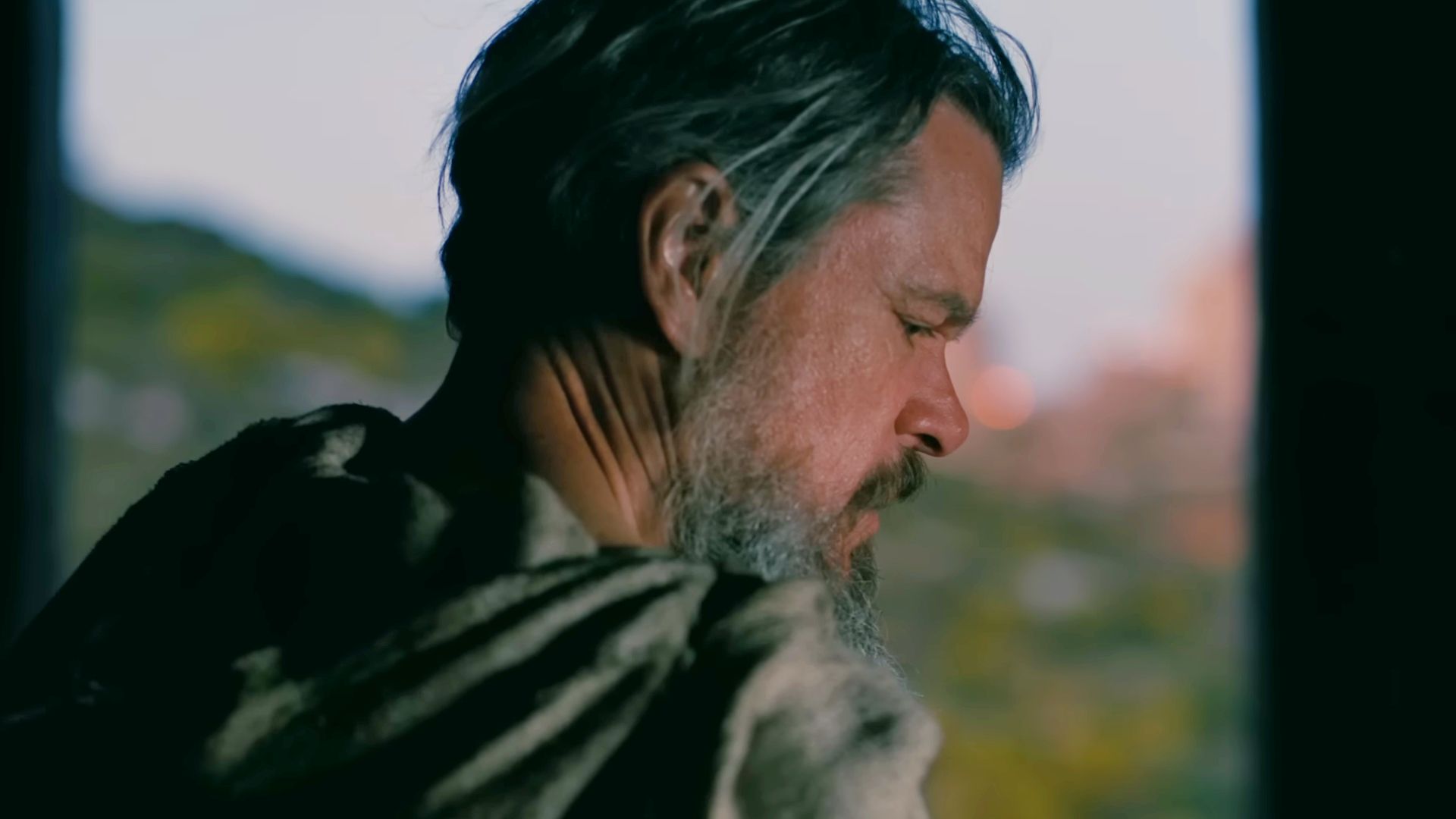
'Down the Arm of God' is the result of a creative collaboration that underscores the importance of community in filmmaking. Directed by Peter Brunner and featuring notable performances from Caleb Landry Jones and others, the film seeks to portray the nuances of homelessness by including the very voices impacted by it in the creation process. The screenplay was developed in conjunction with individuals who have experienced homelessness, making their realities the heart of the narrative.
Brunner, a former student of acclaimed director Michael Haneke, emphasizes that the film is rooted in real conversations rather than abstract portrayals. This grounded approach serves to create a more complex and empathetic view of homelessness, aiming to break down stereotypes that often accompany such narratives. Rather than simply tell a story about homelessness, it seeks to invite discourse around it.
The film centers on a young pastor named Nick, portrayed by Caleb Landry Jones, who is committed to aiding the homeless in his Texas town. However, he faces a myriad of challenges from a resistant congregation and the harsh realities of winter. One pivotal moment occurs when Nick begins to intimately engage with the community he wishes to support. Instead of viewing them through the lens of charity, he starts to recognize their complexities, struggles, and shared humanity. This turning point not only propels his character development but also challenges the audience to reassess what it means to help others.
Moreover, the film invites viewers to consider broader systemic issues surrounding homelessness, suggesting it is not merely an individual failing but a result of societal neglect. This systemic perspective is woven throughout the interactions and conflicts presented in the film, as conflicts arise within Nick's congregation regarding their commitment to aiding the less fortunate.
A recurring theme in 'Down the Arm of God' is the exploration of connection. The film transcends a simplistic portrayal of the homeless experience by diving into the connections formed among individuals, highlighting love and loyalty even in the direst of circumstances. The filmmakers aspire to humanize the characters, giving viewers insight into their lives, relationships, and traumas.
Furthermore, the film's creators have positioned it as a conversation starter rather than an advocacy piece. This distinction is crucial: they wish to encourage understanding and discussion, rather than offer a prescriptive message. By showcasing authentic narratives, the film helps mitigate the risk of being labeled as 'poverty porn' or falling into the trap of ethnic or social voyeurism. Instead, it functions as an invitation to explore and empathize.
The conclusion of 'Down the Arm of God' ties together the various narrative threads while remaining open-ended. As the story progresses, Nick’s commitment to understanding the realities faced by homeless individuals becomes a transformative journey for him and those around him. The final scenes elevate nuance over resolution, leaving viewers with thoughtful questions rather than clear answers.
While the film culminates with a sense of urgency in raising awareness, it simultaneously reflects the ongoing struggle against systemic injustices. The ending powerfully resonates with the central theme of connection, exemplifying how Nick's interactions with the community have changed him.
In partnership with The Art of Elysium, 'Down the Arm of God' also aims to create a curriculum focusing on empathy. This project highlights the filmmakers' desire for audiences to leave the theater with not just reflections but actionable insights into their own lives. The intent is to provoke genuine dialogue, steering away from a didactic approach to one that fosters understanding and connection.
Overall, 'Down the Arm of God' serves as both a cinematic exploration of homelessness and a rallying cry for empathy. By firmly placing the voices of those impacted by homelessness at its core, the film underscores that storytelling can encourage connection and human understanding—instead of merely serving as entertainment. Its nuanced portrayal encourages audiences to engage deeply with the issues presented and potentially reflect those lessons in their daily lives.
For additional insights on the blend of artistic expression and social issues in filmmaking, check out our analyses of other impactful films, such as Analyzing 'Ketticè' and James Gray on Film: Actors, Dreams, and the Essence of Cinema.
Movie explanation
EpisodeBreakdown may use automated tools to assist research, drafting, and formatting. Published pages are governed by our editorial and corrections policies, and source links are shown when they are available in the article record.
Discovery source: The Hollywood Reporter. The source identifies where the topic was discovered; EpisodeBreakdown is responsible for the commentary published on this page.
Reader response
Reactions and poll results are based on real reader responses. No account is required.