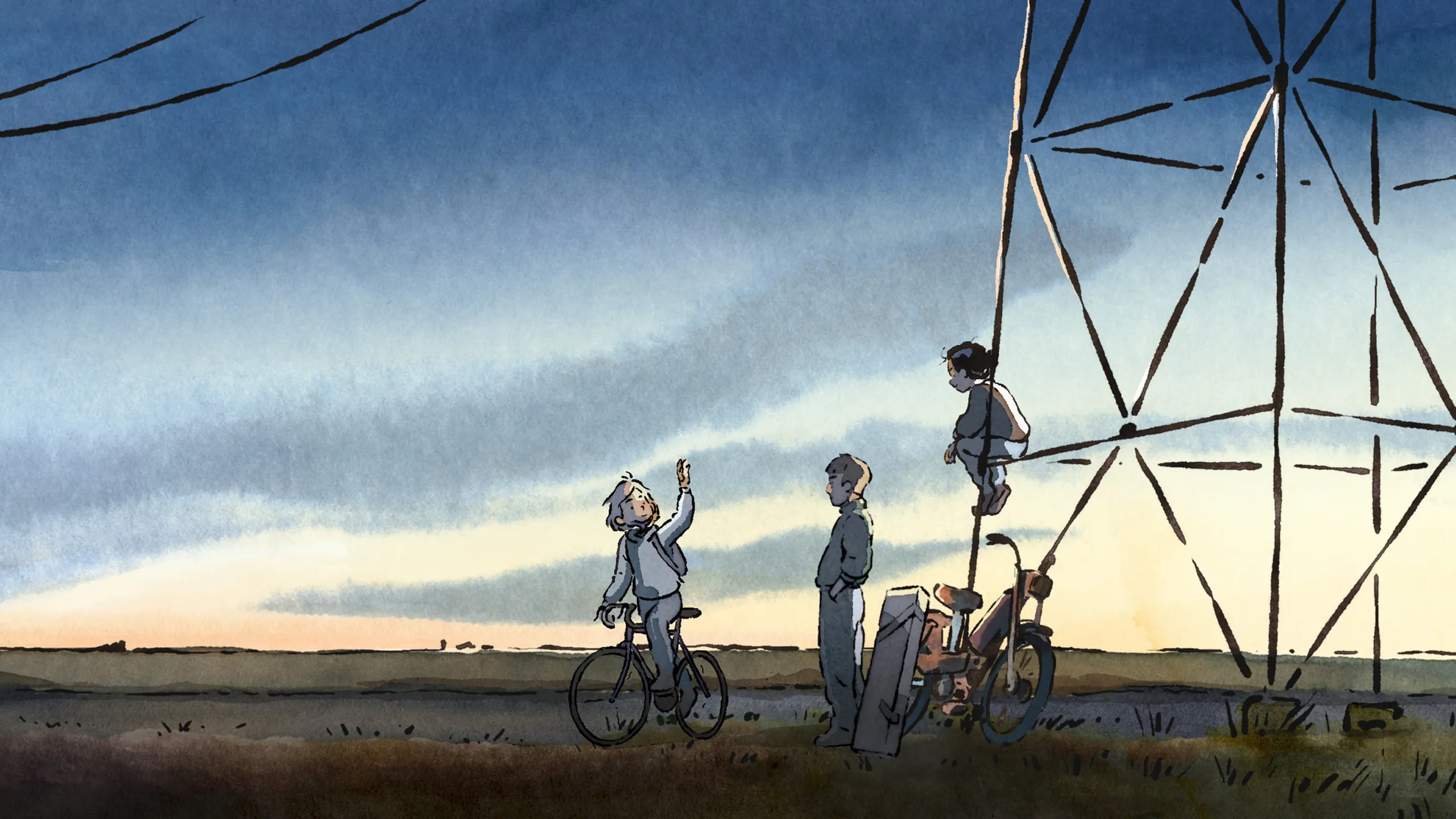
‘Paper Tiger’ and ‘Musk’ Documentary Featured at 2026 SFIFF
The 2026 Santa Fe International Film Festival showcases key titles including 'Paper Tiger' and 'Musk', marking an exciting lineup for this year.
A recent study sponsored by Eli Lilly highlights the significant underrepresentation of chronic illnesses in film and television, emphasizing the need for authentic narratives.

On September 9, 2026, Eli Lilly and Company released findings that highlight the severe underrepresentation of chronic illness in Hollywood films and television series. The report was produced in collaboration with the USC Annenberg Inclusion Initiative and underscores a critical gap between the portrayal of health issues in popular media and their prevalence in reality. According to The Hollywood Reporter, the study analyzed over 8,676 speaking characters across the 100 most popular TV series and the 100 highest-grossing films of 2023.
The study reveals startling statistics about the lack of representation for chronic diseases. Despite approximately 60% of young adults and nearly 90% of older adults in the U.S. living with at least one chronic condition, many common diseases were either minimally represented or depicted negatively. For instance, obesity was portrayed in fewer than 3% of speaking roles, even though it affects about 37% of American adults. Other conditions, such as Alzheimer’s disease and diabetes, appeared in less than 1% of the surveyed characters.
Lina Polimeni, Senior Vice President at Eli Lilly, emphasized the importance of authentic storytelling in raising awareness and reducing stigma associated with illnesses. She stated that accurate depictions can shape how society views these conditions, making it essential for creators to engage deeply with the lived experiences of those affected.
The findings highlight deficiencies in current portrayals but also present opportunities for content creators. According to Dr. Stacy L. Smith, the study's lead author, there is a significant chance for storytellers to craft richer narratives that reflect the complexities of living with a disease. By doing so, they can influence audience perceptions and foster informed conversations about health.
Eli Lilly's commitment to this effort has led to partnerships with various industry leaders and advocates. They have also introduced the USC Annenberg Inclusion Initiative Content Creation Toolkit designed to aid writers and showrunners in accurately depicting chronic illnesses, enhancing portrayals across platforms.
The implications of this study resonate beyond mere statistics. When media depicts chronic illness authentically, it has the potential to erase the stigma that often accompanies such conditions and encourages earlier intervention by the public. Authentic representation is not just an ethical obligation but a powerful catalyst for societal change.
As noted in the report, thoughtful storytelling can profoundly impact how people understand their health. Whether through nuanced character development or accurate health narratives, it is clear that changing perceptions starts at the script level.
Eli Lilly's efforts shine a spotlight on the critical need for better representation of chronic illness in Hollywood. As audiences crave authentic narratives, insights from this comprehensive study could inform both creators and studios on how to produce more responsible health storytelling. Lilly's ongoing collaborations with industry experts and advocacy groups aim to fill this representation gap while paving the way for more impactful health-related discourse in entertainment.
For more insights into industry trends and collaborations, check out our coverage of ‘Charlie’s Angels’ Reunion at the Emmys and Mike Flanagan's upcoming project.
Entertainment news
EpisodeBreakdown may use automated tools to assist research, drafting, and formatting. Published pages are governed by our editorial and corrections policies, and source links are shown when they are available in the article record.
Discovery source: The Hollywood Reporter. The source identifies where the topic was discovered; EpisodeBreakdown is responsible for the commentary published on this page.
Reader response
Reactions and poll results are based on real reader responses. No account is required.