test
asdasd
Explore how Neon Genesis Evangelion: Death & Rebirth revolutionized the concept of recap episodes in anime, enhancing narrative depth and engagement.
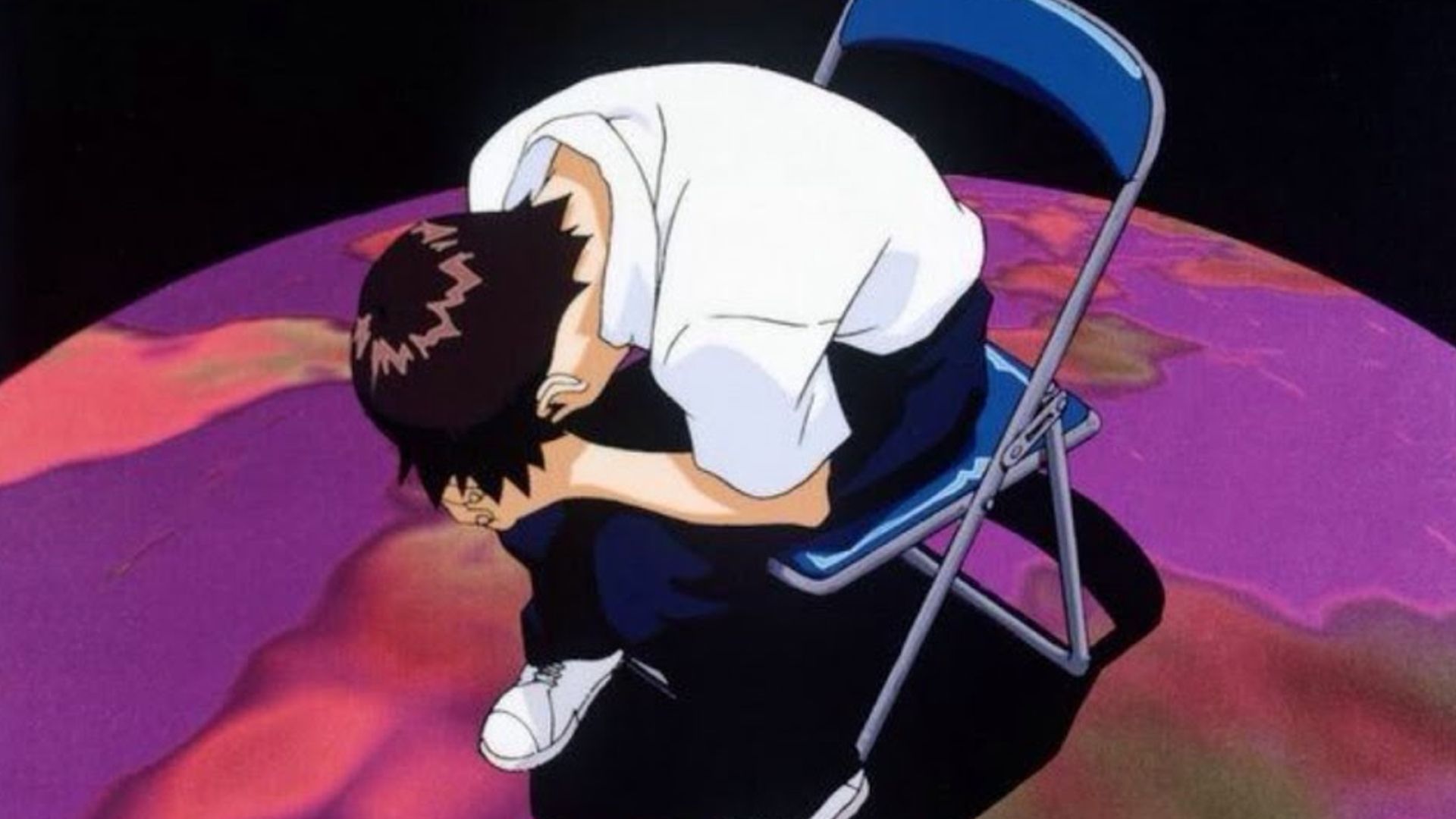
In simple terms, Neon Genesis Evangelion: Death & Rebirth significantly influenced how anime recap episodes are structured and presented. Released alongside the iconic series finale, The End of Evangelion, this feature initially served as both a recap and a build-up to the acclaimed film. It transformed the narrative experience for viewers, marking a pivotal moment in anime history that continues to resonate today.
What makes Death & Rebirth stand out? By condensing 24 episodes of character arcs and key plot events into a streamlined 70-minute runtime, it redefined the expectations surrounding recap episodes. While these episodes were not new to the genre, Death & Rebirth highlighted their potential beyond just simple retellings, setting a new standard for future productions.
Previous recap episodes in anime often felt redundant or boring, serving limited purposes merely to refresh viewer memory. However, Death & Rebirth utilized a unique storytelling format that allowed its four main pilots to narrate their segments in a way that developed their characters and their relation to the narrative climax. This approach was particularly innovative for anime in the 1990s, offering a stylistic presentation that felt new and engaging.
Death is interwoven with motifs and artistic styles that differentiate it from the original TV series. Instead of recycling footage, it reframes character developments and situations, allowing newcomers and devoted fans alike to glean essential insights without feeling overwhelmed by a barrage of rehashed material.
Director Hideaki Anno’s artistic vision is evident throughout Death & Rebirth, which creatively juxtaposes the recap narrative with evocative visuals, maintaining viewer engagement while introducing a musical element reminiscent of a string quartet. Each pilot's perspective enriches their respective journeys, allowing viewers to appreciate their struggles more philosophically. This lyrical organization serves to build tension leading up to The End of Evangelion, ultimately enhancing the emotional stakes involved.
Moreover, the film presents a palette of aesthetics distinct from the series while still retaining its core themes, making it an essential companion piece rather than a mere summary. Such artistic endeavors opened new avenues for anime storytelling that other creators later adopted, emphasizing the impact of Death & Rebirth on the medium.
Since its release in 1997, Neon Genesis Evangelion: Death & Rebirth has elevated its position in anime culture, proving that recap episodes can indeed be valuable narratives in their own right. Subsequent productions have drawn inspiration from the film, recognizing the opportunity to construct engaging recaps rather than mere filler.
As mentioned in numerous retrospectives, many anime series have embraced similar holistic approaches to recap episodes, making them more engaging and vital to understanding overarching narratives. This evolution complements major events in anime history, such as Satoshi Kon’s Perfect Blue and Studio Ghibli's Princess Mononoke, which themselves contributed to transforming the global perception of animation.
Death & Rebirth maintains cultural significance over three decades and continues to attract new audiences through platforms like Netflix, where it is available alongside the original series. Each viewing invites fresh interpretations, inspired by its depth and innovative storytelling techniques, appealing to both seasoned fans and newcomers.
The resonance of Neon Genesis Evangelion: Death & Rebirth extends beyond its time of release. Today, it serves as a reminder of the narrative possibilities afforded to recap episodes. Using cinematic techniques to recast the characters' arcs in a new light demonstrates the creative potential of animators and directors to engage viewers better.
Additionally, as audiences develop an appreciation for complex narratives and characterizations, Death & Rebirth acts as a vital case study for writers and creators embarking on crafting compelling stories. As highlighted in recent reviews, the film's continued availability reinforces its importance in both entertainment and academic discussions surrounding anime.
Furthermore, as the anime industry continues to evolve, key examples like Death & Rebirth serve as benchmarks against which newer works can be measured. Their legacy lies not just in explosive action sequences or intricate world-building, but in emotional storytelling that resonates within the human experience.
In conclusion, the groundbreaking Neon Genesis Evangelion: Death & Rebirth remains pivotal in reshaping the landscape of anime and narrative strategies for recap episodes. It shows that recap videos can be more than mere summaries, becoming integral pieces that drive happy audiences eager for deeper insights.
Despite its historical significance, unanswered questions linger, particularly regarding how future series will continue to innovate and how upcoming anime might draw further from Evangelion's legacy. As viewers await new content, the discussion surrounding Death & Rebirth stands as a testament to the potential for growth and exploration within the anime medium.
For further engagement with anime trends and deep dives into other significant works, check out our guides on Must-Watch Anime on Netflix for August 2026, Demon Slayer's Next Anime Fixes Major Omissions, and the Upcoming My Hero Academia Eri Short Anime.
Story breakdown
EpisodeBreakdown may use automated tools to assist research, drafting, and formatting. Published pages are governed by our editorial and corrections policies, and source links are shown when they are available in the article record.
Discovery source: ScreenRant. The source identifies where the topic was discovered; EpisodeBreakdown is responsible for the commentary published on this page.
Reader response
Reactions and poll results are based on real reader responses. No account is required.