Exploring Spider-Man: Brand New Day's Impact on Cinema
Analyzing the themes, character dynamics, and record-breaking success of 'Spider-Man: Brand New Day'.
This analysis dives deep into 'Spider-Man: Brand New Day' and its implications for the future of the MCU, especially regarding the mutants.
Explore the franchise
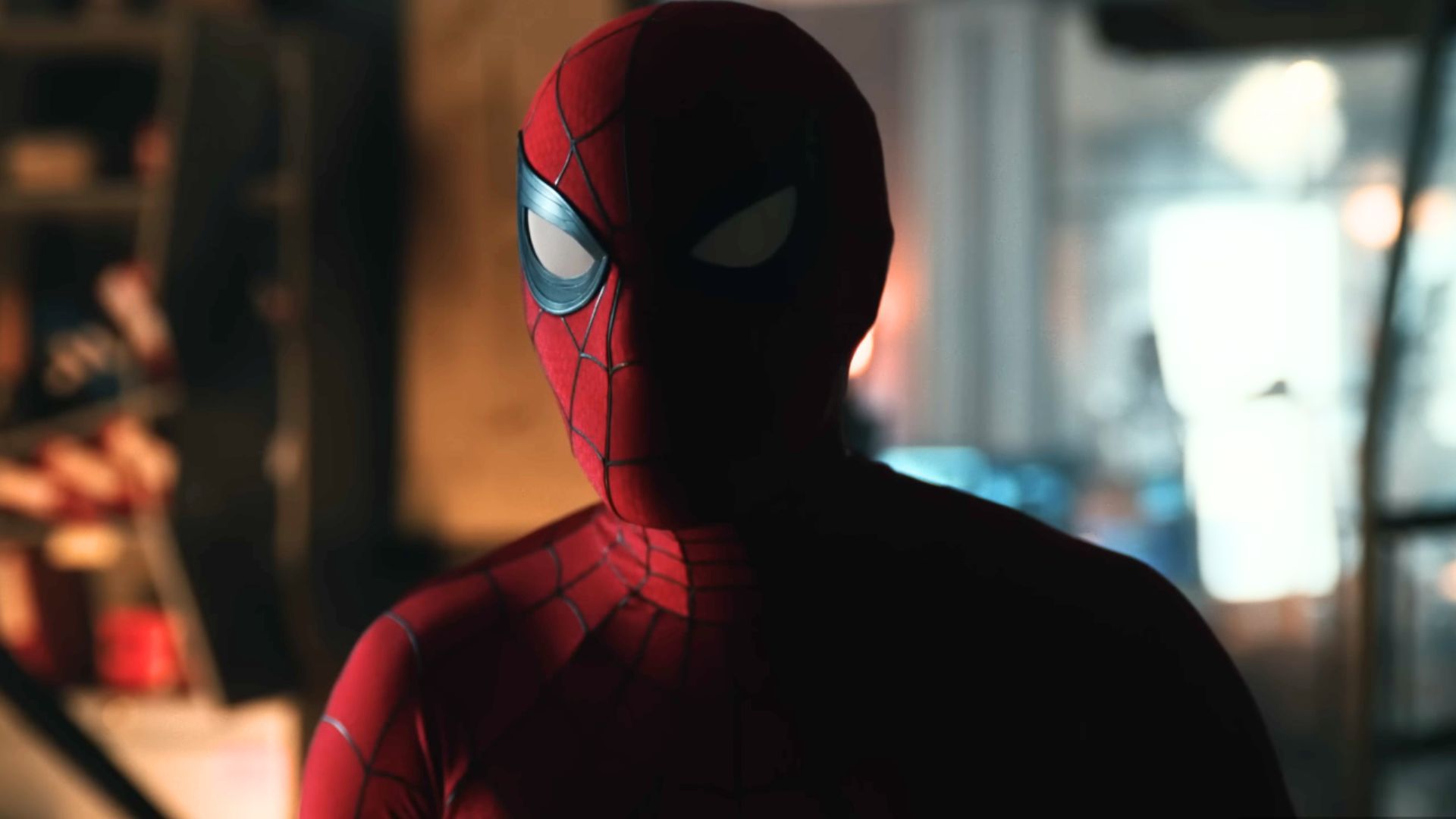
In simple terms, Spider-Man: Brand New Day poses a central question: how does Peter Parker's journey shape the larger Marvel Cinematic Universe (MCU) and set the stage for the emergence of mutants? The film intricately weaves personal stakes with broader implications, laying a foundation for the future of both Spider-Man and the X-Men in an ever-expanding MCU.
What happened is that Spider-Man: Brand New Day serves as both a standalone film and a vehicle for introducing significant changes to superhero dynamics post-Multiverse Saga. With the film’s climactic moments raising ethical and moral concerns, particularly around Peter’s scientific endeavors, the groundwork is effectively established for future plots regarding both Spider-Man and the mutant kind.
Phasing in Jean Grey, played by Sadie Sink, provides a fresh perspective on the character, significantly differing from traditional portrayals. Here, she embodies a darker and more complexities-laden hero, paving the way for a compelling arc. Her introduction suggests that she may be searching for a path, aligning well with the possible formation of the X-Men as an underground society before becoming recognized heroes.
In the film's resolution, Jean is spotted on a bus, presumably heading to Upstate New York, emphasizing the anticipated formation of the X-Men organization. This transition highlights a critical theme: the journey of outcasts becoming a united force under Professor X's guidance. The X-Men’s inception as a refuge for young mutants holds immense potential for narrative arcs in future films, particularly in terms of their mission and social responsibility.
Throughout the film, the depiction of the Department of Damage Control evolves sharply. Initially introduced as a cleanup crew for superhero battles, their role has transformed into a militarized entity targeting individuals with superhuman abilities. This raises a formidable ethical question about the safety vs. civil liberties within a superhero-centric society. Given this framework, Damage Control appears ready to morph into the Mutant Response Division (MRD) in forthcoming narratives, thereby complicating relationships between the characters and the governing authorities.
The film hints at a potential evolution of government entities that can lead to dire consequences for mutants – a prophecy of sorts that places Spider-Man in a complicated light. His attempts to create technology intended to suppress powers raises disturbing implications: could he inadvertently contribute to the oppression of mutant-kind through innovations that can be weaponized against them?
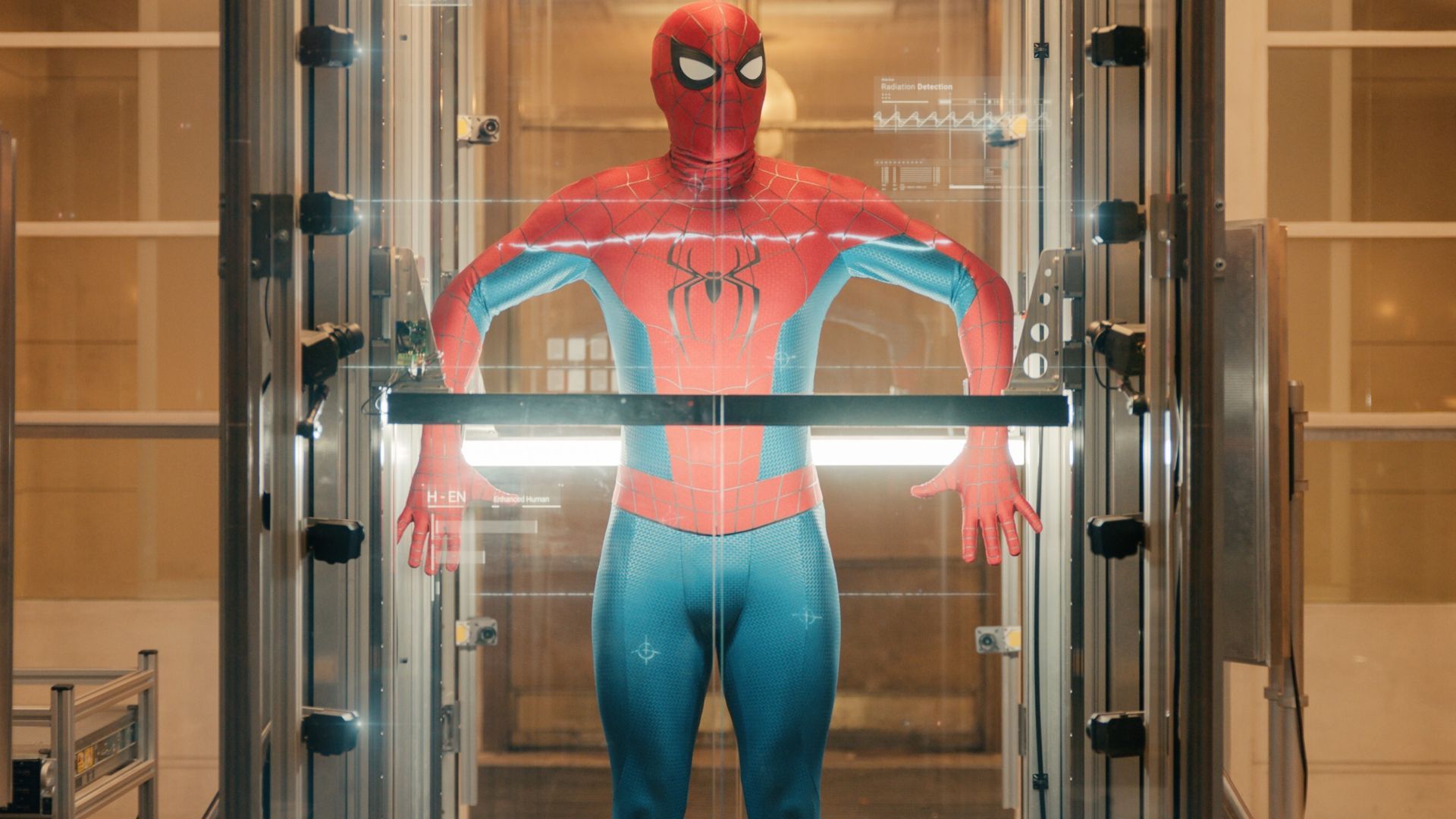
Peter Parker’s efforts to build an inhibitor chip to suppress his evolving spider DNA reflect a core thematic element of the movie—responsibility. Each decision he makes invites scrutiny, foreshadowing dark outcomes. Bruce Banner and MJ’s warnings about the dangers of the inhibitor technology illustrate the film's tension between personal ambition and ethical responsibilities. Peter's commitment to ignoring advice issues a powerful statement on hubris and the potential fallout from scientific advancement.
The irony that Peter projects his fears onto Jean’s abilities, ultimately constructing an inhibitor chip for her, suggests a troubling paternalism that may exacerbate the divide between humans and mutants. This adds a moral dimension to his character, examining how good intentions can manifest in harmful ways.
The moral casualties extend to the relationship between Peter and his friends, particularly MJ. The lingering emotional consequences from prior events (including the memory-wipe spell from No Way Home) create distance rather than connection. MJ’s admission of not remembering Peter amplifies the stakes in their relationship and steers the narrative toward a complex romantic dynamic. Expecting Peter to navigate future love interests adds an intriguing layer, potentially paving the way for character re-evaluations and new alliances.
This complexity could set the stage for Spider-Man 5, where old flames and new passions collide, replicating classic love triangle themes from the comics that have always surrounded the character.
The ambiguity surrounding Bruce Banner's fate catapults this iteration of Spider-Man into a thrilling yet disconcerting territory. The altercation with the Hulk reveals that Jean may have unwittingly jeopardized Bruce’s hard-earned progress towards controlling his alter ego. This leads to questions of autonomy: is Bruce safer in the hands of those who respect him, or does being detained by the governing system exponentially risk his well-being?
This potential fallout might explain his absence as a key player in future conflicts, underscoring themes of redemption and vulnerability in heroes. The external threat of government surveillance coupled with internal struggles amplifies the narrative tension.
The film’s ending sees Spider-Man: Brand New Day gracefully laying groundwork for not just mutants but the larger ecosystem within the MCU. Themes of oppression, identity crisis, and friendship permeate the narrative, indicating that the Multiverse Saga is only beginning to forge significant character trajectories.
The speculative evolution of the X-Men intersects with Spider-Man's moral choices, revealing a need for accountability. Peter’s missteps could result in dire repercussions for the mutant race, thereby transforming him into an unintentional antagonist. This aligns seamlessly with the looming chaos of Avengers: Doomsday and hints at major ideological shifts in the MCU moving forward.
Spider-Man: Brand New Day reveals significant questions about legacy, moral choices, and interconnectivity within the MCU. It provides rich narrative potential as it intertwines the fates of beloved characters with future saga arcs. As Marvel eagerly pivots to introduce new narratives surrounding mutants, viewers should prepare for heightened tension, ethical dilemmas, and emotional conflicts that intertwine personal relationships within superhero lore – perhaps solidifying Peter Parker's role as both a hero and unintended instigator in upcoming storylines.
For those interested in a more profound exploration of these themes, consider checking out our related articles on the complex moral dynamics and character evolution in Spider-Man: Brand New Day as well as its implications on the wider MCU strategies for the future.
Movie explanation
EpisodeBreakdown may use automated tools to assist research, drafting, and formatting. Published pages are governed by our editorial and corrections policies, and source links are shown when they are available in the article record.
Discovery source: MovieWeb. The source identifies where the topic was discovered; EpisodeBreakdown is responsible for the commentary published on this page.
Reader response
Reactions and poll results are based on real reader responses. No account is required.