Spider-Man: Brand New Day's Box Office Marvel
Analyzing the success of Spider-Man: Brand New Day's incredible box office performance and deeper themes.
This analysis dives into the heart of 'Tony', spotlighting its best scene and deeper themes surrounding Anthony Bourdain's life.
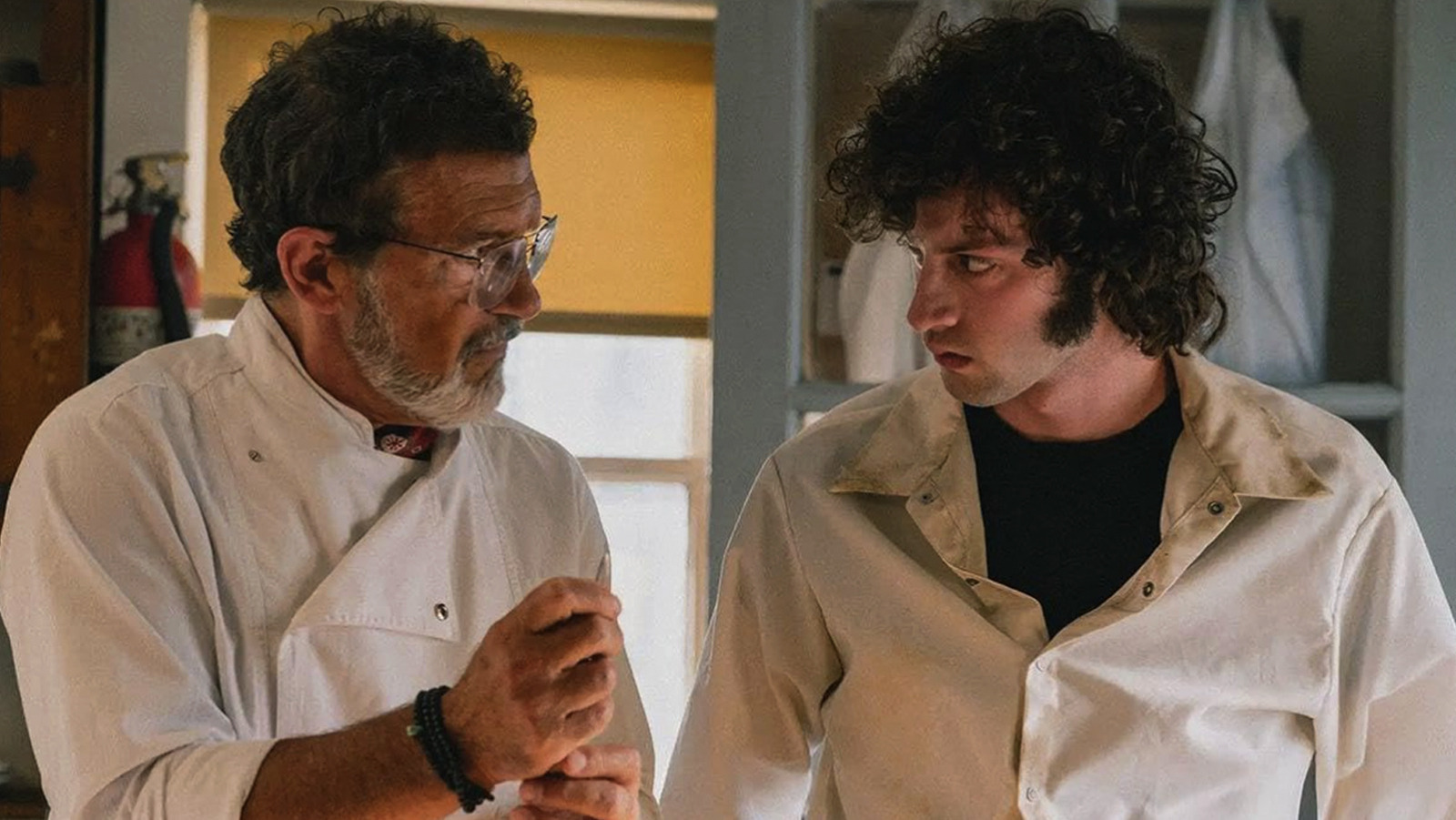
In simple terms, 'Tony' is a cinematic exploration of a formative period in the life of renowned chef and author Anthony Bourdain, depicted through the lens of a coming-of-age story. The film grapples with a central question: How does an individual's passion for food and raw ambition shape their identity? Through this lens, 'Tony' ultimately connects Bourdain’s experiences in the kitchen to broader themes of self-discovery and personal growth.
What is confirmed is that the film successfully captures the chaotic energy of kitchen life and the relationships forged within it. Directed by Matt Johnson, the film features a young Anthony Bourdain, played by Dominic Sessa, who gets a job in a New England kitchen under the mentorship of Antonio Banderas' character. The storytelling does not aim for strict biographical accuracy but rather seeks to embody Bourdain's spirit and ethos during his early career. This choice allows the audience to witness pivotal moments that highlight the complexities of his character and career.
One of the film's primary themes revolves around the tension between passion and chaos—elements that often coexist in high-pressure environments like a restaurant kitchen. This theme is intricately tied to the camaraderie among kitchen staff, often formed through shared struggles and challenges. As director Matt Johnson articulates, the film mirrors the dual nature of Bourdain himself: exuberant yet flawed, brash yet caring.
A significant turning point occurs in what has been described as the film's best scene. During a tense moment in the kitchen, a confrontation erupts, showcasing not just physical aggression but an emotional explosion that serves as a reflection of underlying tensions—both among the characters and within the restaurant's environment.
In exploring this scene further, the dynamics shift from playful antics to disturbing reality. Stars Sessa and Stavros Halkias, who play prominent supporting roles, describe feeling a palpable discomfort during the sequence, emphasizing the authenticity of their performances as they navigate the uncertain territory. This turning point highlights how intentions can veer dangerously off-course in environments fueled by pressure and egos, making it not just a scene of violence but a commentary on the darker sides of ambition.
Another noteworthy aspect is the portrayal of fraternal relationships within the kitchen. The film creates a strong bond among the characters, though it walks a fine line between rivalry and brotherhood. The banter and play-fighting showcased before the explosive scene highlight this 'toxic yet intoxicating' environment that Matt Johnson seeks to capture. Both Dominic Sessa and Stavros Halkias echo the sentiment that although the characters might seem brutal at times, their bond is distinctly rooted in shared experiences, making the chaos feel almost familial. This adds depth to the narrative, illustrating how the kitchen can be both a nurturing space and a hostile battleground.
The ending of 'Tony' resonates with the film's earlier exploration of identity and ambition. As the narrative unfolds, viewers witness Bourdain grappling with personal and professional challenges, paralleling his journey towards becoming the culinary icon he would later be known as. While specific events may be fictionalized, the essence of Bourdain's development from a passionate youth to a conflicted adult is captured with poignant clarity. The culmination of his journey illustrates that growth comes at a cost, and the chaos surrounding it can often be enlightening.
The relationship dynamics between Bourdain and his mentors—especially the contrasting influences of Antonio (Banderas) and Leo (another character)—drive the narrative forward. They highlight the dual paths he could take in life: one influenced by passion for cooking and art, and the other colored by the darker aspects of kitchen culture. This serves to reflect the complexities of mentorship, where genuine guidance may sometimes be obscured by toxic elements. Throughout the film, the depiction of Bourdain's choices becomes a meditation on how legacy is shaped not just by talent, but also by relationships.
Director Matt Johnson adeptly uses cinematic techniques to enhance these themes. The cramped kitchen set emphasizes the claustrophobia of the work environment, while the performances—particularly the emotional rawness shown by the actors during the climactic scene—add layers of authenticity that resonate with audiences. Through these choices, Johnson captivates the viewer, allowing them to share in the intensity of Bourdain's experiences.
The film 'Tony' reflects a deeper understanding of who Anthony Bourdain was, capturing a period of transformation alongside the chaotic backdrop of the culinary world. Director Matt Johnson achieves this by focusing on character dynamics, mentorship, and emotional confrontations that drive the story forward. While some details may not be historically accurate, the essence of Bourdain’s spirit remains very much alive. Audiences can expect not only a celebration of his culinary legacy but also an exploration of the turmoil and triumph that often accompany the art of finding oneself in a demanding world. In analyzing pivotal scenes, we see that 'Tony' ultimately portrays the messy, complex journey of self-discovery, articulating a relatable narrative that echoes beyond Bourdain’s life.
For those intrigued by the layers of mentorship and ambition presented in the film, this is not unlike themes explored in other films about personal journeys, such as 'The Pursuit of Happyness' and 'Chef,' both of which probe the intersection of ambition and domestic life. Through these explorations, viewers can find common threads that make stories resonate universally, much like Bourdain's own life story.
Read more about similar themes in our analyses of 'The Future of Horror' and 'Analyzing Live-Action Spider-Man Movies'.
Movie explanation
EpisodeBreakdown may use automated tools to assist research, drafting, and formatting. Published pages are governed by our editorial and corrections policies, and source links are shown when they are available in the article record.
Discovery source: Slashfilm. The source identifies where the topic was discovered; EpisodeBreakdown is responsible for the commentary published on this page.
Reader response
Reactions and poll results are based on real reader responses. No account is required.