Spider-Man: Brand New Day's Box Office Marvel
Analyzing the success of Spider-Man: Brand New Day's incredible box office performance and deeper themes.
Explore the symbolism and power of iconic fantasy movie swords, from Excalibur to Narsil.
Explore the franchise
In simple terms, the central question of fantasy cinema is: What makes a sword not just a weapon, but a symbol of might and destiny? Throughout cinematic history, swords in fantasy films have transcended their physical form, representing power, legacy, and the eternal struggle between good and evil. From Excalibur to Narsil and beyond, magic-infused blades have been a defining aspect of the genre, lending depth to narratives and shaping character arcs.
Over the years, numerous films have introduced swords imbued with supernatural capabilities. These blades often possess characteristics that set them apart from mundane weaponry. For example, Perseus’s sword in Clash of the Titans is said to be composed of a metal unknown to mortal craftsmen, enabling it to slice through solid marble effortlessly. This acts as a narrative device, suggesting that the wielder is not merely a warrior but a chosen hero, tasked with confronting monstrous threats.
In contrast, the tri-bladed sword in The Sword and the Sorcerer offers a different kind of enchantment. Talon's weapon is not only intricate in design but serves practical combat functions, such as shattering opponents’ swords with a single swing. Such features highlight the intersection of fantasy and creativity, underscoring how swords can bridge the gap between a character’s skill and their larger-than-life struggles.
Excalibur stands as a keystone in the realm of fantasy swords, often reflecting the principles of rightful leadership and moral fortitude. In various adaptations, it serves not solely as a weapon but as a reflection of its bearer’s worthiness. In Guy Ritchie's King Arthur: Legend of the Sword, the sword is portrayed as an almost unstoppable force, encapsulating the themes of destiny and domination. Arthur’s mastery over Excalibur symbolizes his transformation from an ordinary man to a legendary king, embodying the responsibility that accompanies such power.
Here, the sword serves both as a literal weapon and a metaphorical representation of the weighty expectations placed upon leadership. This duality positions Excalibur not just as a tool for warfare but also as an emblem of the virtues that define a true ruler.
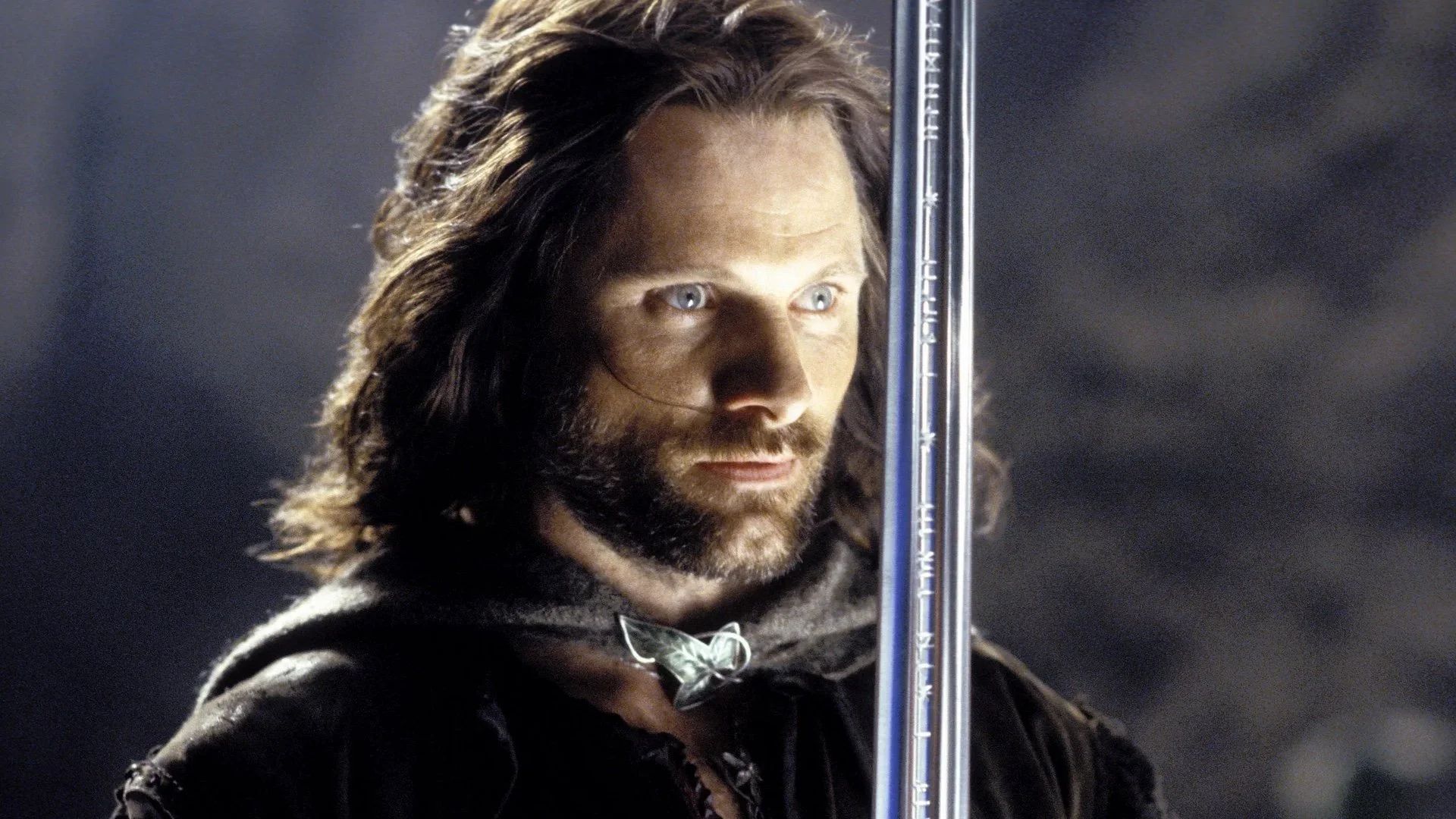
In The Lord of the Rings trilogy, Narsil plays a pivotal role, not only as a weapon in the battle against Sauron, but also as a symbol of hope and resilience. Forged for heroic deeds, its blade breaks during a climactic battle, representing the fragility of victory and the endurance required to confront recurring evil. Its eventual reforging into Andúril connects the past with the present, establishing a narrative continuity that emphasizes the importance of legacy in the fight against darkness.
Isildur’s victory over Sauron with Narsil underlines the sword’s mythical status, allowing viewers to interpret the blade as a testament to the cyclical nature of both power and failure. The motif of the sword transcends time, reminding characters and audiences alike that strength must be wielded wisely, as the very same blades that protect can also destroy.
Often debated within genre classifications, lightsabers signify the mystique of the Star Wars universe as a hybrid of science fiction and fantasy. The blades exemplify almost unfathomable power, being able to cut through virtually anything while remaining lightweight for swift, agile combat. Their role in defining the Jedi and Sith as powerful entities navigates the concepts of light versus darkness, potentially echoing themes found in traditional fantasy sword narratives.
However, the absence of a hierarchy among the lightsabers themselves—which are viewed as equally powerful—opens a discourse on the nature of strength and destiny, suggesting that while some may carry legendary status, power lies in the choices made by their wielders.
The various swords in fantasy films not only serve as tools for combat but also enhance the narrative by playing significant roles in characters' development. The emotional and moral dimensions tied to swords like Excalibur, Narsil, and others provoke deeper reflections on heroism, leadership, and the consequences of power. Each sword can be seen as an extension of its bearer, embodying their struggles, aspirations, and legacies.
What this means is that the power of iconic fantasy swords lies not merely in their ability to vanquish foes but also in their capacity to symbolize the journey, sacrifices, and growth of the characters they are connected to. Swords are thus not just weapons; they are vessels of storytelling, representing humanity's ongoing battle against the unknown, the dark forces of evil, and the everlasting quest for honor and justice.
For further exploration of legacy and power within fantasy narratives, check out our analysis on The 10 Strongest Members of House Targaryen, where character arcs intersect with might, or delve into A Deep Dive into the 10 Greatest Fantasy Shows of the 21st Century for an expanded view of powerful narratives shaping this beloved genre.
Movie explanation
EpisodeBreakdown may use automated tools to assist research, drafting, and formatting. Published pages are governed by our editorial and corrections policies, and source links are shown when they are available in the article record.
Discovery source: CBR Movies. The source identifies where the topic was discovered; EpisodeBreakdown is responsible for the commentary published on this page.
Reader response
Reactions and poll results are based on real reader responses. No account is required.