Tom Six Reflects on Career Struggles and Impending Death in New Documentary
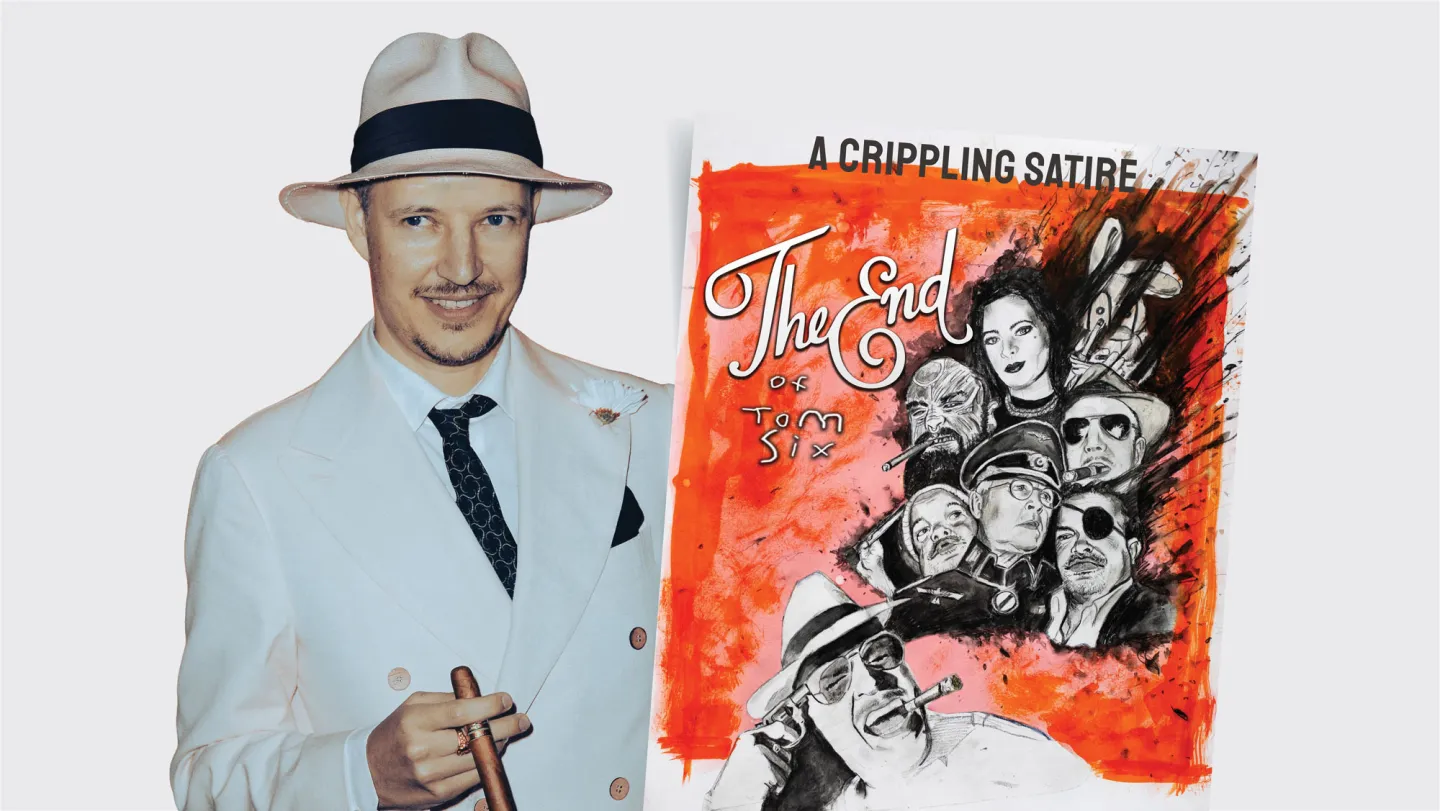
Tom Six opens up about his battle with MS and his documentary, 'The End of Tom Six,' detailing challenges he's faced in distributing 'The Onania Club.'
Luc Besson wrote and produced this high-concept, B-grade shoot-em-up about a gun-toting priest who takes on the New York crime world.
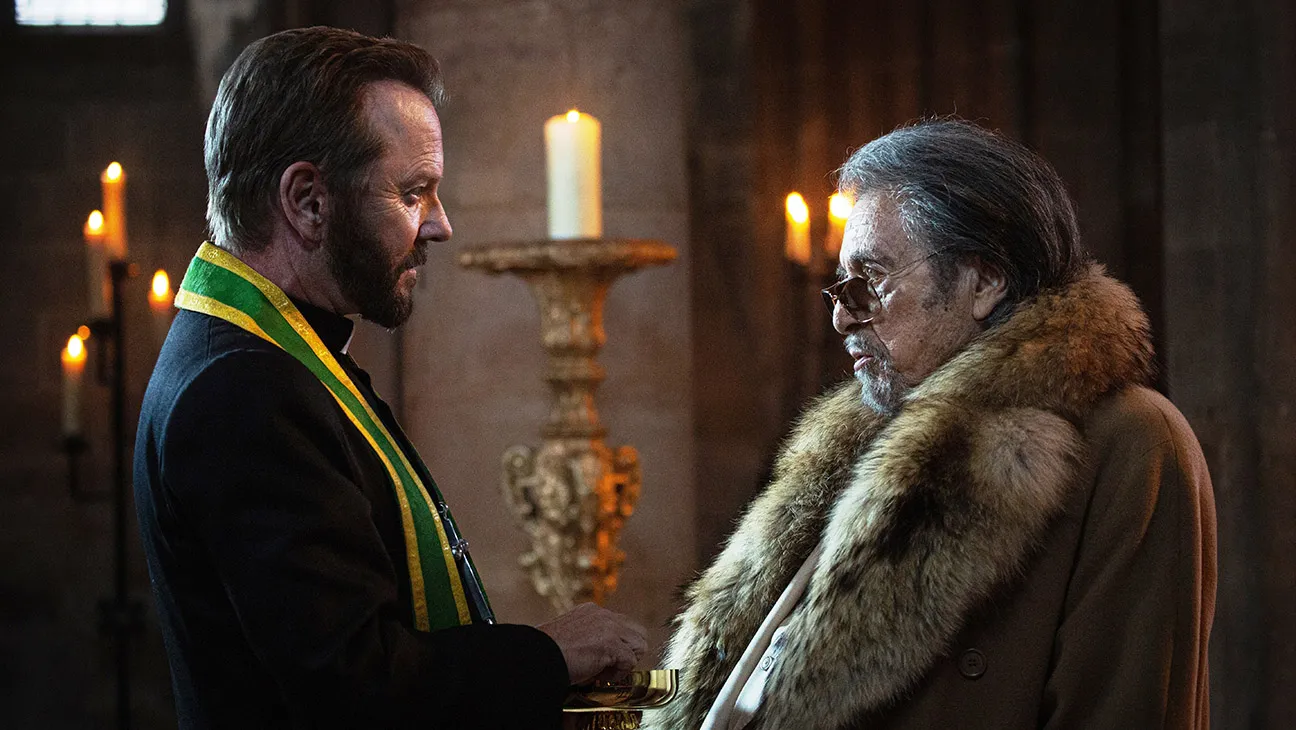
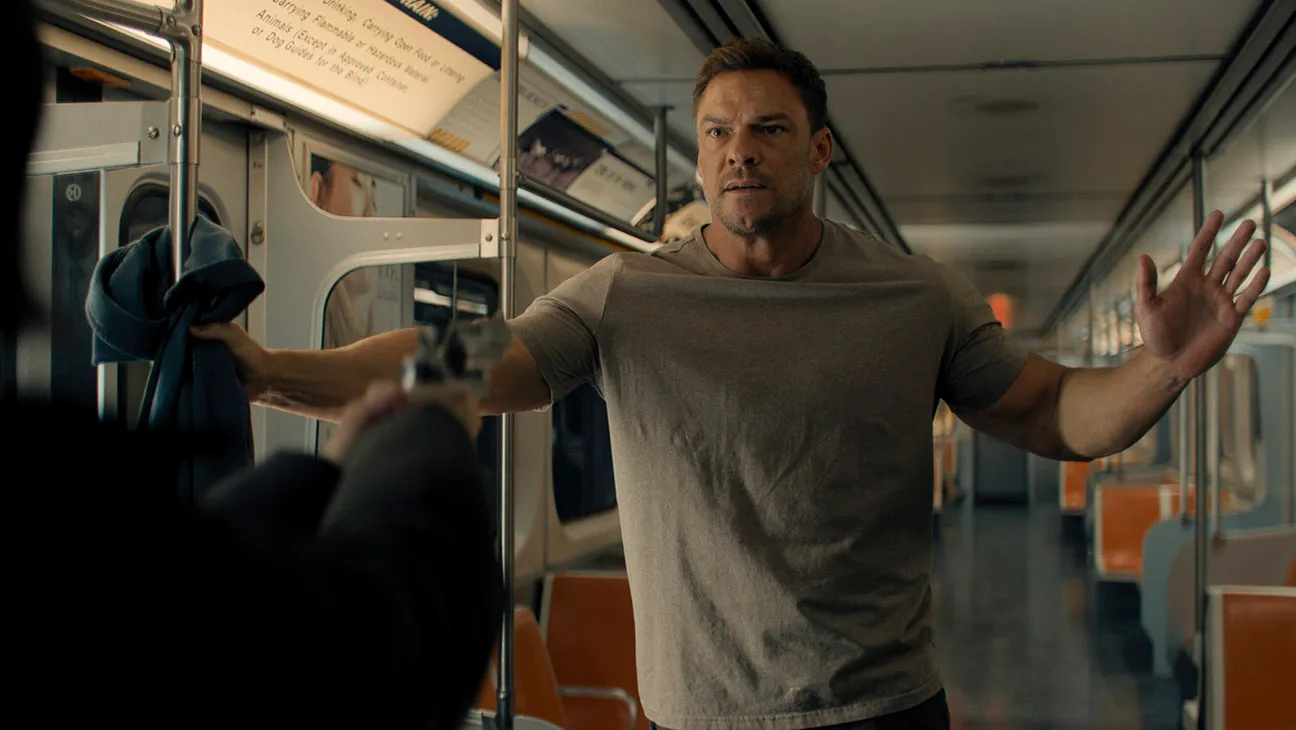
In Father Joe, Kiefer Sutherland plays a gun-toting priest embroiled in a vigilante war against New York's crime syndicates, a role he takes on with a mix of commitment and confusion. This film, directed by Barthélémy Grossmann and produced by Luc Besson, demonstrates a stark disconnect between its ambitious premise and its lackluster execution, failing to captivate its audience despite a promising setup.
The narrative centers on Father Joe, who embarks on a path of vengeance following the tragic overdose of his daughter, a backstory revealed through disjointed flashbacks. His mission to eradicate the drug trade is filled with chaotic shootouts that echo classic action tropes but lack originality. Although Besson aims to explore deeper themes of loss and redemption, this ambition vanishes under the weight of predictable dialogues and uninspired action sequences, leading to a mediocre viewing experience.
Sutherland's portrayal of a priest transformed into an avenger invokes comparisons to iconic characters like John Wick and Constantine. However, critics have pointed out that both he and Al Pacino, who plays mob kingpin Giuseppe Falcone, fail to bring the gravitas and nuance typically expected from such seasoned actors. Their performances feel undercut by the mundane dialogue, rendering them unremarkable amidst the film’s chaotic backdrop.
Premiering out of competition at the Venice Film Festival, Father Joe received mixed to negative reviews from critics. Notably, The Hollywood Reporter criticized the film as an uninspired amalgamation of cliched action elements, where predictable plot twists and generic action sequences disengage the audience from its high-concept premise. Besson’s effort appears as yet another failed attempt to capture the magic of his earlier works, like La Femme Nikita and The Professional.
Visually, Father Joe showcases Besson's typical style, yet it falters with a lack of coherent thematic consistency. The film seems to oscillate between the late '70s and modernity, featuring outdated cinematic trends, which diminishes its credibility. The blending of eras contributes to a disjointed narrative, making it hard for viewers to immerse themselves in its world.
Given its classification as a B-grade action film, Father Joe might entertain some die-hard fans of campy cinema. However, for the general audience seeking depth and engagement, it falls flat. The consensus suggests a significant lowering of expectations, as the film struggles to deliver on its promising premise.
Ultimately, Father Joe emerges as a divisive entry in the action genre. With its star-studded cast overshadowed by a formulaic script, it exemplifies the pitfalls of high-concept action flicks falling victim to clichés. As the film heads toward streaming platforms after its festival run, audiences are urged to approach it with tempered expectations. What could have been an intriguing exploration of vigilante justice devolves into a forgettable experience, marked by a lack of creativity and emotional resonance.
Entertainment news
EpisodeBreakdown may use automated tools to assist research, drafting, and formatting. Published pages are governed by our editorial and corrections policies, and source links are shown when they are available in the article record.
Discovery source: The Hollywood Reporter. The source identifies where the topic was discovered; EpisodeBreakdown is responsible for the commentary published on this page.
Reader response
Reactions and poll results are based on real reader responses. No account is required.