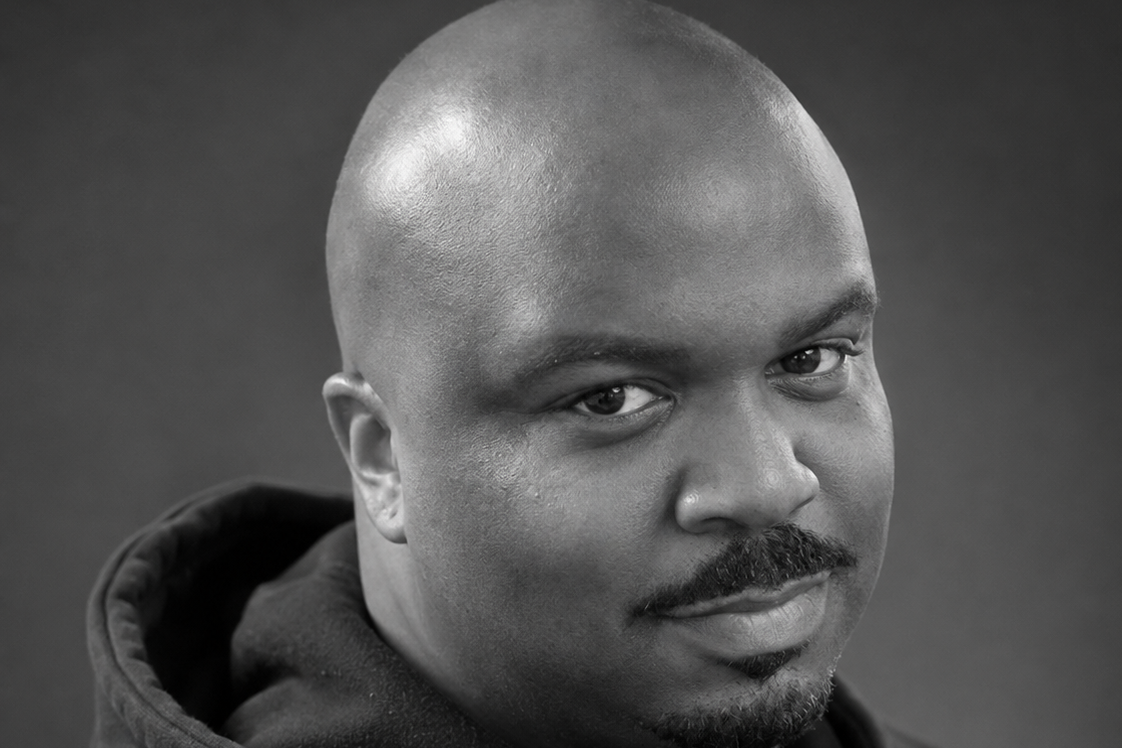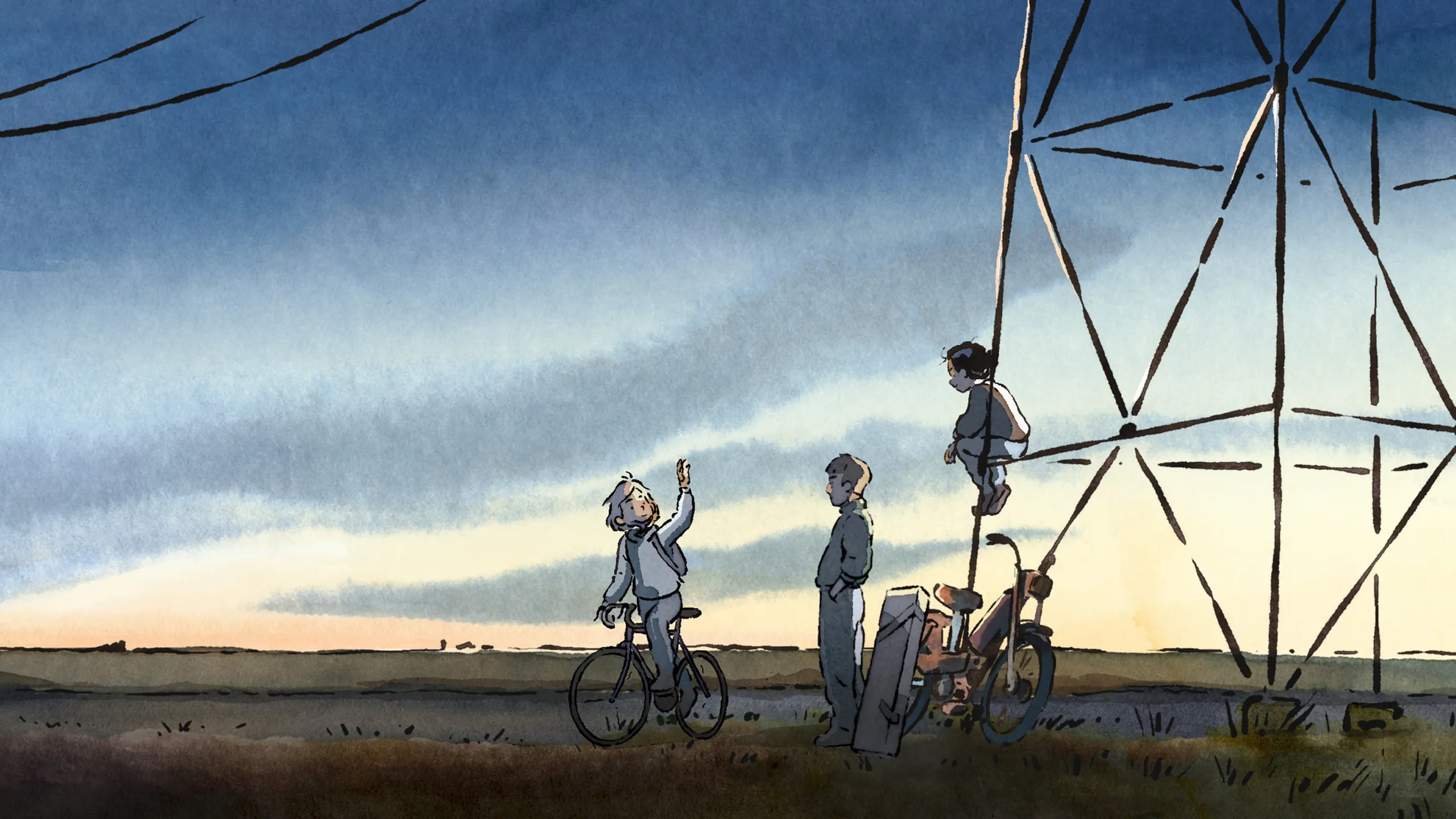
‘Paper Tiger’ and ‘Musk’ Documentary Featured at 2026 SFIFF
The 2026 Santa Fe International Film Festival showcases key titles including 'Paper Tiger' and 'Musk', marking an exciting lineup for this year.
The FCC has requested a court in Washington D.C. to dismiss ABC's First Amendment lawsuit, claiming retaliation against its programming under the Trump administration.
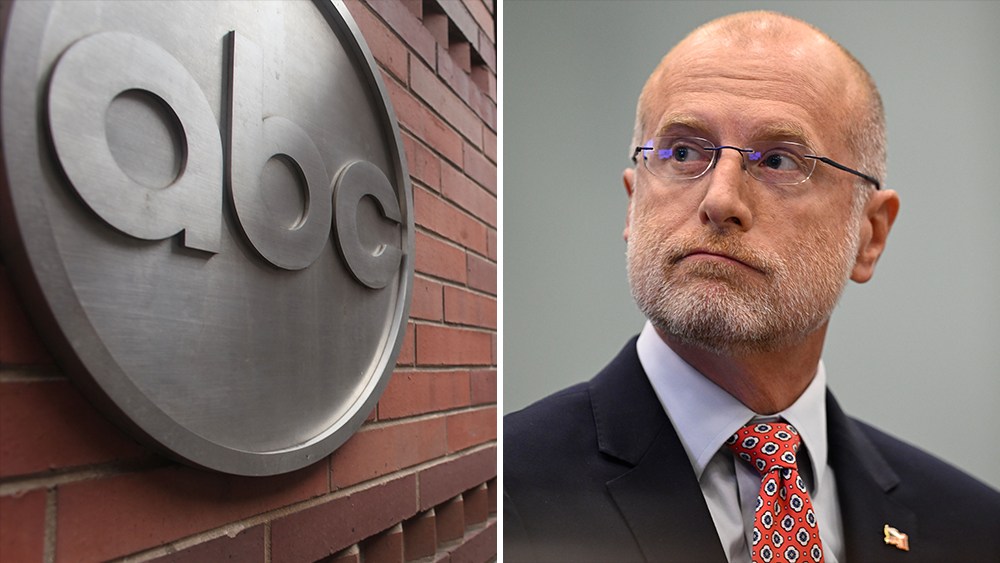
The Federal Communications Commission (FCC) has asked a federal court in Washington D.C. to dismiss a First Amendment lawsuit filed by ABC on August 18, 2026. ABC alleges that the FCC's recent actions constitute a "retaliatory campaign" against the network’s freedom of speech in response to criticisms directed at it by former President Donald Trump, particularly regarding its late-night programming. The FCC, however, contends that the lawsuit is premature as no formal actions have yet been taken to revoke the network's broadcasting licenses.
ABC's lawsuit stems from an unprecedented decision by FCC Chairman Brendan Carr to conduct an early review of licenses for eight ABC-owned stations. This action is notable as it marks the first instance in over 50 years that the FCC has opted for an early license examination, following Trump's public criticisms of the network and late-night host Jimmy Kimmel. ABC argues that this review poses an “existential threat” to its operations, prompting the need for judicial intervention as the network believes it faces ongoing repercussions from the administration.
In its lawsuit, ABC claims, "Acting through the Federal Communications Commission, the Administration has waged a retaliatory campaign against ABC for a single reason: it disapproves of what ABC broadcasts." Faced with this perceived existential threat, the network asserts it had no choice but to seek redress through the judicial process, feeling that ongoing threats required action outside traditional negotiation channels.
In its response to the lawsuit, the FCC maintains that its actions are lawful and rooted in necessary regulatory oversight. The agency stresses the importance of investigating allegations concerning potential unlawful discrimination against Disney, ABC's parent company. The FCC also argues that dismissing the lawsuit is critical to maintaining its regulatory authority and effectively addressing serious allegations of discriminatory practices.
The legal proceedings are set to advance, with U.S. District Judge Loren AliKhan scheduling a hearing for October 6, 2026. This hearing will be a pivotal moment in determining the future of ABC’s lawsuit—whether it will continue to proceed or be dismissed. The outcome at this juncture will influence ongoing conversations surrounding media freedom and federal regulatory actions.
The potential outcomes of this legal battle could significantly reshape the interactions between government agencies and media organizations in the context of First Amendment rights. Should the court rule in favor of the FCC, it might bolster the Commission’s regulatory authority and limit the scope for media firms to challenge government actions based on alleged retaliatory motives. Conversely, a ruling supporting ABC could reinforce the rights of media entities to defend their freedom of speech, possibly leading to a reevaluation of the FCC's regulatory practices. These implications reach far beyond the immediate case, impacting the broader landscape of media governance and political pressure on press entities.
For more insights into the FCC’s regulatory power and the challenges facing ABC amidst political pressures, see our extended coverage.
Entertainment news
EpisodeBreakdown may use automated tools to assist research, drafting, and formatting. Published pages are governed by our editorial and corrections policies, and source links are shown when they are available in the article record.
Discovery source: Deadline. The source identifies where the topic was discovered; EpisodeBreakdown is responsible for the commentary published on this page.
Reader response
Reactions and poll results are based on real reader responses. No account is required.