‘Paper Tiger’ and ‘Musk’ Documentary Featured at 2026 SFIFF
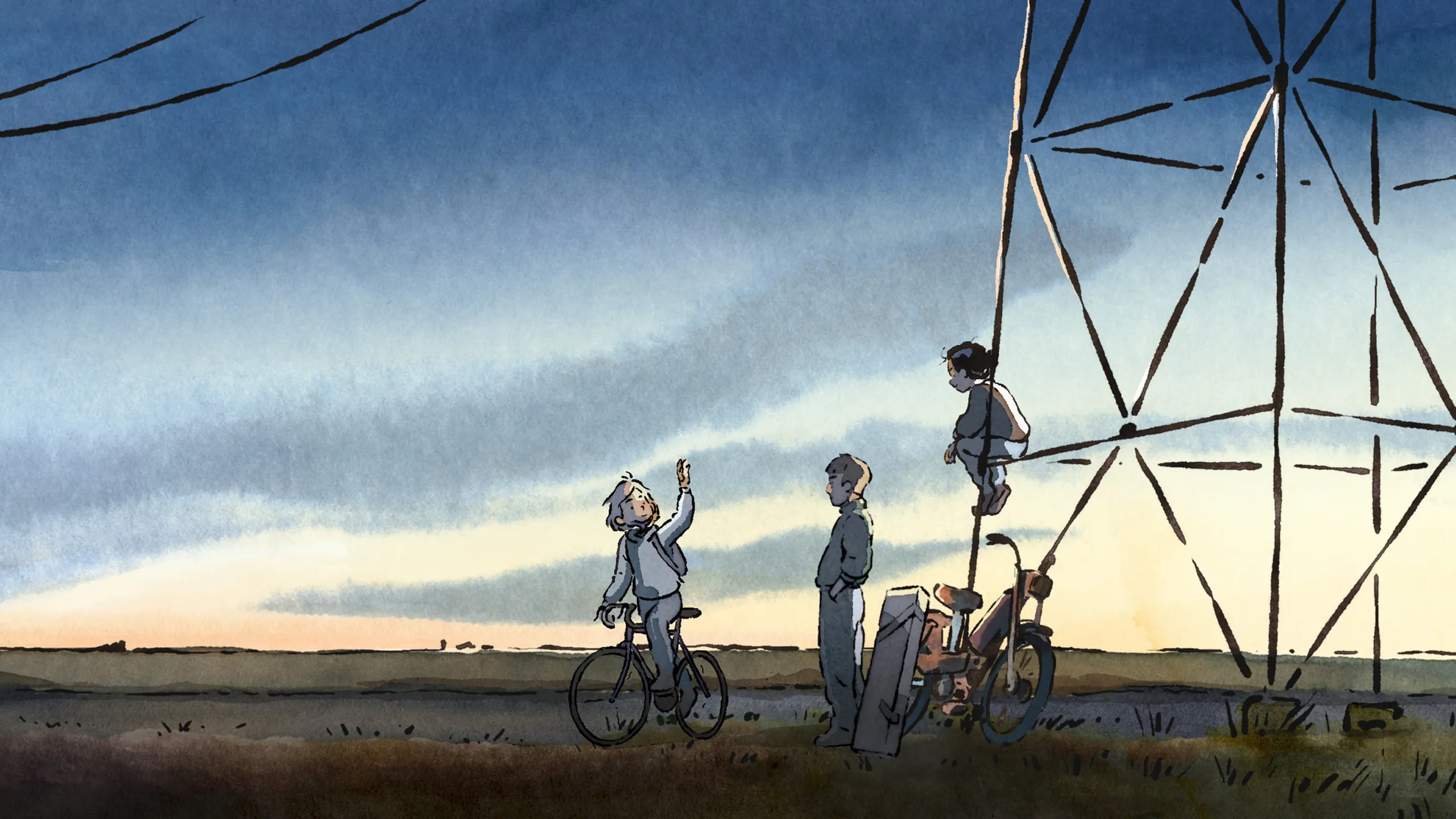
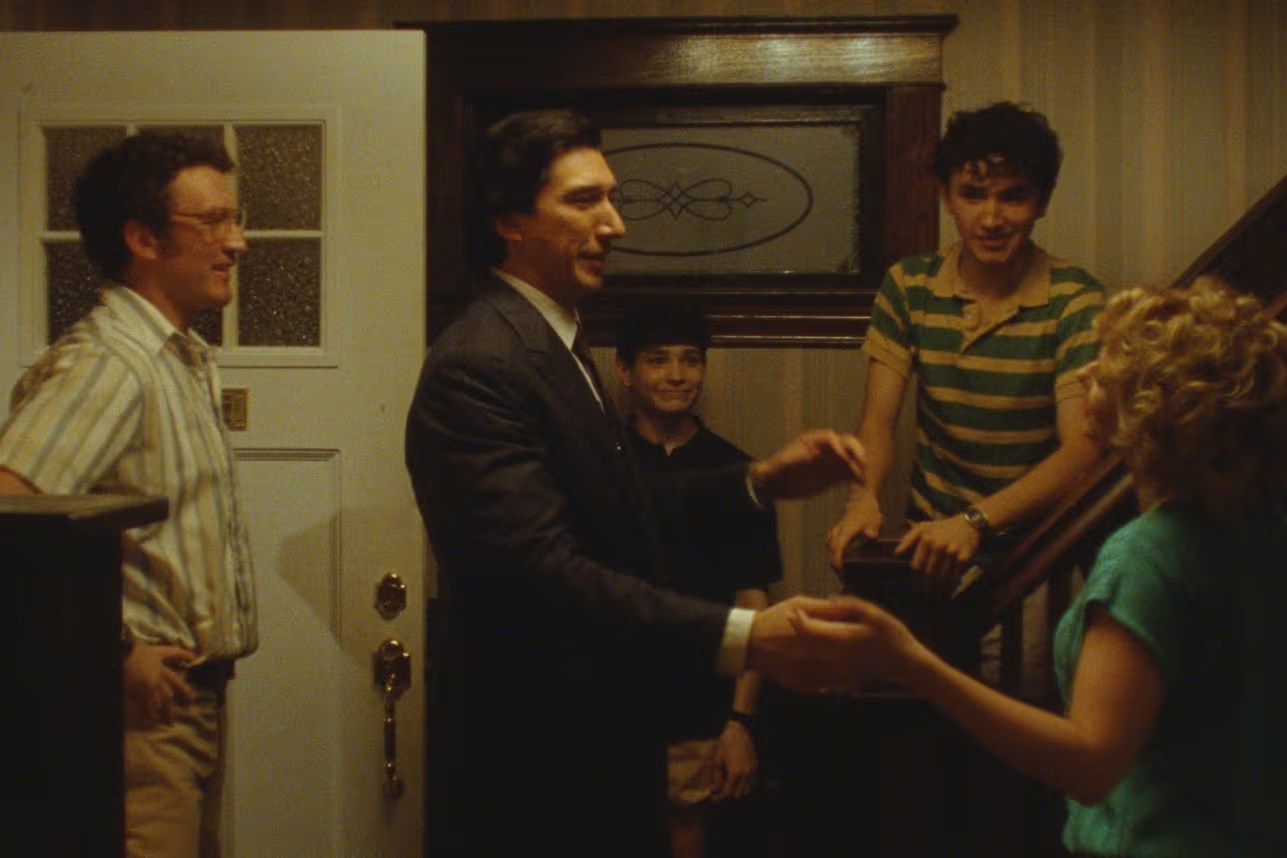
The 2026 Santa Fe International Film Festival showcases key titles including 'Paper Tiger' and 'Musk', marking an exciting lineup for this year.
Adam Schiff announces that discussions for federal film and TV tax incentives are progressing, gaining bipartisan support amid ongoing negotiations.
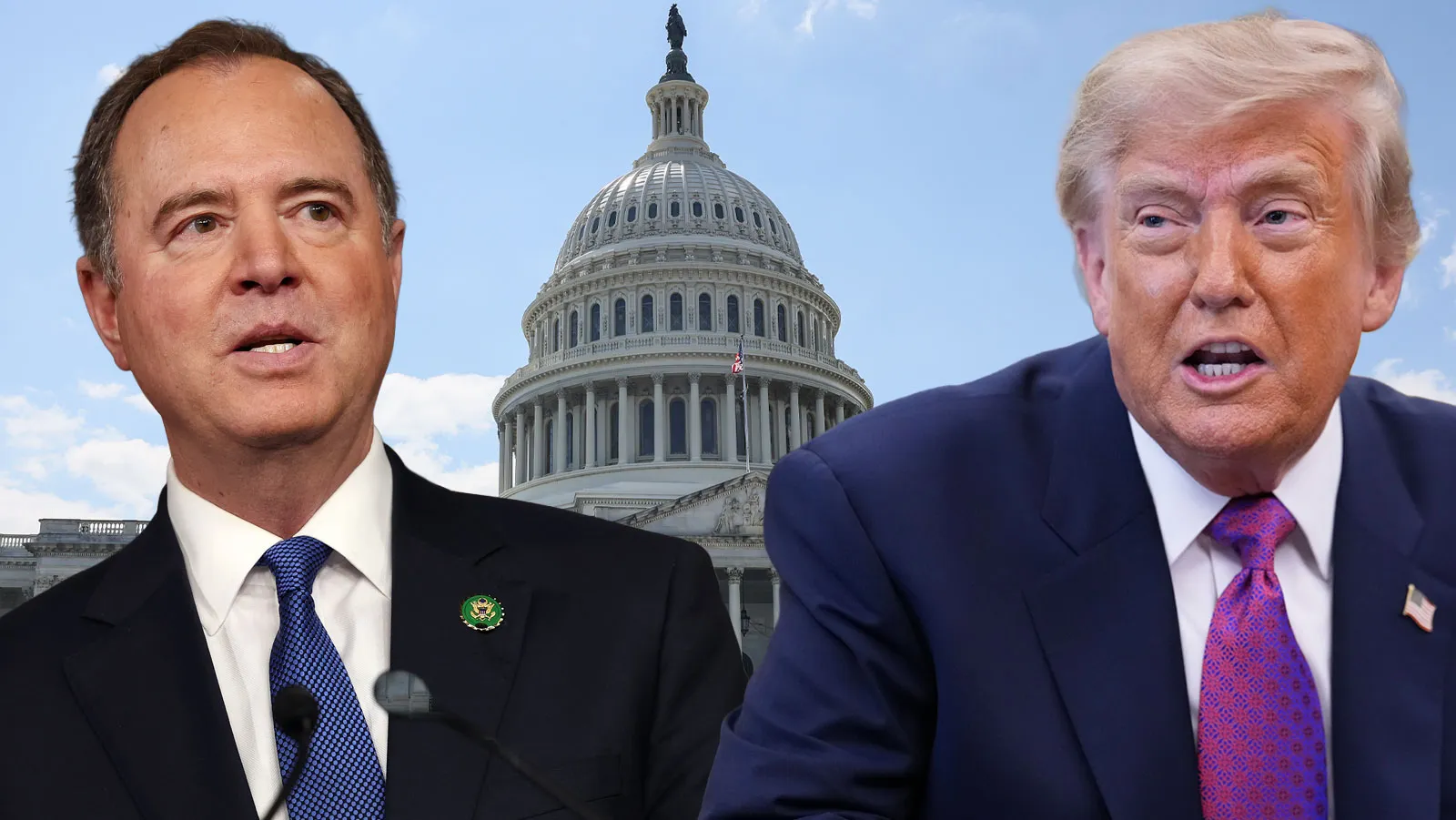
California Senator Adam Schiff has confirmed that negotiations are advancing towards establishing federal film and TV tax incentives, though he cautioned that a final agreement is still not in place. In an exclusive report by Deadline published on September 9, 2026, Schiff stated, "There is bill language, and currently, leaders in the Senate, House, and Trump administration are engaging in conversations to finalize text."
The proposed legislation, initially termed the Motion Picture, Television, and Entertainment Revitalization Act, could provide a 20% tax credit to eligible productions, with a potential increase of 5% to 10% for projects filmed in rural locations or across multiple states.
Schiff's comments highlight a significant bipartisan effort to bring this legislation to fruition, with key figures from both parties working collaboratively. Notable Democratic representatives Linda Sanchez and Laura Friedman are championing the initiative in the House of Representatives. Meanwhile, Republican representatives Nathaniel Moran and Brian Jack are also thought to be involved, although the extent of their engagement remains unclear.
The White House's involvement suggests a commitment from multiple levels of government to incentivize the entertainment industry, a sector profoundly impacted by the pandemic and shifts in production locations. Schiff remarked on the importance of ensuring that all regions of the country benefit from any new incentive program, emphasizing the need to attract productions to underutilized filming locations.
This initiative comes on the heels of a prolonged battle to establish federal support for the entertainment sector, which has historically faced challenges from competing state incentives. California's current $750 million annual program has served as a template for what federal incentives could look like, drawing from its successes under Governor Gavin Newsom’s leadership.
However, significant obstacles remain. The current Republican-controlled Congress is approaching a critical shutdown period before the midterm elections, which might complicate progress on this legislation. Furthermore, any tax credit exceeding $2 million, including the proposed program, would require review by the Joint Committee on Taxation, potentially extending the timeline for implementation.
With substantial job losses within the industry and ongoing consolidation in entertainment, such as the Paramount-Warner Bros. Discovery merger, the successful passage of these incentives could be vital for economic recovery. The potential to revitalize production in states like Texas and Georgia, which have experienced an influx of filming activity in recent years due to competitive state incentives, is also a point of interest.
As noted by a representative familiar with the legislative landscape, the development of this program remains uncertain. The representative stated, "A lot of details are being worked out, what the priorities are."
As negotiations continue, the outcome will have significant implications for the U.S. film and TV industry. The legislative push for federal tax incentives could reshape the competitive landscape, encouraging businesses to keep production stateside. While the bipartisan momentum is encouraging, stakeholders within the industry and the government must navigate procedural hurdles to turn this initiative into a reality.
Entertainment news
EpisodeBreakdown may use automated tools to assist research, drafting, and formatting. Published pages are governed by our editorial and corrections policies, and source links are shown when they are available in the article record.
Discovery source: Deadline. The source identifies where the topic was discovered; EpisodeBreakdown is responsible for the commentary published on this page.
Reader response
Reactions and poll results are based on real reader responses. No account is required.